Background
All-solid-state lithium metal batteries (ASSLMBs) promise significantly higher energy density and improved safety compared to conventional liquid-electrolyte lithium-ion batteries, making them highly anticipated as next-generation power sources for electric vehicles (EVs), aerospace applications, and large-scale energy storage. However, when utilizing lithium metal anodes, major technical hurdles to practical application have included lithium dendrite formation, which can lead to internal short circuits, and high interfacial resistance with the solid electrolyte. The current research directly addresses these challenges through a fundamental approach: optimizing the structure and properties of the electrolyte itself.
Key Findings
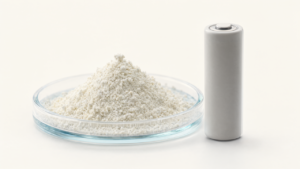
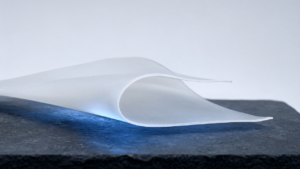
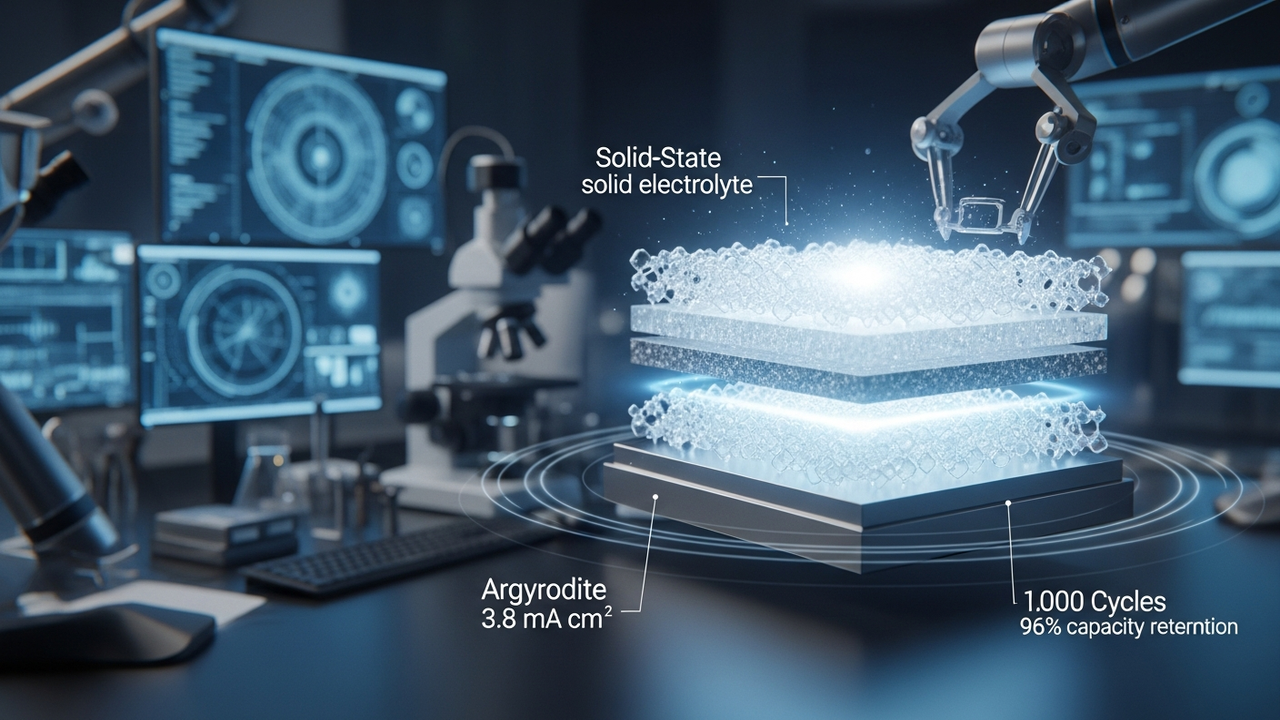
In a significant advancement for ASSLMBs, researchers have successfully developed an ultra-densified argyrodite solid electrolyte, designated BMAN-LPSCB. Fabricated using a unique cold-pressing technique, this electrolyte substantially reduces porosity within the material, forming a robust physical barrier that effectively suppresses lithium dendrite growth—a critical challenge for battery safety and longevity.
This novel solid electrolyte enables ASSLMBs to achieve an exceptionally high critical current density of 3.8 mA cm⁻², a crucial metric for high-power applications. Furthermore, Li/NCM batteries incorporating the BMAN-LPSCB electrolyte demonstrated remarkable durability, maintaining an impressive 96% capacity retention after 1000 charge-discharge cycles at a demanding 1C rate. This performance represents a significant leap forward in realizing long-life ASSLMBs capable of operating at high current densities, surpassing many existing lithium-ion technologies and early solid-state prototypes.
Complementary research also highlights progress in anode development, with an Ag-C composite anode utilizing sulfide electrolytes showing stable lithium plating/stripping. This contributes to improved interfacial stability between the solid electrolyte and anode, addressing another key hurdle. The team further notes advancements in optimizing the mechanical properties of sulfide electrolytes and in Li-S battery research exploring redox-mediated Solid-State Redox Reactions (SSSRR), collectively advancing diverse solid-state battery technologies.
Strategic Significance & Outlook
The groundbreaking performance of ASSLMBs powered by this ultra-densified argyrodite electrolyte holds immense strategic significance. It promises to accelerate the realization of high-energy-density, long-lifespan batteries for electric vehicles (EVs), high-performance portable electronics, and demanding aerospace applications. Crucially, stable operation at high current densities will dramatically enhance fast-charging capabilities for EVs, a pivotal factor in consumer adoption.
Looking ahead, future efforts will concentrate on scaling up this innovative technology, optimizing manufacturing costs, and seamlessly integrating it into practical cell designs. These steps are anticipated to provide a powerful impetus for the widespread commercialization of all-solid-state batteries, transforming the landscape of energy storage.