Key Findings
Ascend Elements’ Apex 1 battery materials recycling plant in Hopkinsville, Kentucky, which had been under construction, was sold to Turner-Kokosing Joint Venture (TKJV) for $31.7 million following a Chapter 11 bankruptcy auction. The construction of this facility was halted in 2024, and Ascend had previously canceled its plans to incorporate cathode active material (CAM) recycling, which led to the termination of a substantial $164 million grant from the U.S. Department of Energy (DOE). This sale highlights the profound financial and operational challenges associated with establishing and scaling large-scale battery recycling infrastructure.
Technical Details
The Apex 1 plant was initially envisioned to play a pivotal role in the battery recycling process. Original plans included recovering valuable metals from spent lithium-ion batteries and directly manufacturing cathode active materials (CAM). The direct production of CAM was a key innovative aspect, aiming to shorten the processing chain, reduce costs, and lower the environmental footprint compared to conventional hydrometallurgical or pyrometallurgical methods.
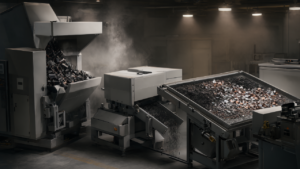
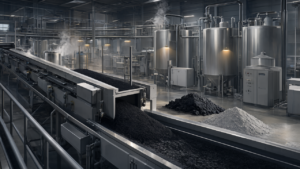
- Recycling Process: Involves the dismantling, shredding, and sorting of lithium-ion batteries to produce black mass (a powder of active materials).
- Direct CAM Manufacturing: The abandoned CAM manufacturing plan aimed to bypass expensive refining processes by producing battery-grade materials directly from recycled content. This ambitious goal was ultimately not pursued.
- Grant Termination: The cessation of the CAM recycling plan directly resulted in the termination of the significant DOE grant, suggesting underlying technical feasibility or market viability challenges.
- Sale Price: The $31.7 million sale price, relatively low for a large-scale facility under construction, reflects the inherent difficulties and risks of the project.
This case study illustrates that even with innovative recycling technologies, unexpected hurdles can impede practical implementation and large-scale deployment.
Background & Industry Context
With the rapid growth of the electric vehicle (EV) market and the expanding integration of renewable energy, battery recycling has become a critical and strategic imperative globally. The U.S. government is actively promoting substantial investments in recycling infrastructure to strengthen the domestic battery supply chain and reduce reliance on foreign sources for critical minerals. Companies like Ascend Elements have been at the forefront of this sector. However, the Apex 1 plant’s experience underscores that technical challenges, capital intensiveness, and market volatility can severely impede the success of large-scale projects.
Strategic Significance & Outlook
The sale of Ascend Elements’ Apex 1 plant suggests that the growth trajectory of the battery recycling industry is not linear, while simultaneously underscoring the ongoing need for market restructuring and technological innovation within the sector. The precise impact of TKJV’s acquisition on future battery recycling efforts remains to be seen, but it is hoped that the facility will be repurposed to contribute to U.S. recycling capacity. This cautionary tale implies that future battery recycling projects will require more robust financial planning, thorough technical risk assessments, and flexible business strategies to succeed.
Get our weekly technology intelligence — free
Receive an infographic that lets you judge at a glance whether each field’s analysis report is worth reading.
Subscribe Free — Weekly Tech Intelligence
By subscribing, you’ll receive Troy-Technical’s weekly technology intelligence newsletter.
- Your email and selected fields are used only to deliver the newsletter.
- We never share your information with third parties.
- You can unsubscribe anytime via the link in each email.
See our Privacy Policy for details.
Takes about a minute · Unsubscribe anytime