Key Findings
While M&A activity in the biotechnology and life sciences sectors has accelerated in 2026, experts are highlighting a persistent challenge: the inherent manufacturing complexity and high costs associated with cell and gene therapies continue to constrain their commercial scalability. This represents a significant bottleneck for the industry, impeding the broad dissemination of groundbreaking treatments to patients globally.
Technical / Clinical Details
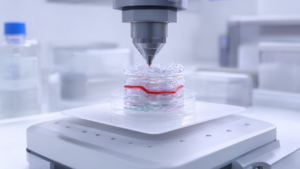
- Manufacturing Complexity: Cell and gene therapies necessitate stringent Good Manufacturing Practice (GMP) standards. Processes involve handling live cells, viral vectors, and highly sensitive biological materials, making quality control, logistics, and process execution exceptionally intricate. This contrasts sharply with the production of traditional small-molecule drugs or even monoclonal antibodies.
- High Costs: The bespoke nature of many cell therapies (e.g., autologous CAR-T, requiring patient-specific manufacturing) combined with the complexity of sterile processing and specialized personnel drives exorbitant production costs. These expenses translate to high treatment prices, posing significant challenges for patient access and healthcare system sustainability.
- Scalability Constraints: Current manufacturing technologies and infrastructure struggle to meet the escalating demand for these therapies. The inability to rapidly scale up production to commercial levels prevents widespread adoption and limits the number of patients who can benefit.
Background & Context
The biotechnology industry has achieved remarkable scientific breakthroughs, particularly in cell and gene therapy, demonstrating unprecedented efficacy in certain diseases. However, translating these scientific successes into commercial viability requires more than just discovery; it demands efficient, cost-effective manufacturing processes and robust global supply chains. M&A is increasingly seen as a crucial strategy not only for pipeline acquisition but also for integrating manufacturing expertise and infrastructure, thereby tackling these commercialization hurdles. For smaller, capital-constrained biotechs with innovative assets, merging with larger pharmaceutical companies often provides the necessary resources to navigate the complex path to market.
Strategic Significance & Outlook
Experts anticipate continued high demand for M&A involving differentiated science, especially in advanced modalities like cell and gene therapy. However, successful M&A transactions will increasingly require sophisticated deal structures that account for, and proactively address, the fundamental manufacturing and cost challenges. This approach is necessary to bridge the valuation gaps often observed between buyers and sellers, maximizing long-term value creation. The industry must prioritize investment in manufacturing technologies and foster collaborations to overcome these operational barriers, ultimately enabling broader patient access to these transformative therapies.
Source: https://www.financierworldwide.com/qa-biotech-and-life-sciences-ma-in-2026
Get our weekly technology intelligence — free
Receive an infographic that lets you judge at a glance whether each field’s analysis report is worth reading.
Subscribe Free — Weekly Tech Intelligence
By subscribing, you’ll receive Troy-Technical’s weekly technology intelligence newsletter.
- Your email and selected fields are used only to deliver the newsletter.
- We never share your information with third parties.
- You can unsubscribe anytime via the link in each email.
See our Privacy Policy for details.
Takes about a minute · Unsubscribe anytime