Key Findings
BlueAlp and LBC Tank Terminals have successfully secured a €1.5 million grant from the European Union’s Just Transition Fund to finance the front-end engineering design (FEED) phase of a significant chemical recycling plant slated for the Rotterdam region in the Netherlands. This substantial investment is poised to accelerate the detailed evaluation required for commercializing BlueAlp’s pyrolysis technology, which transforms plastic waste into high-quality recycled oil.
Technical / Clinical Details
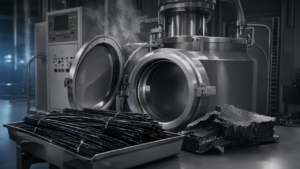
The proposed chemical recycling facility will leverage BlueAlp’s proprietary pyrolysis technology to convert mixed plastic waste into pyrolysis oil, a valuable circular feedstock for the petrochemical industry. The FEED study will comprehensively address several critical aspects: validating technical feasibility, developing detailed engineering designs, planning logistics for feedstock and products, assessing site implementation and integration with LBC Tank Terminals’ existing infrastructure, securing necessary environmental permits, and formulating a robust financial strategy for the entire project. This meticulous preparatory work is designed to minimize risks and ensure efficient deployment of the plant for large-scale commercial operation.
Background & Context
Chemical recycling stands as a pivotal solution within the EU’s circular economy agenda, particularly for plastic waste streams that are challenging to process via mechanical recycling. It offers an innovative pathway to recover high-value raw materials from diverse, mixed plastic waste. However, establishing large-scale chemical recycling plants demands substantial capital investment and navigating complex technical and regulatory hurdles. The EU’s Just Transition Fund specifically aims to support regions undergoing economic transformation towards climate neutrality, promoting sustainable industrial development and innovation. Rotterdam, as Europe’s largest port and a major chemical industry hub, presents an ideal location for such a facility due to its advantageous logistics and robust industrial infrastructure.
Strategic Significance & Outlook
The successful completion of the FEED study is a critical prerequisite for BlueAlp and LBC Tank Terminals to make a final investment decision (FID). This grant propels the project into its next phase, contributing significantly to the expansion of advanced plastics recycling capacity in Europe, akin to other major initiatives like SynPet Technologies’ Antwerp facility targeting an operational start in late 2028. A successful outcome will enable the plant to process tens of thousands of tons of plastic waste annually, reducing reliance on virgin feedstocks and enhancing the sustainability of the entire plastic value chain. This represents a tangible step towards achieving Europe’s ambitious climate and circular economy objectives.
Get our weekly technology intelligence — free
Receive an infographic that lets you judge at a glance whether each field’s analysis report is worth reading.
Subscribe Free — Weekly Tech Intelligence
By subscribing, you’ll receive Troy-Technical’s weekly technology intelligence newsletter.
- Your email and selected fields are used only to deliver the newsletter.
- We never share your information with third parties.
- You can unsubscribe anytime via the link in each email.
See our Privacy Policy for details.
Takes about a minute · Unsubscribe anytime