Key Finding: Data Integrity and ALCOA+ Compliance are Critical for Success in Bioprocessing
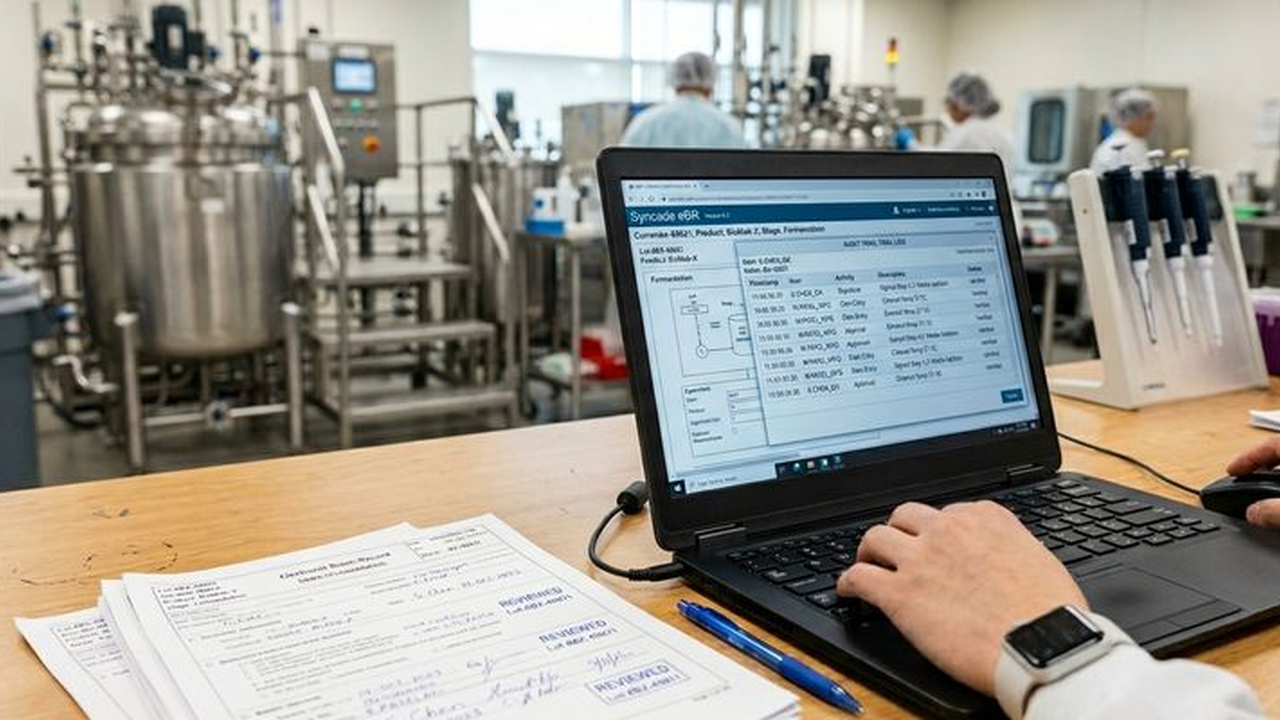
An article published for bioprocessing lab managers underscores the paramount importance of data integrity and adherence to the ALCOA+ principles (Attributable, Legible, Contemporaneous, Original, Accurate, Complete, Consistent, Enduring, Available) in pharmaceutical development and manufacturing. Modern bioprocessing operations generate thousands of data points daily from diverse digital systems, including bioreactor control systems, chromatography data systems (CDS), and environmental monitoring platforms. Maintaining and managing this vast amount of data in accordance with ALCOA+ principles presents a significant challenge, yet it is crucial for meeting regulatory requirements and ensuring product quality and patient safety.
Technical & Clinical Details: Regulatory Requirements and Data Management Best Practices
- Application of ALCOA+ Principles: ALCOA+ extends the foundational ALCOA principles—Attributable, Legible, Contemporaneous, Original, Accurate—to include Complete, Consistent, Enduring, and Available. These principles provide a framework for ensuring the trustworthiness and completeness of data throughout its entire lifecycle.
- Addressing Regulatory Requirements: The FDA’s (U.S. Food and Drug Administration) 21 CFR Part 11 (Electronic Records and Electronic Signatures) and EMA’s (European Medicines Agency) Annex 11 (Computerized Systems) are key regulatory requirements for data integrity in the pharmaceutical industry. These regulations establish technical and organizational requirements to ensure that electronic records possess the same reliability, accuracy, and authenticity as paper records.
- Data Management Challenges: Collecting, integrating, and analyzing data from multiple vendor systems (e.g., LIMS, ELN, MES) poses challenges such as data siloing, format inconsistencies, and managing disparate access permissions. Manual data transcription and inadequate data backups significantly increase the risk of data integrity breaches.
- Role of Digital Solutions: Modern digital solutions, including Laboratory Information Management Systems (LIMS), Electronic Lab Notebooks (ELN), and Manufacturing Execution Systems (MES), facilitate ALCOA+ compliance by offering automated data collection, audit trail functionalities, electronic signatures, and robust security features. These are indispensable for streamlining data flow and enhancing data integrity.
Background & Industry Context: Importance of Patient Safety and Trust
Data integrity forms the bedrock for assuring the safety, efficacy, and quality of pharmaceutical products. Unreliable data not only poses direct risks to patient health but can also lead to regulatory warning letters, product recalls, and severe damage to a company’s reputation. Especially in complex biopharmaceutical manufacturing, maintaining data integrity is even more critical due to the sheer volume of data and the intricacy of the processes involved.
Future Outlook: Evolution Towards Pharma 4.0 and Data-Driven Manufacturing
Ensuring data integrity and ALCOA+ compliance is foundational for the biopharmaceutical industry to realize the vision of Pharma 4.0—digitized, interconnected, and smart manufacturing systems. Automated data collection, AI/ML-powered analytics, and data protection through blockchain technology will play crucial roles in future data integrity strategies. This evolution will enhance process transparency, facilitate real-time decision-making, and ultimately enable the faster delivery of high-quality medicines to patients.
Source: https://www.labmanager.com/data-integrity-and-alcoa-compliance-for-bioprocessing-lab-managers-35461
Get our weekly technology intelligence — free
Receive an infographic that lets you judge at a glance whether each field’s analysis report is worth reading.
Subscribe Free — Weekly Tech Intelligence
By subscribing, you’ll receive Troy-Technical’s weekly technology intelligence newsletter.
- Your email and selected fields are used only to deliver the newsletter.
- We never share your information with third parties.
- You can unsubscribe anytime via the link in each email.
See our Privacy Policy for details.
Takes about a minute · Unsubscribe anytime