Key Findings
Europe and the G7 nations are increasingly recognizing battery recycling, e-waste, and scrap metals as strategic resources crucial for drastically reducing their import dependency on critical raw materials. Underpinning this shift, the EU’s Critical Raw Materials Act sets a target to meet 25% of its annual demand for strategic raw materials through recycling by 2030, a goal deemed achievable given current waste streams. This strategic reorientation is paramount for fortifying supply chains and enhancing economic security within a volatile global market.
Technical & Policy Details
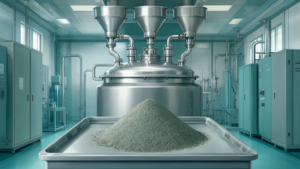
The EU Battery Regulation, enacted in July 2023, imposes stringent minimum recycled content requirements for new EV batteries, specifically targeting 16% for cobalt, 6% for lithium, and 6% for nickel by 2030. This landmark regulation is a cornerstone in establishing a sustainable battery value chain. Concurrently, substantial investment and policy support are channeling into the development of black mass processing technologies—referring to the pre-processed powder derived from spent batteries. These advanced processes are achieving impressive metal recovery rates; for example, Mercedes-Benz reports a 96% recovery, while CATL’s subsidiary Brunp handles 270,000 tons of waste batteries annually with over 99% recovery for nickel, cobalt, and manganese.
- EU Critical Raw Materials Act: Establishes a strategic objective to source 25% of annual strategic raw material demand through recycling by 2030.
- EU Battery Regulation: Mandates minimum recycled content in new EV batteries, requiring 16% cobalt, 6% lithium, and 6% nickel by 2030.
- G7 “60% Rule”: Commits to securing at least 20% of annual critical mineral consumption from recycling by 2035, actively promoting “urban mining” initiatives.
- Technological Advances: Focused investment in black mass processing and enhancements in hydrometallurgical techniques are projected to elevate lithium recovery rates to 75-80% by 2035.
Background & Industry Context
The consistent supply of critical raw materials is indispensable for the widespread adoption of EV and renewable energy technologies. However, their concentrated geographic distribution presents significant geopolitical risks and contributes to price volatility. Europe’s strategic designation of battery recycling as a “hidden mine” signifies a crucial pivot to mitigate these vulnerabilities and enhance regional supply stability. In response to these evolving regulatory landscapes and the imperative to secure their own supply chains, major automotive manufacturers (e.g., Mercedes-Benz) and mining companies (e.g., Rio Tinto, Glencore) are accelerating investments in dedicated battery recycling facilities. McKinsey’s projections indicate the battery recycling market will generate an annual value of $95 billion by 2040, underscoring its profound economic implications.
Strategic Significance & Outlook
These robust regulations, coupled with substantial investments, are poised to significantly accelerate the growth of the battery recycling industry, fostering the emergence of new business models and driving technological innovations. While formidable challenges persist, including inconsistent feedstock quality, fragmented collection systems, and rapidly evolving battery chemistries, sustained policy support and synergistic industry collaboration are anticipated to overcome these hurdles. Europe is strategically positioned to establish global leadership in battery recycling, offering a scalable and sustainable resource management model—rooted in circular economy principles—to other regions. This proactive approach will ultimately enhance resilience across global supply chains and ensure a stable supply of critical materials for next-generation energy storage technologies.
Get our weekly technology intelligence — free
Receive an infographic that lets you judge at a glance whether each field’s analysis report is worth reading.
Subscribe Free — Weekly Tech Intelligence
By subscribing, you’ll receive Troy-Technical’s weekly technology intelligence newsletter.
- Your email and selected fields are used only to deliver the newsletter.
- We never share your information with third parties.
- You can unsubscribe anytime via the link in each email.
See our Privacy Policy for details.
Takes about a minute · Unsubscribe anytime