Key Findings
In a significant breakthrough addressing the escalating global threat of antibiotic resistance, scientists have developed an innovative antimicrobial strategy leveraging graphene quantum dots (GQDs). This new technology successfully eradicated over 99.9% of common multi-drug resistant bacteria, specifically Staphylococcus aureus and Escherichia coli, when exposed to low-intensity blue light. This discovery paves the way for the development of cost-effective and highly accessible new antimicrobial therapies.
Technical / Clinical Details
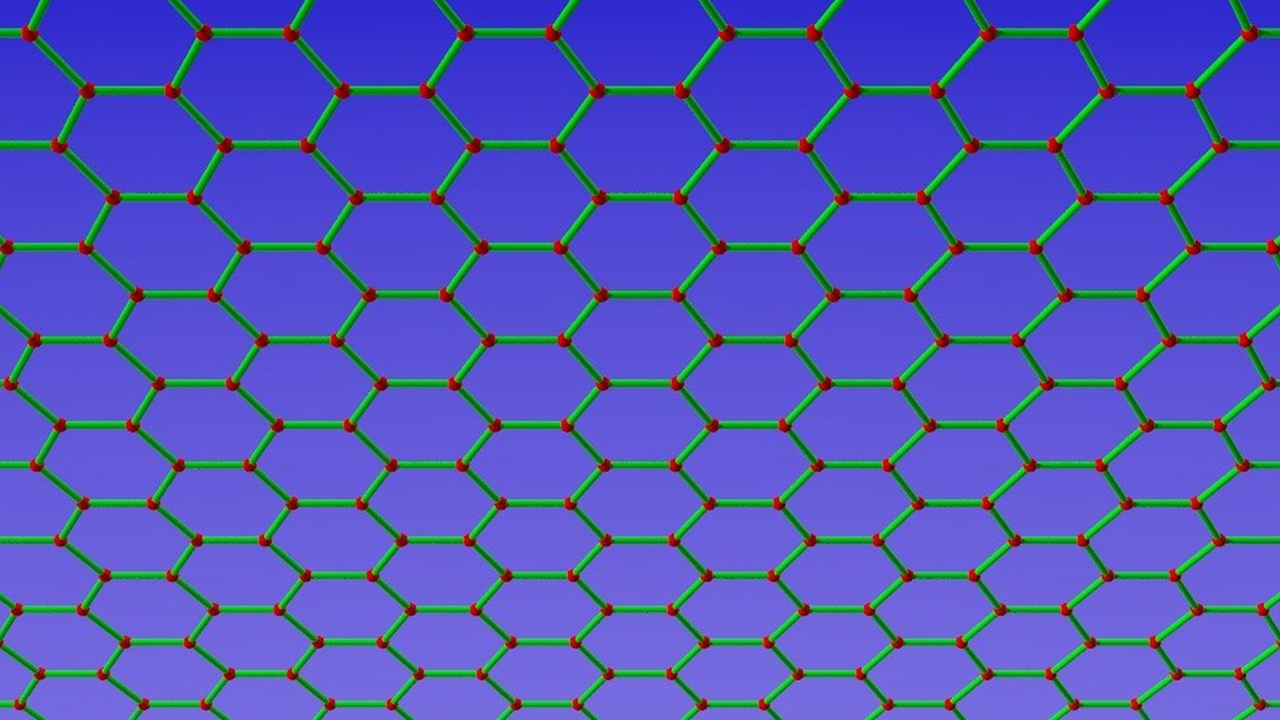
- Mechanism of Graphene Quantum Dots: Graphene quantum dots are minute fragments of graphene, typically tens of nanometers in size, possessing unique optical and electrical properties. The research team exploited the ability of GQDs to absorb low-intensity blue light (part of the visible light spectrum) and subsequently generate reactive oxygen species (ROS). These ROS damage bacterial cell membranes, DNA, and proteins, thereby disrupting cellular functions and leading to bacterial death. This mechanism is akin to photodynamic therapy (PDT) but offers a distinct mode of action from conventional antibiotics, making it effective against multi-drug resistant strains.
- Demonstrated Potent Bactericidal Effect: Experiments showed that the combination of GQDs and low-intensity blue light achieved over 99.9% bactericidal efficiency against both multi-drug resistant S. aureus (including Methicillin-resistant Staphylococcus aureus, MRSA) and E. coli. This high efficacy presents a promising solution for infections that are no longer responsive to traditional antibiotics. Furthermore, the use of low-intensity blue light suggests a potentially low risk of adverse effects on human tissues, enhancing its clinical viability.
Background & Context
The overuse and misuse of antibiotics have led to the global emergence of multi-drug resistant bacteria, or “superbugs,” creating a critical public health crisis. Developing new antibiotics is an arduous process, demanding extensive time and prohibitive costs for approval. In this context, there is an urgent need for novel antimicrobial strategies that do not rely on traditional antibiotics. Nanotechnology, particularly graphene-based materials, has garnered significant attention as a potential frontier to address these challenges due to its unique properties. Photo-activatable nanomaterials, in particular, hold promise for enhanced target specificity and reduced side effects.
Strategic Significance & Outlook
This new antimicrobial strategy, employing graphene quantum dots and blue light, holds the potential to revolutionize the treatment of infectious diseases. It is particularly promising for applications against wound infections, medical device-associated infections, and chronic infections caused by multi-drug resistant strains. Future research, including further in vivo and clinical trials, will be crucial to confirm its safety and efficacy in humans. If successful, this technology could offer a cost-effective and widely accessible therapeutic option for a broad range of clinical settings. This advancement represents a vital step towards providing a sustainable and innovative solution to one of modern medicine’s most formidable challenges: antibiotic resistance.
Source: https://www.advancedsciencenews.com/graphene-quantum-dots-kill-bacteria-with-light/
Get our weekly technology intelligence — free
Receive an infographic that lets you judge at a glance whether each field’s analysis report is worth reading.
Subscribe Free — Weekly Tech Intelligence
By subscribing, you’ll receive Troy-Technical’s weekly technology intelligence newsletter.
- Your email and selected fields are used only to deliver the newsletter.
- We never share your information with third parties.
- You can unsubscribe anytime via the link in each email.
See our Privacy Policy for details.
Takes about a minute · Unsubscribe anytime