Background
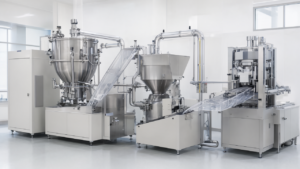
CRISPR gene editing holds revolutionary potential across diverse fields, including the treatment of inherited diseases, cancer immunotherapy, and agricultural biotechnology. However, a significant hurdle to its widespread application has been the high-quality, large-scale, and cost-effective manufacturing of sgRNA. Efficient sgRNA synthesis is crucial for the precise targeting of DNA by systems like CRISPR-Cas9, and its quality and supply capacity directly influence the progression of clinical trials and eventual product commercialization. Advanced manufacturing technologies such as chemoenzymatic ligation, offered by companies like Hongene Biotech, are critical in overcoming these technical barriers and accelerating the industrialization of CRISPR technology globally. This addresses a critical need in the rapidly expanding gene therapy landscape, enabling more robust and reliable production pipelines.
Key Findings
Chemoenzymatic ligation is proving to be a highly practical solution for addressing the scalability challenges in CRISPR-based gene editing, specifically for the large-scale manufacturing of single-guide RNA (sgRNA). This innovative hybrid approach merges chemical synthesis and enzymatic processes to dramatically improve both the yield and cost-efficiency of producing long oligonucleotide sequences.
- Chemoenzymatic ligation integrates the precision of chemical oligonucleotide synthesis with the efficient joining capabilities of enzymatic reactions.
- This method is particularly effective for producing long sgRNA sequences, often exceeding 100 nucleotides, achieving higher yields and purity compared to conventional purely chemical synthesis methods.
- By resolving the production bottlenecks for sgRNAs used in CRISPR-Cas systems, the technology ensures consistent scalability from research and development through clinical applications and ultimately to commercial production.
- Vertically integrated CDMO partners can leverage this approach to streamline the transition from early-stage development to commercial scale, ensuring a stable supply of high-quality sgRNA, thereby accelerating the overall gene therapy development process.
- Improvements in cost-efficiency directly translate to reduced manufacturing costs for gene therapies, contributing to broader access to these transformative treatments in the future.
The broader adoption of chemoenzymatic ligation technology is expected to significantly accelerate the development and commercialization of CRISPR-based gene therapies. The enhanced manufacturing efficiency and reduced costs will improve the accessibility of gene therapies, allowing more patients to benefit from these groundbreaking treatments. In the future, this technology has the potential to be applied to non-viral gene delivery systems and other nucleic acid-based therapeutics, boosting the overall production capacity and innovation within the biotechnology industry. Particularly in stringent GMP manufacturing environments where quality control is paramount, a stable and cost-effective supply capacity provides a decisive competitive advantage for CDMOs, positioning them as key enablers of the next generation of medicines.
Get our weekly technology intelligence — free
Receive an infographic that lets you judge at a glance whether each field’s analysis report is worth reading.
Subscribe Free — Weekly Tech Intelligence
By subscribing, you’ll receive Troy-Technical’s weekly technology intelligence newsletter.
- Your email and selected fields are used only to deliver the newsletter.
- We never share your information with third parties.
- You can unsubscribe anytime via the link in each email.
See our Privacy Policy for details.
Takes about a minute · Unsubscribe anytime