Key Findings
While hydrogen is recognized as an indispensable element for achieving a clean energy transition, its practical deployment critically depends on the establishment of efficient storage and distribution infrastructure. The integration of production with storage and compression facilities in new infrastructure projects is paramount to minimizing transportation costs and accelerating the widespread adoption of a hydrogen economy.
Technical & Infrastructure Details
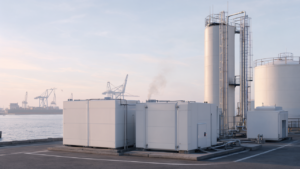
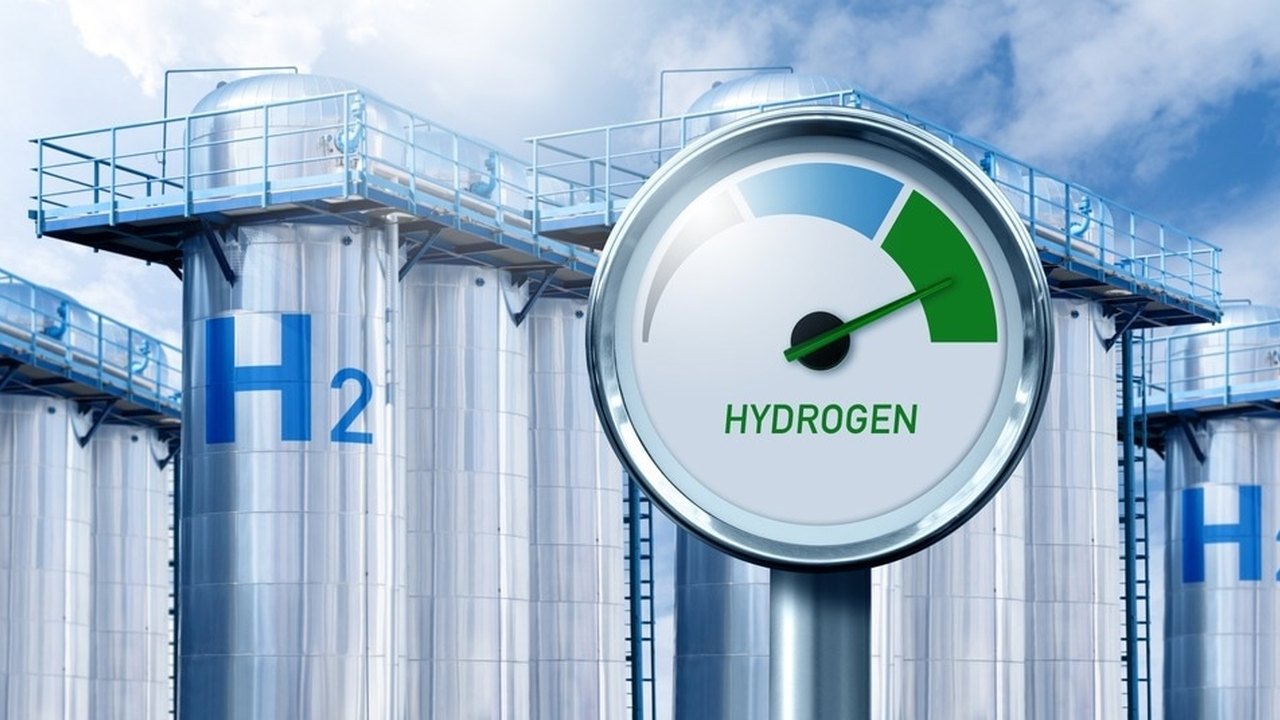
Hydrogen’s inherent physical properties, particularly its low volumetric energy density, present unique challenges for storage and transport. Consequently, infrastructure development often co-locates storage and compression facilities near production sites. This strategy optimizes the preprocessing of hydrogen for efficient transport, whether as a high-pressure gas or in liquid form. Centralized hub models are designed around large-scale green hydrogen production plants, utilizing existing or new pipeline networks to supply nearby industrial clusters and more distant consumption centers. For instance, in regions rich with renewable energy, electrolyzers can produce hydrogen which is then transported through dedicated hydrogen pipelines or converted into hydrogen carriers like ammonia or methanol for long-distance shipping. While high-pressure tank storage and liquid hydrogen storage address short to medium-term demands, long-term solutions are increasingly focusing on underground storage in salt caverns or depleted gas fields, which offer significant potential for large-scale seasonal energy balancing.
Background & Context
Governments worldwide are advancing hydrogen strategies to combat climate change and enhance energy security. This includes not only expanding green hydrogen production capacity but also building resilient supply chains to deliver hydrogen to end-users. However, current hydrogen infrastructure is largely geared towards fossil fuel-derived hydrogen, primarily used as industrial gas, and is insufficient to support large-scale clean hydrogen production and widespread adoption. Bridging this gap requires concerted efforts from government policy support, substantial private sector investment, and continuous technological innovation in storage, transport, and distribution. Notably, in Europe, North America, and parts of Asia, plans are underway to repurpose existing natural gas pipelines for hydrogen transport, showcasing a practical approach to infrastructure transition.
Strategic Significance & Outlook
The development of efficient hydrogen storage and infrastructure is vital for establishing hydrogen as a cost-competitive clean energy source, thereby accelerating the decarbonization of industrial, transport, and power sectors. The synergy between centralized hubs and pipeline networks promises to achieve economies of scale and significantly reduce hydrogen distribution costs. Future advancements will include further technological development and commercialization of diverse transport methods, such as liquid hydrogen carriers and hydrogen-fueled trucks, enhancing the flexibility and efficiency of the hydrogen supply chain. Standardization of these infrastructure technologies and international cooperation are also essential for realizing global hydrogen trade and firmly establishing hydrogen’s role in the global energy transition.
Source: https://www.azocleantech.com/article.aspx?ArticleID=2150
Get our weekly technology intelligence — free
Receive an infographic that lets you judge at a glance whether each field’s analysis report is worth reading.
Subscribe Free — Weekly Tech Intelligence
By subscribing, you’ll receive Troy-Technical’s weekly technology intelligence newsletter.
- Your email and selected fields are used only to deliver the newsletter.
- We never share your information with third parties.
- You can unsubscribe anytime via the link in each email.
See our Privacy Policy for details.
Takes about a minute · Unsubscribe anytime