Key Findings
In his article ‘Built-In Confidence,’ featured in the June issue of EE Times, Morten Block of Infineon underscored the paramount role of embedded memory in establishing the foundation of reliability for modern system designs. Block argued that advancements in materials science and technology are indispensable for ensuring the overall performance and long-term stability of products, especially within advanced semiconductor architectures. This discourse deepens the understanding that functional materials are not merely components but strategic elements dictating the total reliability and efficiency of an entire system.
Technical Details
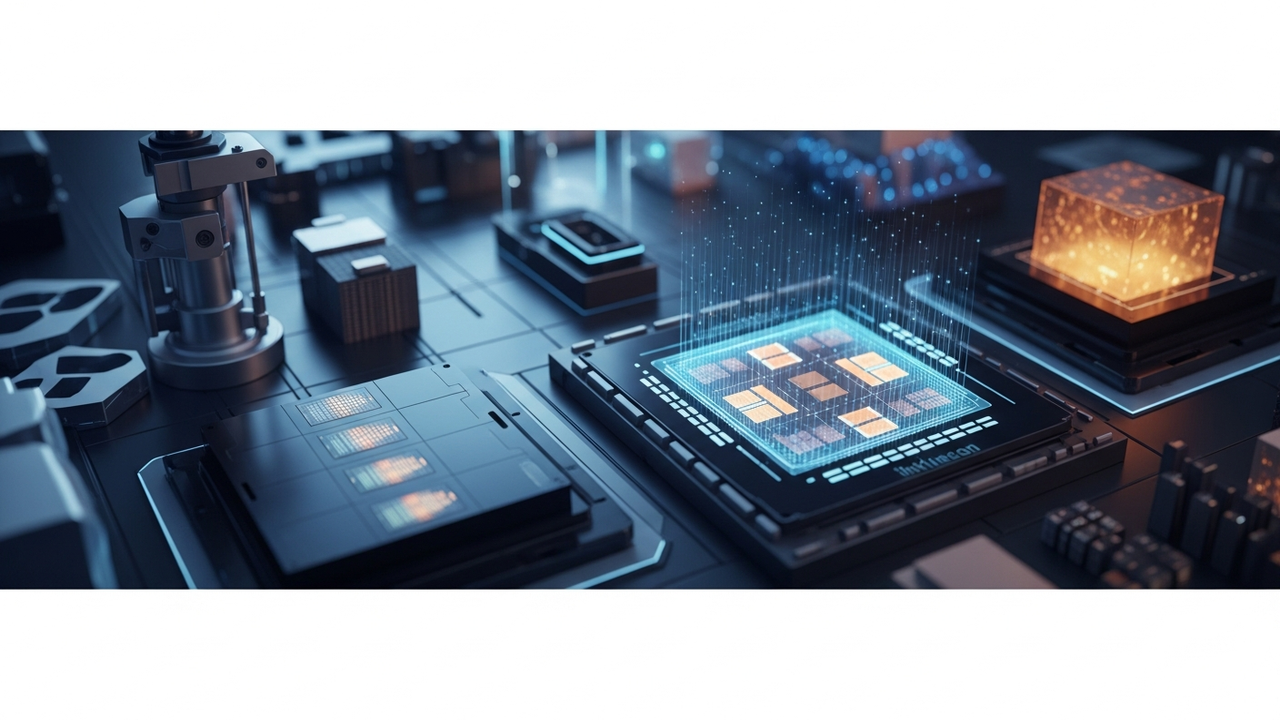
Embedded memory technology plays a central role not only in data storage but also in system boot-up, firmware execution, and securing critical functionalities. Particularly for mission-critical applications such as automotive autonomous driving systems and industrial IoT devices, memory demands high speed, low power consumption, and above all, exceptional reliability and durability. Block states that to meet these rigorous requirements, the adoption of novel memory materials, such as next-generation non-volatile memories like Resistive Random-Access Memory (RRAM) and Phase-Change Memory (PCM), is crucial. These materials offer properties surpassing conventional flash memory, including superior data retention in high-temperature environments and resistance to immense write-cycle demands. As semiconductor manufacturing processes push towards further miniaturization, the selection and optimization of materials become key to enhancing both design flexibility and reliability in terms of device physical characteristics and electrical performance.
Background & Context
The semiconductor industry faces two major challenges: improving data processing capabilities and reducing power consumption. With the proliferation of edge AI and high-performance computing, on-device data processing has surged, elevating the importance of embedded memory. Furthermore, the increasing stringency of functional safety standards in the automotive industry (e.g., ISO 26262) mandates the highest levels of reliability for all components, including memory. Leading semiconductor manufacturers like Infineon are actively investing in materials science R&D to meet these requirements. Block’s contribution not only showcases product advantages but also offers deep insights into industry-wide technological trends and challenges, suggesting that embedded memory and its associated material technologies are core competencies that will define competitiveness in the future semiconductor industry.
Strategic Significance & Outlook
The evolution of embedded memory will profoundly influence the design of future electronic systems. Safer, faster, and more energy-efficient devices will be made possible through the introduction of new functional materials. This is expected to accelerate innovation across a wide range of applications, including AI accelerators, next-generation automotive systems, smart factories, and advanced wearable devices. By continuing to invest in material technologies, companies like Infineon will provide products with higher reliability and performance, further driving digital transformation. The theme of ‘Built-In Confidence’ raised by Block underscores the importance of trust in technology’s societal impact, making the convergence of materials science and semiconductor technology a highly scrutinized and critical area moving forward. This convergence will enable advanced capabilities and ensure the robustness required for complex, interconnected systems in an increasingly digital world, solidifying market leadership for those who innovate effectively in this domain.
Source: https://www.eetimes.com/
Get our weekly technology intelligence — free
Receive an infographic that lets you judge at a glance whether each field’s analysis report is worth reading.
Subscribe Free — Weekly Tech Intelligence
By subscribing, you’ll receive Troy-Technical’s weekly technology intelligence newsletter.
- Your email and selected fields are used only to deliver the newsletter.
- We never share your information with third parties.
- You can unsubscribe anytime via the link in each email.
See our Privacy Policy for details.
Takes about a minute · Unsubscribe anytime