Key Findings
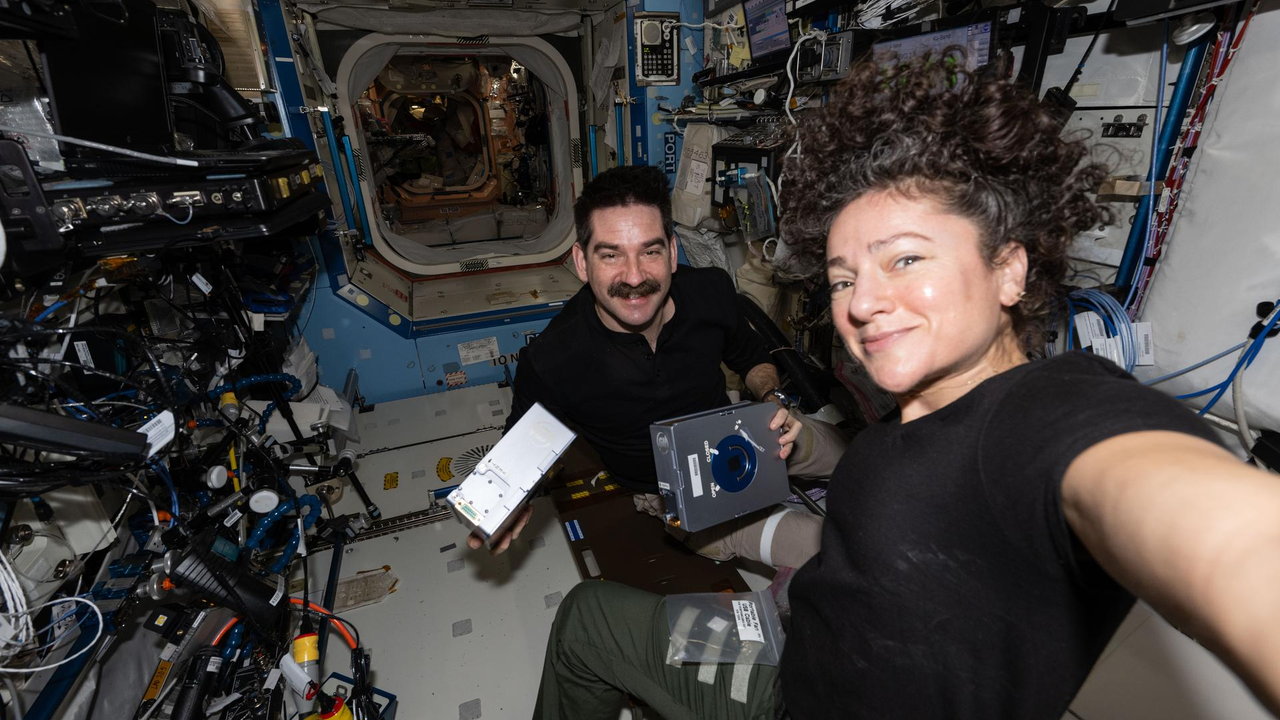
On June 11, 2026, the International Space Station (ISS) was a hub of intense research activity centered on microbiology and pharmaceutical crystal growth. These pivotal studies aim to understand the unique effects of microgravity on biological processes and materials science, with the dual objective of supporting human survival in future deep-space missions and facilitating the development of novel pharmaceuticals on Earth. Particular emphasis is placed on the advantages microgravity offers for drug crystallization processes.
Technical / Clinical Details
In pharmaceutical crystal growth research, astronauts are monitoring the crystallization process of specific drug molecules to assess how microgravity influences their structure, purity, and size. On Earth, gravity and convection often lead to crystal defects and non-uniformity; however, in microgravity, there is potential to form larger, more perfect crystals. This could lead to improved solubility, stability, and bioavailability of pharmaceuticals, ultimately resulting in more effective therapeutic agents. The microbiology studies involve a detailed comparison of various bacterial samples cultured in orbit with those grown in ground-based simulated microgravity chambers. This comparison aims to identify changes in microbial growth rates, gene expression, and antibiotic resistance in space, which is critical for assessing astronaut health risks during long-duration spaceflight and for developing microbial control strategies in confined environments.
Background & Context
Microgravity research provides unique insights unattainable through terrestrial science. In pharmaceutical development, there is a continuous demand for discovering new drugs and improving existing ones, and microgravity offers a new frontier for novel formulation development. Higher purity and more stable drug crystals have the potential to increase success rates in clinical trials and improve patient outcomes. Furthermore, microbiology research is essential for understanding microbial dynamics in confined environments like the ISS. The impact on astronaut immune systems and patterns of bacterial colonization and spread on environmental surfaces directly influence health management and life support system design for human missions to the Moon and Mars.
Strategic Significance & Outlook
These ongoing studies on the ISS are not only poised to bring innovation to the terrestrial pharmaceutical industry but are also crucial for enhancing the sustainability of deep-space exploration. The research into pharmaceutical crystal growth could eventually lead to commercial in-space drug manufacturing, potentially enabling the supply of specific drugs difficult to produce on Earth. Microbiology research provides fundamental data to ensure astronaut health and safety during long-duration missions and offers critical insights for designing habitable environments on the Moon and Mars. These advancements are expected to strengthen the technological and medical foundations for human life beyond Earth, contributing significantly to the growth of the space economy.
Get our weekly technology intelligence — free
Receive an infographic that lets you judge at a glance whether each field’s analysis report is worth reading.
Subscribe Free — Weekly Tech Intelligence
By subscribing, you’ll receive Troy-Technical’s weekly technology intelligence newsletter.
- Your email and selected fields are used only to deliver the newsletter.
- We never share your information with third parties.
- You can unsubscribe anytime via the link in each email.
See our Privacy Policy for details.
Takes about a minute · Unsubscribe anytime