Key Findings
According to an analysis by BOSA Energy, 2026 marks the beginning of a new phase for Lithium Iron Phosphate (LFP) battery costs, where factors such as cost management, supply chain stability, and the quality of partnerships will become even more critical than raw material prices alone. This shift suggests that the LFP battery market is transitioning from a straightforward cost-of-materials competition to a more complex landscape driven by comprehensive supply chain optimization and strategic alliances.
Technical Details
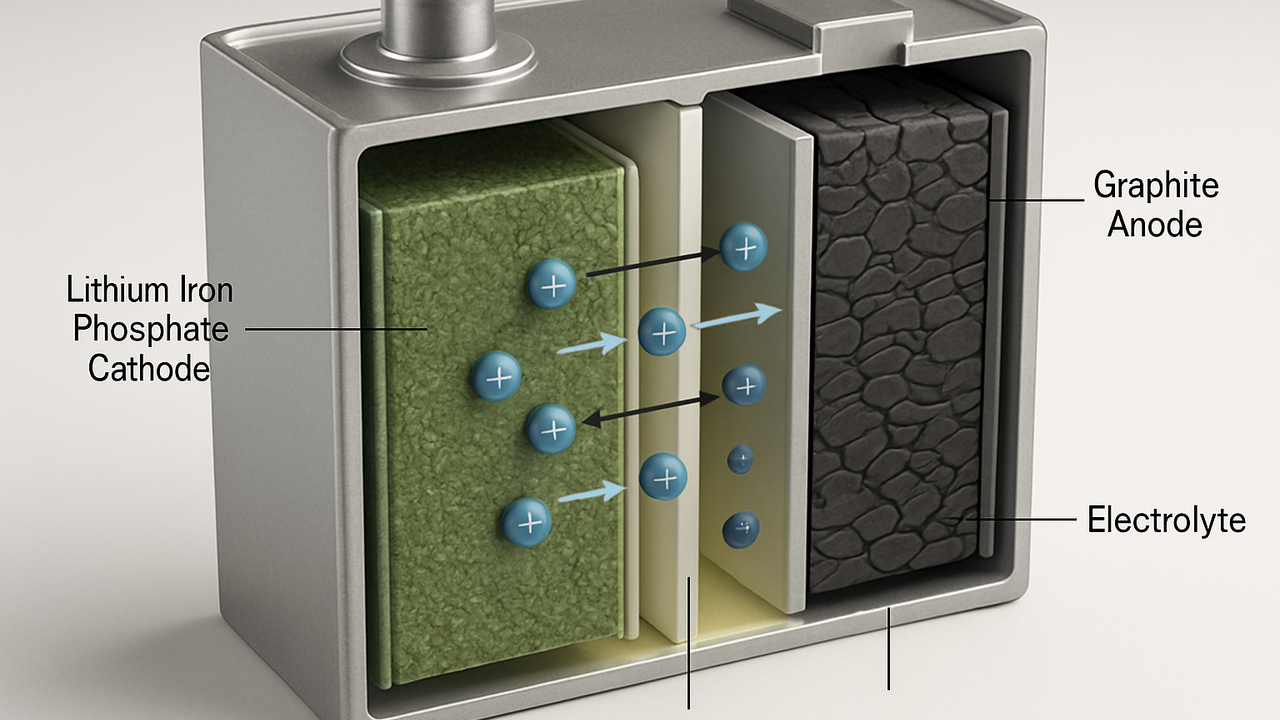
LFP batteries have rapidly gained popularity in electric vehicles (EVs) and stationary energy storage systems (ESS) due to their high safety, long cycle life, and relatively lower cost. However, from 2026 onwards, a diverse range of factors is projected to influence costs, including increased demand for key raw material lithium iron phosphate (LiFePO₄), supply chain constraints, energy costs for manufacturing processes, and logistics expenses. Specifically, global raw material market instability and the concentration of production in certain regions contribute to heightened supply risks. Consequently, manufacturers will be required to not only source materials cost-effectively but also to manage costs through robust relationships with multiple suppliers, long-term supply agreements, and continuous optimization of production processes.
Background & Context
Over the past few years, LFP batteries have established a cost advantage over nickel- and cobalt-based lithium-ion batteries. However, the global surge in EV demand and the expanding adoption of LFP batteries in the energy storage market have led to a significant increase in demand for LFP raw materials. This has intensified price pressure on raw materials and exacerbated competition across the entire supply chain. Furthermore, geopolitical risks and changes in trade policies are also impacting supply chain stability. Against this backdrop, battery manufacturers must adopt strategic approaches that prioritize not only cost efficiency but also the stability and reliability of supply.
Strategic Significance & Outlook
Beyond 2026, the LFP battery industry is expected to see a surge in strategic partnerships aimed at vertical integration, collaborative R&D, and the establishment of multinational supply chains. Close collaboration among raw material producers, battery cell manufacturers, and automotive or energy storage system providers will be key to maintaining competitiveness. The industry is moving from an era where fluctuations in a single raw material price dictated outcomes to one where the resilience and optimization of the entire supply chain determine a company’s survival and growth. While LFP batteries will continue to be a cost-effective option, their supply and pricing will increasingly be shaped by these more complex market dynamics.
Source: https://www.bosaenergy.cn/why-lfp-battery-costs-are-rising-in-2026/
Get our weekly technology intelligence — free
Receive an infographic that lets you judge at a glance whether each field’s analysis report is worth reading.
Subscribe Free — Weekly Tech Intelligence
By subscribing, you’ll receive Troy-Technical’s weekly technology intelligence newsletter.
- Your email and selected fields are used only to deliver the newsletter.
- We never share your information with third parties.
- You can unsubscribe anytime via the link in each email.
See our Privacy Policy for details.
Takes about a minute · Unsubscribe anytime