Key Findings
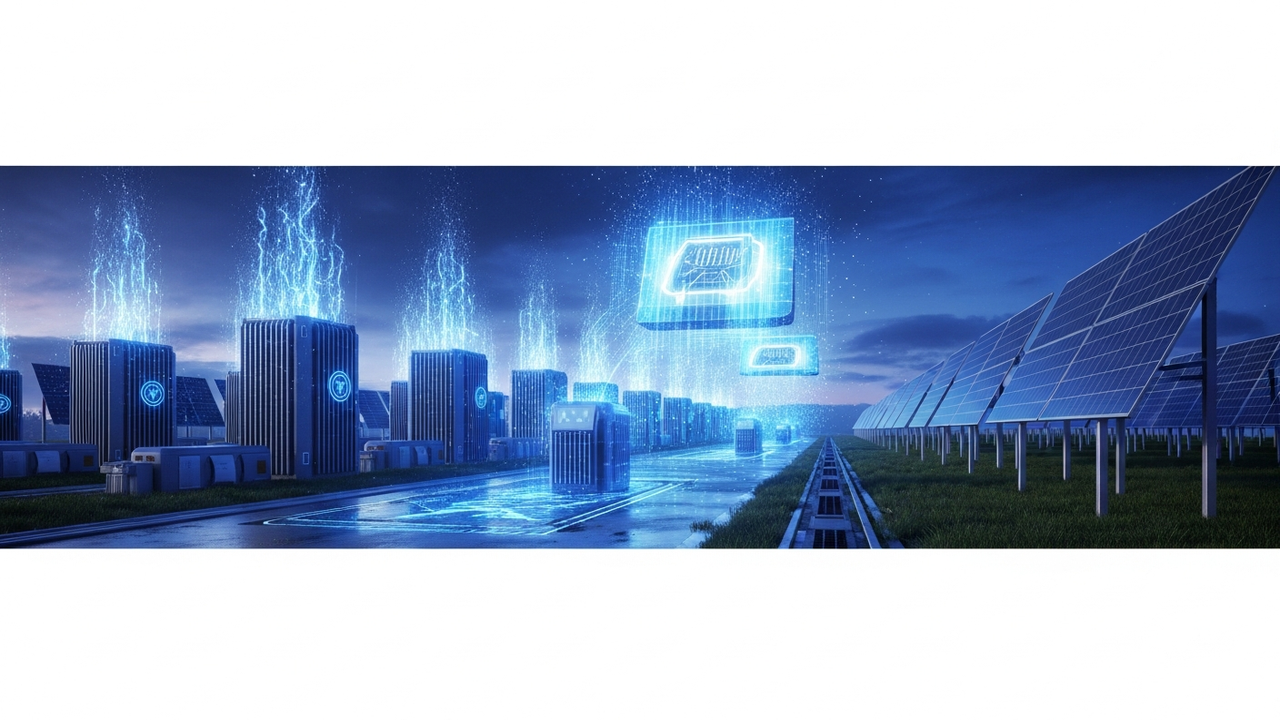
The states of Massachusetts and Minnesota are accelerating the deployment of Virtual Power Plant (VPP) programs in response to surging electricity demand, driven by the expansion of data centers, proliferation of electric vehicles (EVs), and industrial growth. VPPs offer a cost-effective and cleaner alternative to traditional natural gas peaker plants by efficiently integrating distributed energy resources (DERs) like home batteries and smart appliances.
Technical Details
A Virtual Power Plant (VPP) is a cloud-based system that coordinately manages and optimizes a multitude of small-scale DERs through a software platform. These resources include residential solar-plus-storage systems, smart thermostats, EV chargers, and industrial load control systems. VPPs continuously monitor these DERs in real-time and adjust supply and demand to enhance grid stability and provide additional generating capacity during peak demand periods. This mechanism reduces the need for expensive and environmentally impactful peaker plants and alleviates grid congestion. Massachusetts has set a specific, ambitious target to develop 3.5 GW of demand management resources through VPPs by 2035.
Background & Context
In recent years, the structure of electricity demand has shifted due to the expansion of the digital economy and the transition to clean energy. Data centers consume immense amounts of power, and EV charging infrastructure creates new demand peaks. Concurrently, the accelerated adoption of renewable energy sources, while crucial for climate action, introduces variability that challenges grid stability. VPPs are recognized as a powerful tool to optimize this complex balance of electricity supply and demand. Regulatory reforms, such as FERC Order 2222 in the U.S., have further paved the way for VPPs to participate in wholesale electricity markets, boosting their adoption.
Strategic Significance & Outlook
The acceleration of VPP programs in Massachusetts and Minnesota could serve as a model for grid management strategies across the U.S. and internationally. Specifically, Massachusetts’ ambitious 3.5 GW target highlights the potential scale of distributed energy resources and the transformative impact they can have on the grid. VPPs enhance grid resilience, reduce the risk of outages, and offer consumers opportunities for electricity bill savings through active participation in energy management. The success of these programs is expected to accelerate the transition to a more decentralized, decarbonized, and sustainable future electricity system.
Get our weekly technology intelligence — free
Receive an infographic that lets you judge at a glance whether each field’s analysis report is worth reading.
Subscribe Free — Weekly Tech Intelligence
By subscribing, you’ll receive Troy-Technical’s weekly technology intelligence newsletter.
- Your email and selected fields are used only to deliver the newsletter.
- We never share your information with third parties.
- You can unsubscribe anytime via the link in each email.
See our Privacy Policy for details.
Takes about a minute · Unsubscribe anytime