Background
With the rising global prevalence of diabetes, glucose monitoring has become a central element of disease management. Continuous Glucose Monitoring (CGM) technology is rapidly gaining traction due to its ability to improve patients’ quality of life and enable more effective glucose control. However, the market offers various types of glucose monitors, exhibiting significant differences in quality and accuracy. To prevent consumers from making ill-informed choices, clear quality indicators such as regulatory approval status, Mean Absolute Relative Difference (MARD) scores demonstrating product reliability, and expiration dates indicating product lifespan are strongly emphasized. Transparent disclosure of this information is crucial for healthy market development and ensuring patient safety.
Key Findings
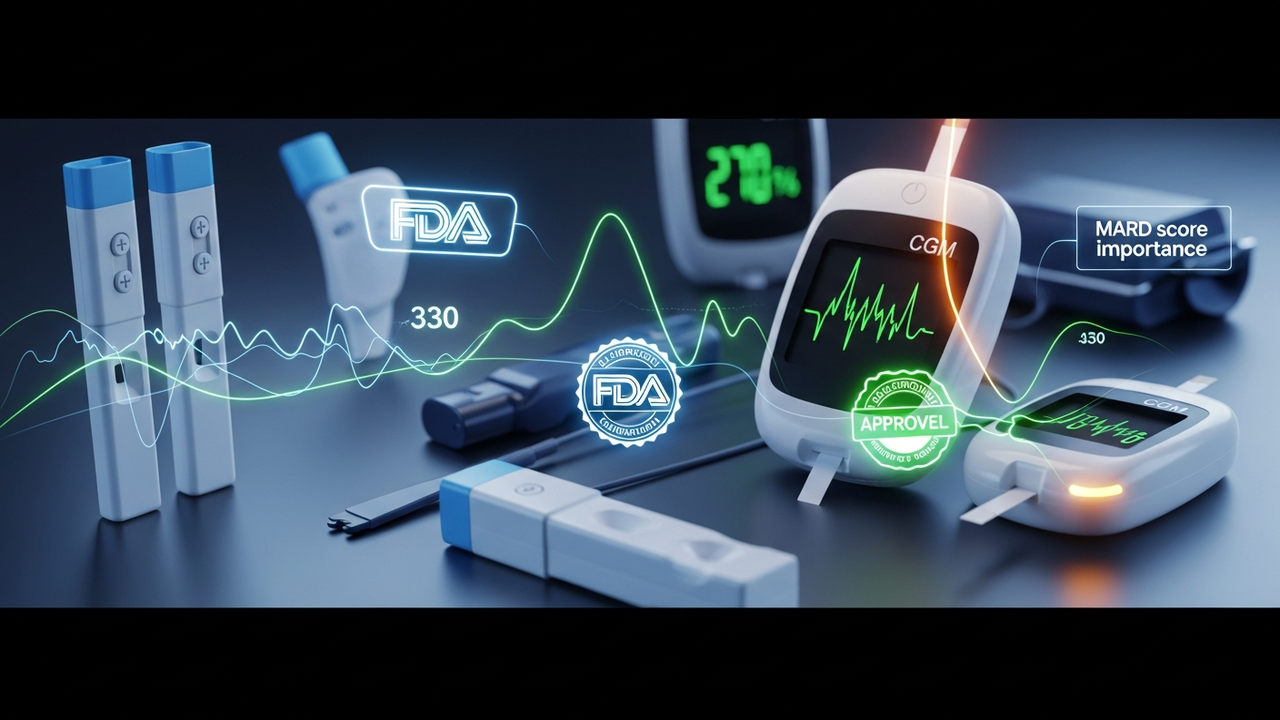
A recent report details projected pricing trends for glucose test kits in 2026 and identifies critical quality indicators for Continuous Glucose Monitoring (CGM) systems. CGM represents an innovative technological leap, continuously tracking interstitial fluid glucose concentrations via a tiny subcutaneously inserted filament, with data wirelessly transmitted to smartphones. The report underscores that securing FDA approval or a CE Mark, providing clear expiration dates, and ensuring transparency in Mean Absolute Relative Difference (MARD) scores are indispensable criteria for selecting reliable glucose monitoring devices.
Technical & Clinical Details
CGM devices offer a significantly more comprehensive glucose profile compared to traditional self-monitoring blood glucose (SMBG) methods, such as finger-prick tests. The sensor, typically placed subcutaneously on the upper arm, continuously measures interstitial fluid glucose concentrations for up to 14 days. This data is then wirelessly transmitted in real-time to the user’s smartphone or a dedicated reader, leveraging technologies like Bluetooth. This continuous stream of information allows users to not only see their current glucose level but also observe glucose trends, the rate, and direction of change. Such insights are crucial for the early detection of hypoglycemia or hyperglycemia risks and for optimizing diet or insulin dosage. FDA approval and the CE Mark serve as critical indicators that a device adheres to stringent safety and performance standards within their respective regulatory frameworks. Specifically, the Mean Absolute Relative Difference (MARD) score quantifies the average percentage difference between CGM readings and gold-standard laboratory reference measurements; a lower MARD score denotes superior device accuracy. Medical-grade CGMs are generally expected to achieve a MARD of less than 10%.
Strategic Significance & Outlook
The glucose monitoring market is poised for continued evolution, driven by the rapid advancements and widespread adoption of CGM technology. Future developments are anticipated to focus on CGMs offering even higher accuracy, reduced cost, and extended wear duration. Beyond hardware improvements, significant strides are expected in continuously lowering MARD scores and providing personalized health insights powered by AI-driven data analytics. These innovations will empower patients with a deeper understanding of their health status and facilitate more effective diabetes management. Concurrently, regulatory bodies will continue to uphold rigorous safety and accuracy standards throughout the approval process for emerging technologies, thereby ensuring patients consistently have access to reliable medical devices.
Get our weekly technology intelligence — free
Receive an infographic that lets you judge at a glance whether each field’s analysis report is worth reading.
Subscribe Free — Weekly Tech Intelligence
By subscribing, you’ll receive Troy-Technical’s weekly technology intelligence newsletter.
- Your email and selected fields are used only to deliver the newsletter.
- We never share your information with third parties.
- You can unsubscribe anytime via the link in each email.
See our Privacy Policy for details.
Takes about a minute · Unsubscribe anytime