Key Findings
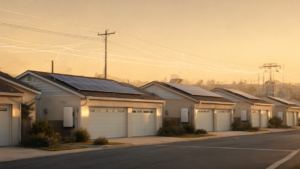
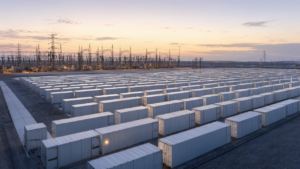
Virtual Power Plants (VPPs) are rapidly emerging as an indispensable component in modern electricity grids. A VPP is a system that aggregates geographically dispersed energy resources, such as solar panels, wind turbines, Battery Energy Storage Systems (BESS), and electric vehicle (EV) chargers, using IT technology to control them remotely as if they were a single power plant. This significantly enhances grid stability and optimizes the integration of renewable energy.
Technical Details
The core technology of VPPs lies in advanced Information and Communication Technologies (ICT) and AI-based optimization algorithms. These technologies collect and analyze real-time data from thousands or tens of thousands of Distributed Energy Resources (DERs), predict the balance of supply and demand, and optimally schedule the charging, discharging, or operation of DERs. For instance, during periods of high electricity prices or anticipated power shortages, a VPP directs contracted BESS and EVs to supply power to the grid, conversely, encouraging DERs to charge when electricity prices are low or renewable energy supply is abundant. This flattens peak loads on the grid and provides frequency regulation services.
Background & Context
The global push for decarbonization and the expanding integration of renewable energy sources are presenting new challenges for power grids. Solar and wind power are inherently intermittent, making it increasingly difficult for traditional centralized generation systems alone to maintain grid stability. VPPs are gaining attention as a cost-effective solution to address this intermittency, enhancing grid flexibility and resilience. Many countries and regions are implementing regulatory reforms and incentive programs to promote VPP adoption.
Strategic Significance & Outlook
The proliferation of VPPs holds the potential to fundamentally transform the energy industry’s business models. Consumers will evolve from mere electricity users into ‘prosumers’ who actively contribute to the power grid. This enables utilities to strengthen demand-side management and optimize grid capacity while reducing capital investment. In the long term, VPPs are expected to facilitate the creation of energy self-sufficient systems involving local communities, serving as a critical pillar towards realizing a smarter, more sustainable energy future.
Source: https://energy-solutions.co/articles/sub/virtual-power-plants-vpp-rise
Get our weekly technology intelligence — free
Receive an infographic that lets you judge at a glance whether each field’s analysis report is worth reading.
Subscribe Free — Weekly Tech Intelligence
By subscribing, you’ll receive Troy-Technical’s weekly technology intelligence newsletter.
- Your email and selected fields are used only to deliver the newsletter.
- We never share your information with third parties.
- You can unsubscribe anytime via the link in each email.
See our Privacy Policy for details.
Takes about a minute · Unsubscribe anytime