Key Findings
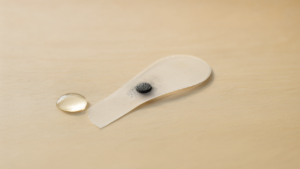
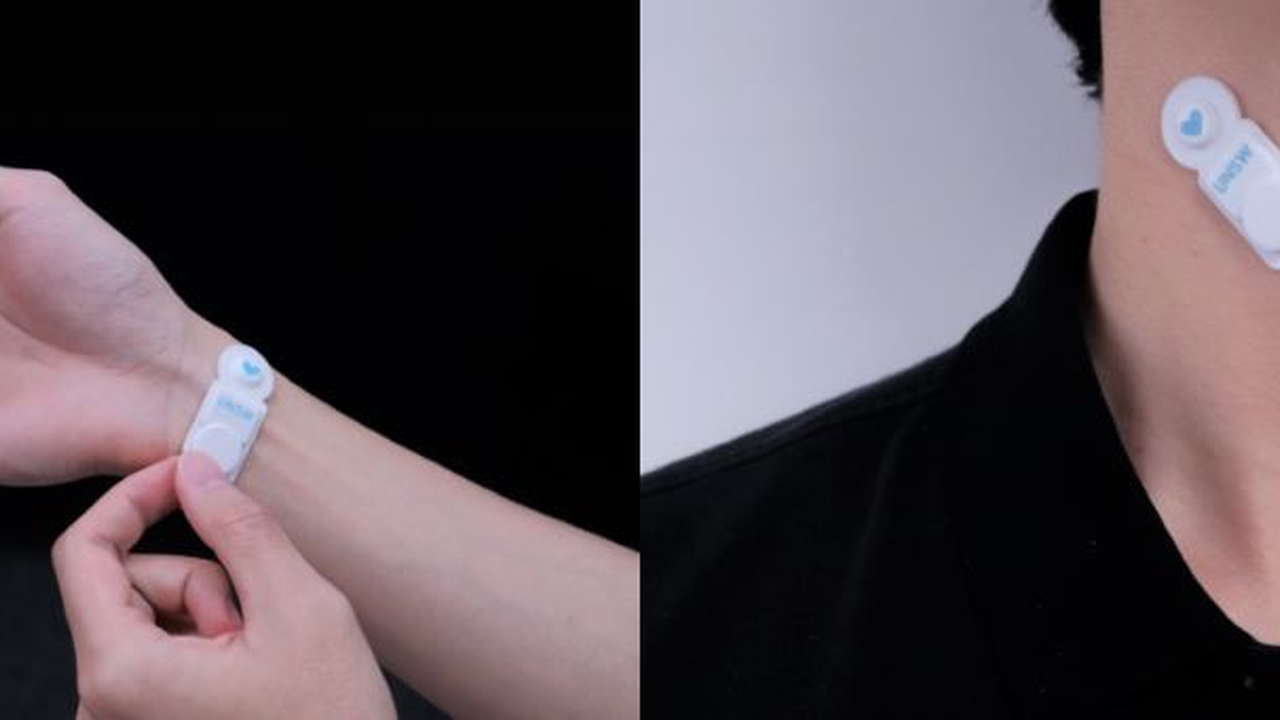
Researchers at the University of New South Wales (UNSW) in Sydney have developed a novel, small, and lightweight wearable auscultation sensor. This flexible sensor patch is designed to allow individuals with cardiac and respiratory diseases to continuously monitor their health conditions at home, potentially helping clinicians identify issues more rapidly by capturing subtle vibrations emanating from the heart, lungs, and bloodstream with high sensitivity.
Technical/Clinical Details
This new wearable sensor represents a significant leap forward by continuously measuring minute bio-acoustic signals and vibrations that are often difficult for traditional stethoscopes to detect. The device is a flexible patch worn directly on the skin, enabling long-duration monitoring without impeding the patient’s daily activities. Collected data can be wirelessly transmitted to healthcare providers, potentially allowing for real-time detection of conditions such as worsening heart failure, early signs of asthma attacks, or abnormal heart rhythms, thereby facilitating early intervention. This innovation is expected to reduce the need for frequent hospital visits, alleviate patient burden, and lower healthcare costs.
Background & Context
Cardiovascular diseases and chronic respiratory conditions remain leading causes of death worldwide, and their effective management necessitates continuous monitoring. However, current healthcare systems often provide only limited data during periodic check-ups or hospital stays, making early detection of home-based abnormalities challenging. The evolution of wearable technology offers a solution to this problem, fostering personalized medicine where patients can actively participate in their own health management. Such remote monitoring technologies hold particular significance in regions with limited medical resources and in aging societies.
Strategic Significance & Outlook
The UNSW research team plans to proceed with clinical trials to further validate the accuracy and reliability of this auscultation sensor. The long-term vision is for this technology to be widely adopted, enabling patients to receive high-quality care securely from their homes. Furthermore, the application scope could extend beyond cardiac and respiratory diseases to include monitoring for sleep apnea and other chronic conditions. This wearable auscultation sensor is positioned to become a powerful tool for clinicians, facilitating quicker and more precise diagnoses and ultimately improving patient prognoses.
Get our weekly technology intelligence — free
Receive an infographic that lets you judge at a glance whether each field’s analysis report is worth reading.
Subscribe Free — Weekly Tech Intelligence
By subscribing, you’ll receive Troy-Technical’s weekly technology intelligence newsletter.
- Your email and selected fields are used only to deliver the newsletter.
- We never share your information with third parties.
- You can unsubscribe anytime via the link in each email.
See our Privacy Policy for details.
Takes about a minute · Unsubscribe anytime