Key Findings
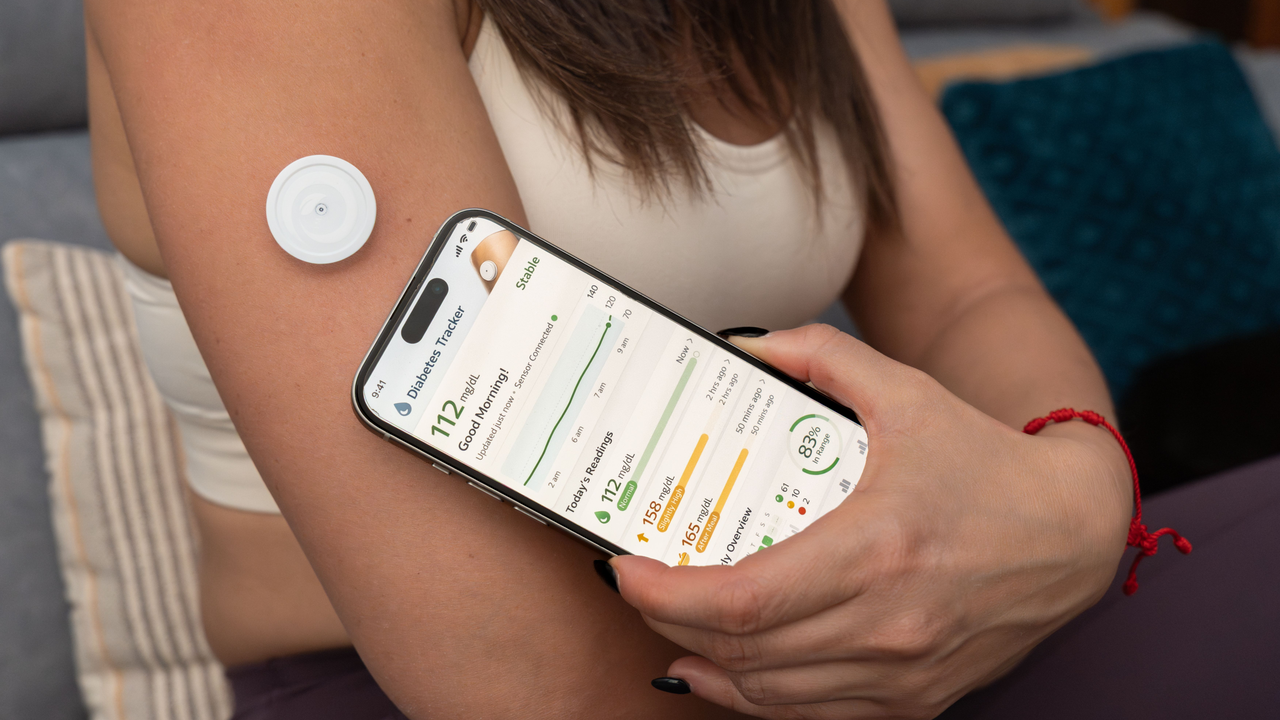
At the 86th American Diabetes Association (ADA) Scientific Sessions in 2026, a significant shift in diabetes care was announced, with continuous glucose monitoring (CGM) expanding its utility beyond traditional intensive insulin management to a broader population of Type 2 diabetes patients. The conference also prominently featured continuous ketone monitoring (CKM) technologies, aimed at earlier identification of elevated ketones and proactive management to prevent diabetic ketoacidosis (DKA). Dual glucose-ketone sensing technology, combining both measurements in a single wearable sensor, emerged as a highly anticipated innovation, poised to transform diabetes management globally.
Technical & Clinical Details
The expansion of CGM applications seeks to improve glycemic control and deepen patients’ understanding of how lifestyle choices impact blood glucose levels, particularly for non-insulin-dependent Type 2 diabetics. This enables more individuals to optimize their diet, exercise, and medication regimens based on real-time data. CKM technology is developed based on the crucial insight that ketone levels can rise even when glucose levels are within a normal range, which is particularly vital for patients on SGLT2 inhibitors or during sick days. This allows for early detection of DKA risk and prompt medical intervention. Furthermore, the dual glucose-ketone sensing technology offers a more comprehensive metabolic overview by simultaneously monitoring both biomarkers with a single device, setting a new standard in DKA prevention.
Background & Context
Diabetes is a global epidemic, and its management poses significant challenges to healthcare systems worldwide. While CGM has dramatically improved glycemic control for insulin-treated patients over the past few years, there has been growing anticipation for its benefits to extend to a wider patient demographic. DKA is a severe, life-threatening complication, and its early detection and prevention are paramount for patient survival. These new technologies showcase how advancements in wearable sensors and digital healthcare can revolutionize diabetes prevention, management, and emergency response strategies.
Strategic Significance & Outlook
The technological innovations presented at ADA 2026 mark a crucial step in shaping the future of diabetes care. The broader adoption of CGM will empower more patients to effectively manage their condition, while CKM and dual-sensor technologies offer new opportunities to reduce the risk of dangerous complications like DKA. These technologies will facilitate patient empowerment and enable healthcare providers to develop more personalized treatment plans. Anticipated developments include further advancements in regulatory approval and insurance coverage, making these devices accessible to diabetes patients across the globe.
Get our weekly technology intelligence — free
Receive an infographic that lets you judge at a glance whether each field’s analysis report is worth reading.
Subscribe Free — Weekly Tech Intelligence
By subscribing, you’ll receive Troy-Technical’s weekly technology intelligence newsletter.
- Your email and selected fields are used only to deliver the newsletter.
- We never share your information with third parties.
- You can unsubscribe anytime via the link in each email.
See our Privacy Policy for details.
Takes about a minute · Unsubscribe anytime