Key Findings
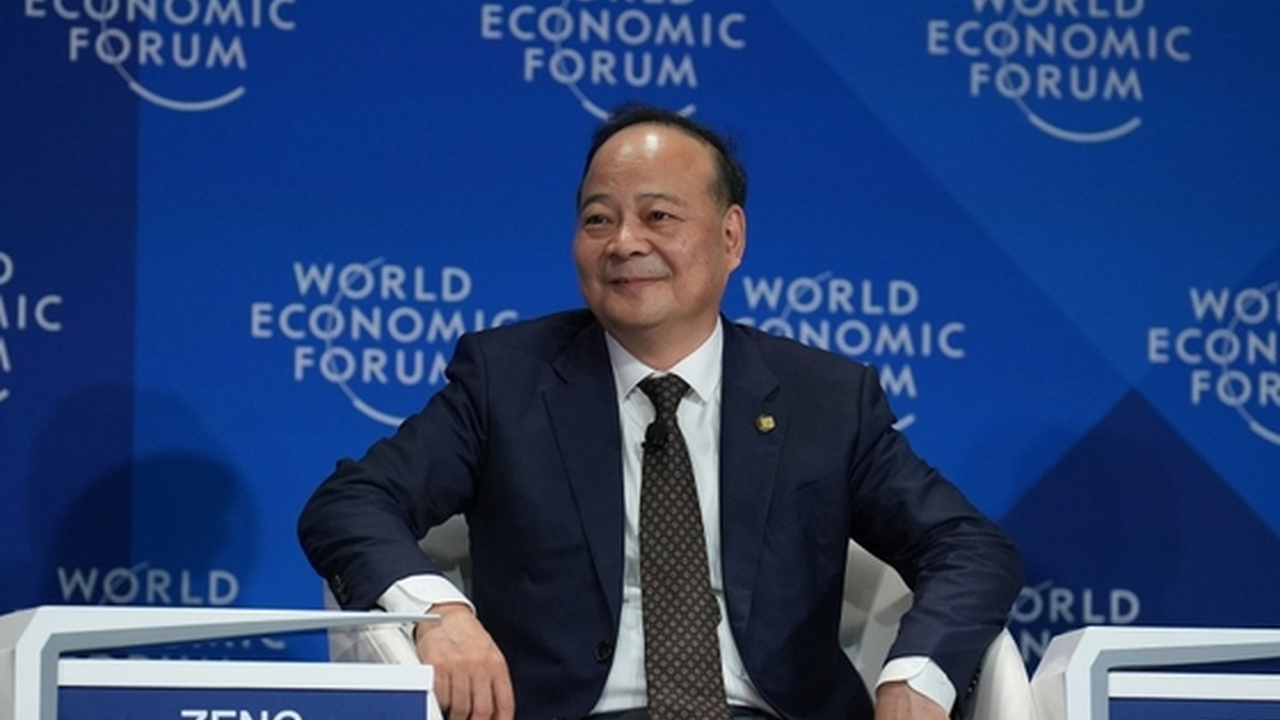
Zeng Yuqun, Chairman of Contemporary Amperex Technology Co. Limited (CATL), the world’s largest electric vehicle (EV) battery manufacturer, has officially declared that all-solid-state battery (SSB) technology remains a distant prospect for mass production, currently standing at “Level 4” on the company’s nine-stage evaluation system. While CATL aims to commence small-scale production by 2027, this assessment contrasts sharply with more aggressive timelines of some competitors, such as Dongfeng Motor’s plan for mass-produced SSBs by late 2026, offering a pragmatic counterpoint to market enthusiasm.
Technical / Clinical Details
Chairman Zeng’s remarks acknowledge the significant potential benefits of solid-state batteries—including higher energy density, enhanced safety, and longer lifespan—but emphasize that numerous technological hurdles must still be overcome. Specifically:
- Technology Readiness Level 4: This stage indicates that fundamental proof-of-concept and laboratory-scale research have been successful, and basic technical challenges are being identified. However, key factors essential for mass production, such as stability, reliability, cost-efficiency, and scalability, are not yet fully established.
- 2027 Target: CATL’s target of initiating small-scale production by 2027 suggests that full commercial deployment, especially in the automotive industry which demands stringent quality control and cost efficiency, will require substantially more time. This highlights the formidable task of meeting the durability, safety, and cost-performance benchmarks required for automotive-grade batteries.
The notable divergence between CATL’s cautious stance and the more optimistic timelines from some other companies, like Dongfeng Motor’s reported plans for mass-produced solid-state EVs by the second half of 2026, might reflect differences in the definition of solid-state batteries, performance requirements, or varying approaches to commercialization.
Background & Context
The growth of the electric vehicle market is heavily reliant on advancements in battery technology, with solid-state batteries widely touted as a “game-changer.” However, the path to practical application is fraught with challenges: complex manufacturing processes, high interfacial resistance between solid electrolytes and electrodes, suppression of dendrite formation, and ensuring stability across wide temperature ranges. A cautious perspective from an industry leader like CATL is crucial for understanding the realistic roadmap for the technology and provides essential information for investors and automakers in shaping their future strategies.
Strategic Significance & Outlook
CATL’s statement implies that the full-scale commercialization of solid-state batteries will demand more time and significantly greater R&D investment than current market expectations suggest. This perspective may prompt a reassessment of short-term market forecasts and potentially re-emphasize the importance of intermediate technologies, such as liquid-solid hybrid batteries or improved lithium-ion chemistries. Over the next few years, the industry will closely watch CATL’s technological progress, the impact of its small-scale production, and how other key players react to this cautionary stance, as these will define the pace and direction of battery innovation.
Get our weekly technology intelligence — free
Receive an infographic that lets you judge at a glance whether each field’s analysis report is worth reading.
Subscribe Free — Weekly Tech Intelligence
By subscribing, you’ll receive Troy-Technical’s weekly technology intelligence newsletter.
- Your email and selected fields are used only to deliver the newsletter.
- We never share your information with third parties.
- You can unsubscribe anytime via the link in each email.
See our Privacy Policy for details.
Takes about a minute · Unsubscribe anytime