Key Findings
Murata Manufacturing has reported significant progress in its all-solid-state microbattery technology, specifically targeting small electronic devices and wearables. The company highlighted substantial improvements in both energy density and cycle life for its ceramic-based microbatteries, which leverage proprietary oxide solid electrolytes. This achievement positions Murata to expand its market presence in compact, high-reliability power sources, capitalizing on the escalating demand driven by the proliferation of IoT devices and other miniature electronics.
Technical Details and Performance Improvement
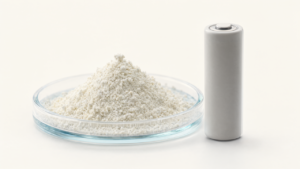
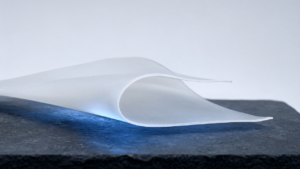
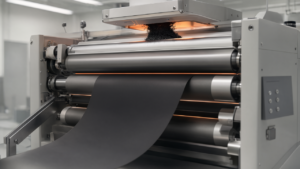
Murata Manufacturing’s all-solid-state microbatteries fundamentally resolve safety issues (such as liquid leakage and fire risk) associated with liquid electrolytes by utilizing ceramic-based oxide solid electrolytes. The recent improvements were achieved through optimizing material compositions and refining manufacturing processes. Specifically, enhancements in electrode materials and a reduction in interfacial resistance with the solid electrolyte have led to an increase in energy density—the storage capacity per unit volume. Concurrently, the cycle life characteristics have been bolstered, ensuring consistent performance over numerous charge-discharge cycles. This means wearable devices and small IoT sensors can operate for longer durations, requiring less frequent battery replacement.
Background and Industry Context
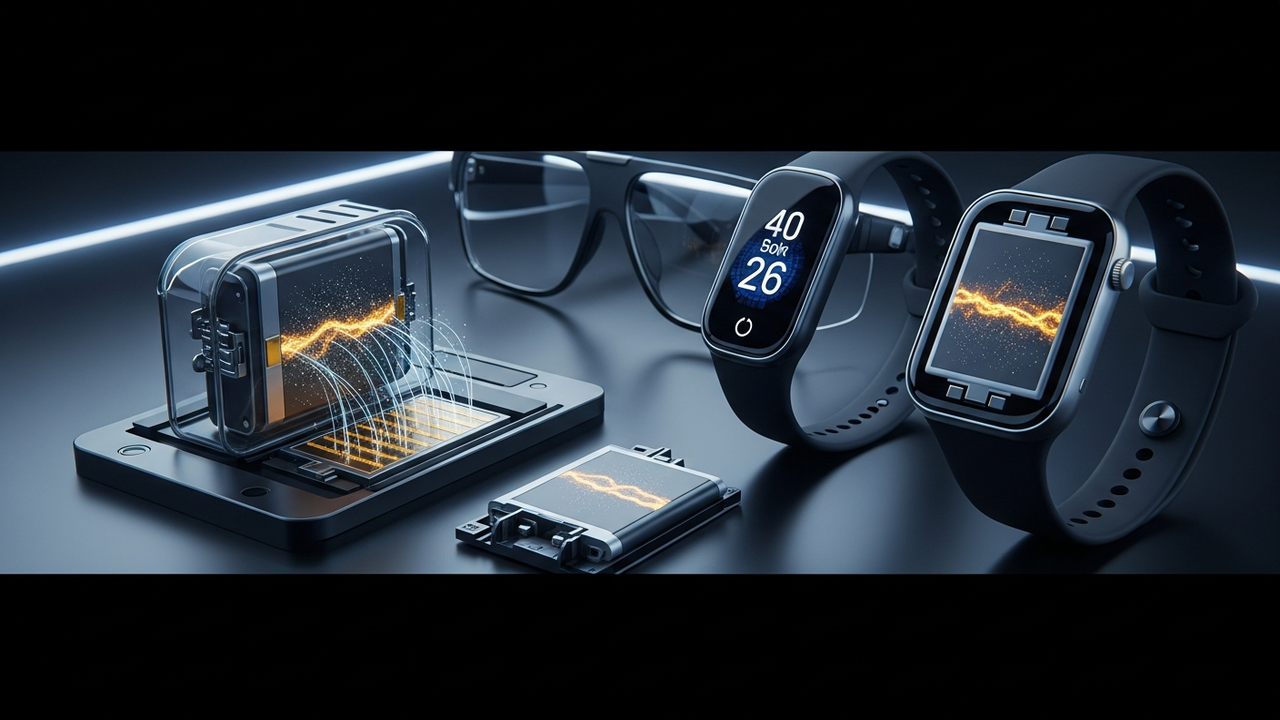
The explosive growth of IoT (Internet of Things) devices and the widespread adoption of wearable products like smartwatches and hearables have led to a surge in demand for compact, thin, and highly reliable power sources. For devices worn on the body, all-solid-state batteries offer a significant safety advantage due to the absence of liquid leakage or thermal risks. Murata Manufacturing, leveraging its expertise in ceramic electronic components, has been at the forefront of product development in this microbattery market. These latest advancements further strengthen the company’s leadership in this niche but rapidly growing sector.
Strategic Significance and Outlook
The progress in Murata Manufacturing’s all-solid-state microbattery technology is expected to significantly enhance the design freedom for future small electronic devices. Improved energy density and cycle life directly translate to enhanced functionality, extended operating times, and ultimately greater convenience for consumers of wearable devices. The company plans to further evolve this technology, targeting adoption in a broad range of applications including IoT modules, medical implants, and environmental sensors. In the long term, all-solid-state microbatteries are anticipated to become a standard power source for various smart devices, serving as a critical component supporting the digitalization and advanced functionality of society.
Source: #
Get our weekly technology intelligence — free
Receive an infographic that lets you judge at a glance whether each field’s analysis report is worth reading.
Subscribe Free — Weekly Tech Intelligence
By subscribing, you’ll receive Troy-Technical’s weekly technology intelligence newsletter.
- Your email and selected fields are used only to deliver the newsletter.
- We never share your information with third parties.
- You can unsubscribe anytime via the link in each email.
See our Privacy Policy for details.
Takes about a minute · Unsubscribe anytime