Background
On June 24, 2026, the U.S. Food and Drug Administration (FDA) announced significant approvals for multiple oncology and metabolic disease treatments. These decisions reflect the ongoing advancements in personalized medicine and targeted therapies, especially within the pharmaceutical industry’s active investment in innovative drug discovery. The approvals for triple-negative breast cancer (TNBC) therapies, particularly antibody-drug conjugates (ADCs) and immunotherapies, represent a groundbreaking approach to highly refractory cancers. Furthermore, the first-in-class approval for severe hypertriglyceridemia addresses a critical unmet need in preventive medicine and chronic disease management, while new breast cancer regimens aim for more effective and sustained treatment outcomes by combining multiple targets.
Key Findings
First-Line Treatment for Triple-Negative Breast Cancer (TNBC)
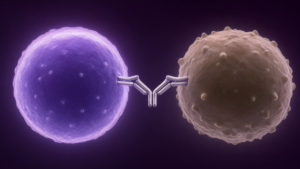
The FDA granted approval for sacituzumab govitecan-hziy, an antibody-drug conjugate (ADC), for the first-line treatment of triple-negative breast cancer (TNBC). This approval encompasses both monotherapy and combination therapy with the immune checkpoint inhibitor pembrolizumab (Keytruda). Sacituzumab govitecan-hziy combines an antibody specifically targeting cancer cells with a potent anticancer agent, delivering precise therapeutic action. Given that TNBC is an aggressive disease with limited treatment options and a poor prognosis, this approval marks a substantial advancement for patients. Previous trials demonstrated improved objective response rates and extended progression-free survival, positioning this regimen as a potential new standard of care for challenging TNBC cases.
Novel Therapy for Severe Hypertriglyceridemia
A first-of-its-kind therapy received FDA approval to reduce the risk of acute pancreatitis in adult patients with severe hypertriglyceridemia. This addresses a previously unmet medical need for a serious complication caused by elevated triglyceride levels. The treatment directly acts on lipid metabolism, effectively lowering triglyceride levels and consequently mitigating patients’ health risks. While the specific drug name was not disclosed at the time of the announcement, its novel mechanism of action is expected to introduce a new paradigm in managing this condition.
Maintenance Therapy for HR+/HER2+ Metastatic Breast Cancer
The FDA also approved a combination regimen for the maintenance treatment of HR-positive, HER2-positive metastatic breast cancer. This regimen includes the CDK4/6 inhibitor palbociclib (Ibrance), the HER2-targeted antibody trastuzumab (Herceptin) (with or without pertuzumab), and endocrine therapy. This new maintenance approach aims to achieve more sustained disease control and prolonged overall survival for patients with this specific subtype of metastatic breast cancer. For individuals whose disease progression is often unavoidable with existing therapies, this new regimen offers the potential to maintain treatment efficacy and enhance quality of life.
Significance & Outlook
The introduction of these newly approved therapies holds the potential to significantly improve patient outcomes and reshape treatment guidelines across their respective disease areas. TNBC patients will gain access to more effective first-line treatment options, while individuals with severe hypertriglyceridemia can anticipate reduced risks of severe complications like acute pancreatitis. Furthermore, patients with HR-positive, HER2-positive metastatic breast cancer can now expect longer-term disease control. These approvals not only represent significant commercial successes for the involved pharmaceutical companies but also serve as crucial milestones that will influence the direction of future research and development in oncology and metabolic disorders.
Source: https://www.fda.gov/drugs/news-events-human-drugs/whats-new-related-drugs
Get our weekly technology intelligence — free
Receive an infographic that lets you judge at a glance whether each field’s analysis report is worth reading.
Subscribe Free — Weekly Tech Intelligence
By subscribing, you’ll receive Troy-Technical’s weekly technology intelligence newsletter.
- Your email and selected fields are used only to deliver the newsletter.
- We never share your information with third parties.
- You can unsubscribe anytime via the link in each email.
See our Privacy Policy for details.
Takes about a minute · Unsubscribe anytime