Key Findings
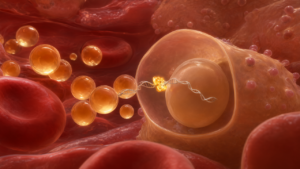
A groundbreaking study has reported the first successful application of CRISPR-derived base editing in human embryos, achieving precise DNA changes while notably avoiding the large chromosomal aberrations commonly seen with conventional CRISPR-Cas9 editing. This accomplishment potentially marks a significant step forward in developing curative therapies for inherited genetic diseases.
Technical / Clinical Details
Researchers demonstrated efficient single-base genome editing in early human embryos using base editors. Unlike the CRISPR-Cas9 system, which involves double-strand DNA breaks and carries risks of large deletions or rearrangements, base editing directly converts a single base, significantly reducing these associated risks. However, the study also brought to light persistent challenges such as mosaicism (where edits do not uniformly affect all cells) and the potential for unintended off-target effects. These issues indicate that further technical refinement is necessary before clinical application.
Background & Context
Genome editing in human embryos has long been a focal point of ethical, social, and technical debates, offering hope for preventing and treating severe inherited diseases. Germline editing, in particular, which introduces heritable genetic changes to future generations, demands exceptionally stringent safety and precision standards. The introduction of base editing holds the promise of overcoming some limitations of CRISPR-Cas9, offering a potentially safer editing approach that could accelerate progress in this sensitive field.
Strategic Significance & Outlook
This research illuminates both the potential and the challenges of base editing in human embryos. Future efforts are anticipated to focus on technological improvements aimed at further suppressing mosaicism and reducing off-target effects. For this technology to reach clinical application, it must overcome not only scientific and technical hurdles but also gain broad societal understanding and establish a robust ethical framework. Discussions surrounding the future of heritable genome editing will deepen with these new insights, playing a crucial role in determining the direction of next-generation genetic therapies.
Source: https://crisprmedicinenews.com/news/cmn-weekly-26-june-2026-your-weekly-crispr-medicine-news/
Get our weekly technology intelligence — free
Receive an infographic that lets you judge at a glance whether each field’s analysis report is worth reading.
Subscribe Free — Weekly Tech Intelligence
By subscribing, you’ll receive Troy-Technical’s weekly technology intelligence newsletter.
- Your email and selected fields are used only to deliver the newsletter.
- We never share your information with third parties.
- You can unsubscribe anytime via the link in each email.
See our Privacy Policy for details.
Takes about a minute · Unsubscribe anytime