Key Findings
Prime Medicine, Inc. has announced that its investigational autologous prime editing hematopoietic stem cell therapy, PM359, designed for the treatment of p47phox-deficient Chronic Granulomatous Disease (CGD), has been granted Regenerative Medicine Advanced Therapy (RMAT) designation by the U.S. Food and Drug Administration (FDA). This significant designation was awarded based on compelling Phase 1/2 clinical data, including findings previously published in the New England Journal of Medicine, which indicate PM359’s potential to deliver clinically meaningful disease-modifying effects in CGD.
Technical / Clinical Details
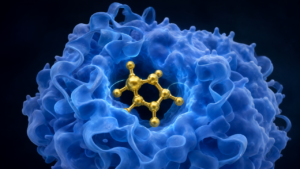
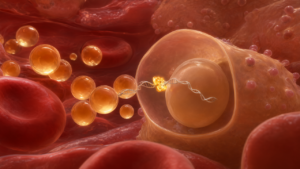
PM359 is an autologous therapy that utilizes Prime Editing technology to correct the underlying defect in the p47phox gene within a patient’s own hematopoietic stem cells. Chronic Granulomatous Disease (CGD) is a rare genetic disorder where immune cells fail to effectively kill bacteria and fungi, leading to severe recurrent infections and inflammatory complications. Prime Editing allows for highly precise DNA modifications—including single-base substitutions, small insertions, and deletions—with greater accuracy than traditional CRISPR-Cas9, making it ideal for correcting specific gene mutations like those in p47phox. The RMAT designation is reserved for regenerative medicine products intended to treat serious or life-threatening conditions, with preliminary clinical evidence suggesting the potential for substantial improvement over existing therapies. This status provides developers with benefits such as early and intensive FDA guidance, accelerated development discussions, and eligibility for rolling review and priority review of future Biologics License Applications (BLAs), expected to expedite PM359’s availability to patients.
Background & Context
Chronic Granulomatous Disease is a rare disease with high unmet medical needs, and current treatment options present significant limitations. Gene therapy has emerged as a promising approach to address the root cause of genetic disorders like CGD, but traditional gene delivery methods have faced challenges concerning safety and efficiency. Precise genome editing technologies such as Prime Editing offer the potential to overcome these obstacles, providing safer and more effective therapeutic solutions. The acquisition of RMAT designation indicates that Prime Medicine’s technology has been highly recognized by regulatory authorities for its innovation and clinical potential.
Strategic Significance & Outlook
The RMAT designation is poised to significantly accelerate the clinical development of PM359. Prime Medicine will work closely with the FDA to streamline its development program, aiming to bring this innovative therapy to CGD patients as quickly as possible. The success of PM359 could open new avenues for applying Prime Editing technology to treat other genetic diseases, potentially having a profound impact on the broader field of gene therapy. Investors and the patient community are keenly watching this important development and the forthcoming results of clinical trials.
Get our weekly technology intelligence — free
Receive an infographic that lets you judge at a glance whether each field’s analysis report is worth reading.
Subscribe Free — Weekly Tech Intelligence
By subscribing, you’ll receive Troy-Technical’s weekly technology intelligence newsletter.
- Your email and selected fields are used only to deliver the newsletter.
- We never share your information with third parties.
- You can unsubscribe anytime via the link in each email.
See our Privacy Policy for details.
Takes about a minute · Unsubscribe anytime