Key Findings
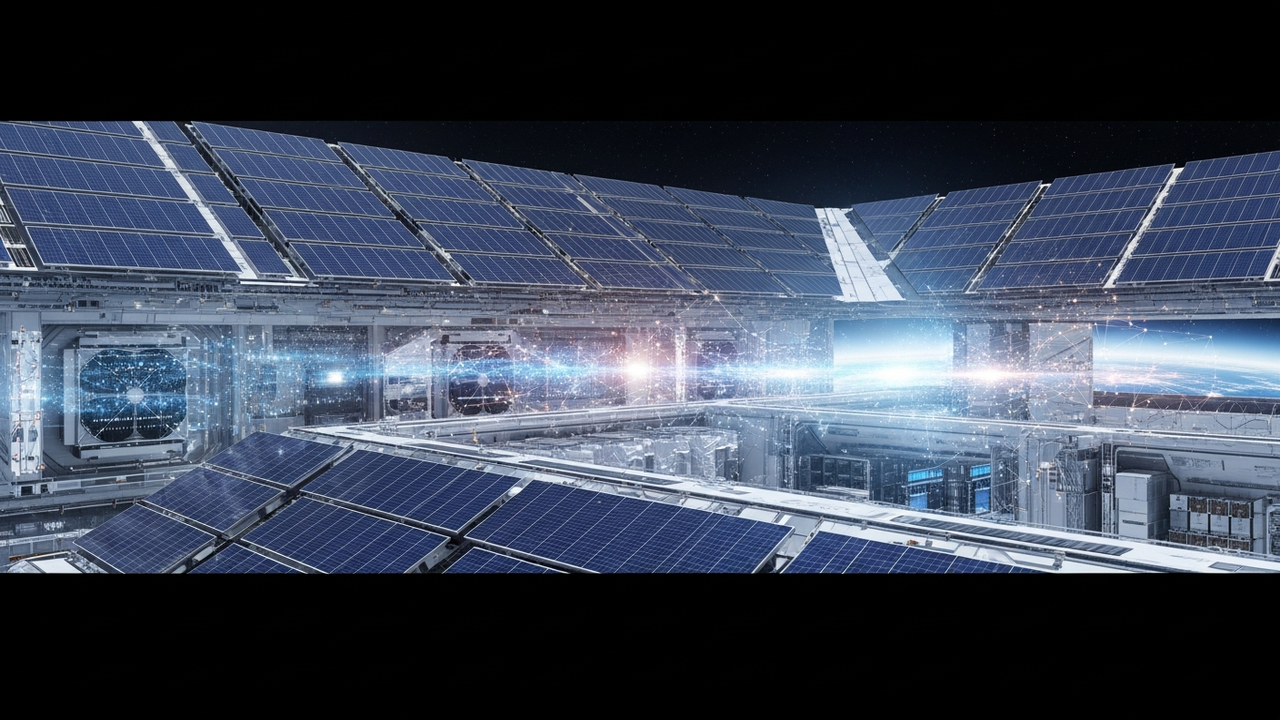
The potential for space-based data centers is rapidly increasing as a groundbreaking infrastructure to meet the demands of AI and high-bandwidth applications. Orbiting data centers offer significant advantages, including up to eight times greater solar energy harvesting efficiency compared to terrestrial setups, and the vacuum of space serving as an infinite heatsink, negating the need for traditional cooling towers. These characteristics promise substantial improvements in energy efficiency and operational cost optimization for data center operations.
Technical and Clinical Details
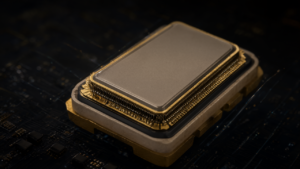
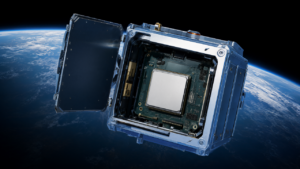
Realizing space data centers necessitates overcoming several critical technical challenges. Firstly, the harsh space environment, particularly high radiation levels, poses a significant threat to electronics, requiring radiation-hardened hardware designs and protective measures. Secondly, cooling systems must combine passive cooling utilizing the vacuum with active thermal management technologies, such as hierarchical thermal control architectures, PCM heat storage, and AI-intelligent control. Furthermore, advanced communication technologies like Free-Space Optical Inter-Satellite Links (FSO ISL) are crucial for achieving low-latency communication, enabling seamless integration with terrestrial data center networks. Operating high-performance AI chips, like NVIDIA H100 GPUs, in orbit demands sophisticated solutions to these challenges.
Background and Industry Context
Terrestrial data centers are confronting limitations related to surging power consumption, heat dissipation, and land availability. The rapid advancement of AI further exacerbates these challenges, driving the search for alternative computing infrastructure locations. Space offers a compelling solution to these terrestrial problems by providing clean energy sources, a natural cooling environment, and inherent physical security. Companies such as Axiom Space, Starcloud, and SpaceX (with Starlink) are already advancing concepts for orbital computing infrastructure, with initial applications expected in onboard processing of Earth observation data and extending AI services to remote regions.
Strategic Significance and Outlook
Space-based data centers have the potential to fundamentally transform the future of cloud computing and AI. As technological maturity progresses and launch costs decrease, orbital data centers could become an economically viable solution. In the future, they are expected to contribute to real-time processing of Earth observation data, secure handling of military and intelligence data, and enhanced communication resilience in remote or disaster-stricken areas. Should challenges like developing radiation-hardened devices and maintaining close-proximity flight for large satellite constellations be resolved, space will undoubtedly emerge as the next frontier for AI infrastructure.
Source: https://www.computer.org/csdl/magazine/co/2026/06/11540007/2gT4OZL8NvG
Get our weekly technology intelligence — free
Receive an infographic that lets you judge at a glance whether each field’s analysis report is worth reading.
Subscribe Free — Weekly Tech Intelligence
By subscribing, you’ll receive Troy-Technical’s weekly technology intelligence newsletter.
- Your email and selected fields are used only to deliver the newsletter.
- We never share your information with third parties.
- You can unsubscribe anytime via the link in each email.
See our Privacy Policy for details.
Takes about a minute · Unsubscribe anytime