Background
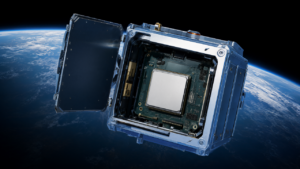
Terrestrial data centers face escalating challenges, including burgeoning power consumption, the imperative for extensive cooling infrastructure, and significant physical footprints. These pressures are exacerbated by the relentless expansion of AI and cloud computing. Space is increasingly seen as a viable frontier to address these terrestrial limitations. The successful deployment of mega-constellations, exemplified by SpaceX’s Starlink network, underscores the technical and economic viability of constructing large-scale space-based infrastructure. Furthermore, companies like Axiom Space and Starcloud are actively developing orbital computing platforms specifically designed to support AI-centric processing and global data distribution.
Key Findings
With AI infrastructure demand soaring globally, companies like SpaceX are pioneering the innovative concept of space-based data centers. This approach is gaining significant traction for its potential to circumvent terrestrial power and cooling limitations. Orbital data centers could leverage solar energy up to eight times more effectively than on Earth, and exploit the vacuum of space as a virtually infinite heatsink.
Technical Challenges and Solutions
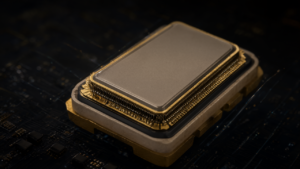
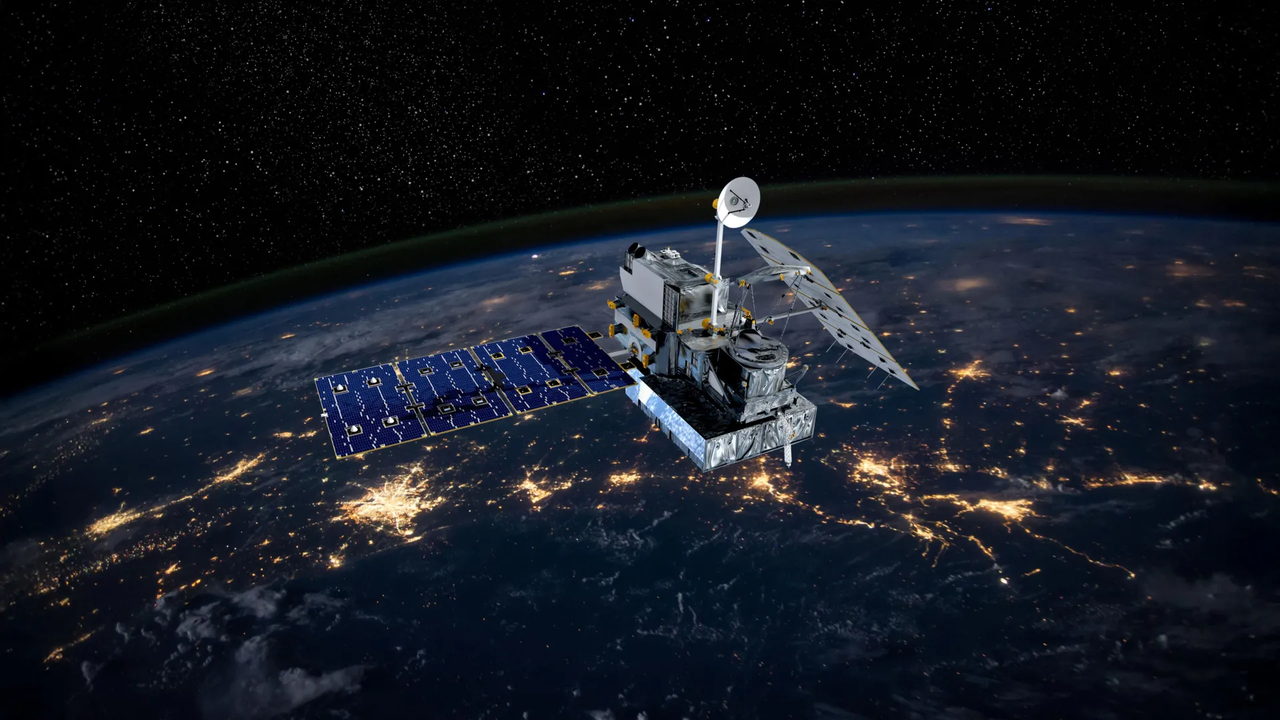
Space data centers are conceptualized as networked machine learning (ML) facilities composed of numerous solar-powered satellites interconnected via Free-Space Optical Inter-Satellite Links (FSO ISL). Deploying these satellites in sun-synchronous orbits offers distinct advantages, enabling a nearly continuous power supply, facilitating low-latency communication, and optimizing launch costs. However, several critical technical challenges must be overcome. Foremost, the severe space radiation environment poses a significant threat to electronics, necessitating the development and deployment of radiation-hardened devices, such as the wide-bandgap power devices currently being researched at Vanderbilt University. Secondly, achieving efficient heat dissipation demands advanced thermal management solutions, including hierarchical thermal control architectures, Phase Change Material (PCM) heat storage systems, and AI-driven intelligent control. Additionally, maintaining precise proximity flight for vast constellations of satellites, ensuring robust protection against space debris, and establishing the feasibility of in-orbit maintenance and upgrades remain substantial hurdles.
Strategic Significance and Outlook
Orbital AI infrastructure holds the potential to fundamentally reshape cloud computing, facilitating service expansion into remote and underserved regions, bolstering communication resilience, and redefining global data processing paradigms. Initial, more feasible applications are anticipated in real-time, on-orbit processing of Earth observation data and military/intelligence data, where stringent low-latency requirements are comparatively less critical. As technical hurdles are surmounted and economic viability advances, space data centers are poised to foster new supply chains and ecosystems, generating novel value for terrestrial industries and establishing themselves as the ‘next network edge.’
Source: https://www.sciencedaily.com/releases/2026/06/260618041501.htm
Get our weekly technology intelligence — free
Receive an infographic that lets you judge at a glance whether each field’s analysis report is worth reading.
Subscribe Free — Weekly Tech Intelligence
By subscribing, you’ll receive Troy-Technical’s weekly technology intelligence newsletter.
- Your email and selected fields are used only to deliver the newsletter.
- We never share your information with third parties.
- You can unsubscribe anytime via the link in each email.
See our Privacy Policy for details.
Takes about a minute · Unsubscribe anytime