Key Findings
With the explosive growth in AI infrastructure demand, a vibrant discussion is unfolding about the potential of space-based AI infrastructure to fundamentally transform the future of cloud computing. The continuous expansion of SpaceX’s Starlink network indicates that orbital infrastructure is creating new opportunities to support AI-related computing and global data movement. This innovative approach is expected to lead to service expansion into remote areas, enhanced communication resilience, and a redefinition of the existing competitive landscape.
Technical and Clinical Details
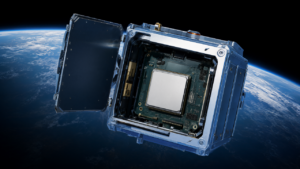
Space-based AI infrastructure will consist of numerous AI-enabled satellites deployed in Low Earth Orbit (LEO). These satellites will be interconnected via high-speed laser links, such as Free-Space Optical Inter-Satellite Links (FSO ISL), forming a distributed computing network. In orbit, abundant solar energy can be harnessed almost continuously, with an estimated generation capacity up to eight times greater than on terrestrial data centers. Furthermore, the vacuum of space acts as a natural heatsink, eliminating the need for cooling towers and significantly improving operational efficiency. Technical challenges include radiation-hardened designs to protect electronics from space radiation, thermal management to cope with extreme temperature fluctuations, and precise orbital maintenance and autonomous operation for a large number of satellites. Advanced technical solutions are required to overcome these hurdles for safe and efficient operation of AI chips in orbit.
Background and Industry Context
Terrestrial cloud computing infrastructure faces challenges of immense power consumption, heat dissipation, and land utilization, with the surge in AI workloads exacerbating these issues. Against this backdrop, space is emerging as an attractive solution to these terrestrial constraints by offering clean energy, natural cooling, and physical security. SpaceX’s Starlink already provides internet connectivity to millions of users worldwide, and its success demonstrates the potential for large satellite constellations to integrate computing capabilities beyond their role as communication infrastructure. Other companies like Axiom Space and Starcloud are also developing orbital data centers, indicating that space-based AI is becoming an integral component of the future digital economy.
Strategic Significance and Outlook
Space-based AI infrastructure will push cloud computing services to new frontiers, providing high-speed, reliable AI processing capabilities particularly to remote and underserved regions. This will contribute to bridging the global digital divide and creating new economic opportunities. Moreover, in the event of terrestrial natural disasters or cyberattacks disrupting communications, space-based networks can function as a backup, providing more resilient global connectivity. In the future, a wide range of applications is expected, including real-time analysis of Earth observation data, global AI processing for autonomous vehicles, and optimization of smart city infrastructure. As technical challenges are resolved and standardization progresses, space will undoubtedly become the next ‘edge’ of cloud computing.
Source: https://seniorexecutive.com/space-based-ai-infrastructure-cloud-telecom-future/
Get our weekly technology intelligence — free
Receive an infographic that lets you judge at a glance whether each field’s analysis report is worth reading.
Subscribe Free — Weekly Tech Intelligence
By subscribing, you’ll receive Troy-Technical’s weekly technology intelligence newsletter.
- Your email and selected fields are used only to deliver the newsletter.
- We never share your information with third parties.
- You can unsubscribe anytime via the link in each email.
See our Privacy Policy for details.
Takes about a minute · Unsubscribe anytime