Key Findings
An article detailing the top 10 emerging healthcare technologies for 2026 emphasizes that CRISPR gene editing has transcended its research origins to establish itself as a legitimate therapeutic category. Concurrently, regenerative medicine and stem cell therapies are steadily advancing toward practical clinical applications for severe conditions such as heart failure, Parkinson’s disease, and amyotrophic lateral sclerosis (ALS).
Technical / Clinical Details
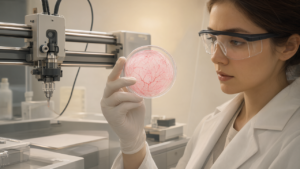
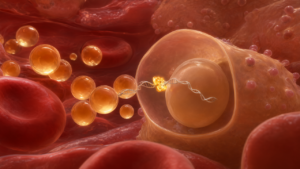
CRISPR gene editing technology has made dramatic strides in treating genetic diseases, with approved therapies already available for some conditions. This technology’s ability to precisely modify specific genes enables fundamental correction of disease causes previously considered untreatable. Meanwhile, regenerative medicine and stem cell therapies aim to restore function to damaged tissues and organs. For example, in heart failure, stem cells are being introduced into cardiac muscle to improve heart function, and in Parkinson’s disease, transplantation of iPSC-derived dopamine neurons shows potential for symptom amelioration. Even in neurodegenerative diseases like ALS, stem cells are being investigated for their neuroprotective and anti-inflammatory effects. The FDA’s Regenerative Medicine Advanced Therapy (RMAT) designation and Fast Track pathways are crucial regulatory tools accelerating these promising regenerative medicine programs, supporting rapid clinical trials and market entry in areas with high unmet medical needs.
Background & Context
Healthcare technology continues to expand its scope, from intervention at the genetic level to repair at the cellular and tissue level. The aging global population and increasing prevalence of chronic diseases create a strong demand for more effective and curative treatments, which innovative technologies like CRISPR and regenerative medicine aim to address. Regulatory authorities, recognizing the potential benefits of these cutting-edge technologies, are providing flexible approval pathways that facilitate development while ensuring appropriate safety measures. This collaborative environment ensures that laboratory discoveries reach patient bedsides more swiftly.
Strategic Significance & Outlook
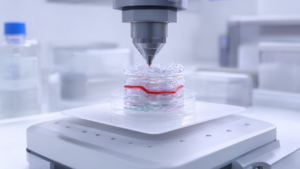
In the coming years, CRISPR gene editing and regenerative medicine are expected to play an even more central role in healthcare. CRISPR technology is anticipated to be applied to a broader range of genetic diseases, cancers, and viral infections, with a focus on minimizing off-target effects and optimizing delivery methods. Regenerative medicine will evolve beyond cell transplantation to include tissue engineering and bioprinting, leading to the reconstruction of more complex tissues and organs. The progress of these technologies will accelerate the realization of ‘precision medicine’ tailored to individual patient genetic backgrounds and disease states, holding the potential to fundamentally improve human health and quality of life.
Get our weekly technology intelligence — free
Receive an infographic that lets you judge at a glance whether each field’s analysis report is worth reading.
Subscribe Free — Weekly Tech Intelligence
By subscribing, you’ll receive Troy-Technical’s weekly technology intelligence newsletter.
- Your email and selected fields are used only to deliver the newsletter.
- We never share your information with third parties.
- You can unsubscribe anytime via the link in each email.
See our Privacy Policy for details.
Takes about a minute · Unsubscribe anytime