Key Findings
The U.S. Department of Energy’s (DOE) Loan Programs Office (LPO) is providing comprehensive financial and policy frameworks to accelerate the adoption of clean hydrogen technologies across the United States. This multi-faceted approach aims to facilitate the energy transition, particularly in hard-to-abate sectors such as heavy industry and long-haul transportation, thereby establishing a critical pathway towards achieving a net-zero economy by 2050.
Technical / Clinical Details
The DOE defines clean hydrogen through several production pathways, primarily including:
- Green Hydrogen: Produced by electrolyzing water using carbon-free electricity sources such as nuclear, wind, and solar power. This method results in near-zero greenhouse gas emissions during the production process.
- Low-Carbon Intensity Hydrogen: Produced via steam methane reforming of fossil fuels like natural gas, with the resulting carbon dioxide captured and stored (CCS), significantly reducing the overall carbon intensity of the production process. This is often referred to as “blue hydrogen.”
The LPO offers financing for these clean hydrogen production projects, as well as for associated infrastructure initiatives supporting hydrogen storage, transport, and end-use. The applications for hydrogen are extensive and include:
- Industrial Fuels and Feedstocks: Utilization as a fuel alternative and feedstock in heavy industries such as steelmaking, chemical production (ammonia, methanol), and cement manufacturing.
- Power Generation: Hydrogen co-firing in gas turbines for electricity generation and stationary fuel cells.
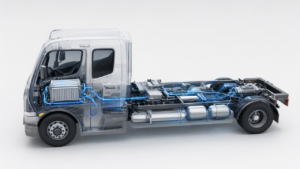
- Transportation: Powering fuel cell electric vehicles (FCEVs), heavy-duty trucks, maritime vessels, and aircraft.
These projects are also aligned with the DOE’s “Hydrogen Shot” initiative, which aims to reduce the cost of clean hydrogen to $1 per kilogram within a decade, driving down costs and fostering technological innovation.
Background & Context
The United States has positioned clean hydrogen as a national priority for both climate change mitigation and energy security. The Bipartisan Infrastructure Law (BIL) of 2021 allocated $8 billion for a hydrogen hub funding program to establish multiple regional clean hydrogen hubs across the nation. Furthermore, the Inflation Reduction Act (IRA) of 2022 introduced a groundbreaking clean hydrogen production tax credit (PTC), offering up to $3 per kilogram, which provides a powerful economic incentive for the commercialization of clean hydrogen. These federal initiatives are designed to stimulate private investment and strengthen the entire domestic clean hydrogen supply chain.
Strategic Significance & Outlook
The comprehensive support from the DOE, coupled with the substantial funding from the Bipartisan Infrastructure Law and the Inflation Reduction Act, is expected to bring unprecedented momentum to the U.S. clean hydrogen market. The establishment of hydrogen hubs and tax credits will significantly reduce clean hydrogen production costs, enhancing its market competitiveness. This is anticipated to lead to widespread adoption of clean hydrogen across various industrial sectors, establishing it as an indispensable energy carrier in the transition to a net-zero economy by 2050. Through these efforts, the United States will further solidify its role as a global leader in clean energy technology development and deployment, paving the way for a sustainable future.
Source: https://www.energy.gov/edf/clean-hydrogen-projects
Get our weekly technology intelligence — free
Receive an infographic that lets you judge at a glance whether each field’s analysis report is worth reading.
Subscribe Free — Weekly Tech Intelligence
By subscribing, you’ll receive Troy-Technical’s weekly technology intelligence newsletter.
- Your email and selected fields are used only to deliver the newsletter.
- We never share your information with third parties.
- You can unsubscribe anytime via the link in each email.
See our Privacy Policy for details.
Takes about a minute · Unsubscribe anytime