Key Findings
Capricor Therapeutics has announced it will present groundbreaking clinical data on Deramiocel, its lead cell therapy candidate for Duchenne Muscular Dystrophy (DMD), at the Parent Project Muscular Dystrophy (PPMD) 2026 Annual Conference. The presentation will include positive five-year long-term follow-up data from the HOPE-2 Open-Label Extension (OLE) study, alongside pivotal results from the HOPE-3 Phase 3 clinical trial. These data are expected to further substantiate Deramiocel’s potential to slow the progression of DMD and preserve cardiac and skeletal muscle function, generating considerable anticipation within the DMD community.
Technical & Clinical Details
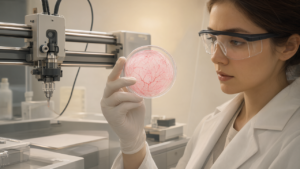
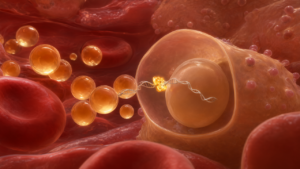
Deramiocel is a unique cell therapy product composed of allogeneic cardiosphere-derived cells (CDCs) that are purified and expanded from cardiac tissue. The therapy aims to address the progressive muscle degeneration and fibrosis characteristic of DMD. These cells are suggested to exert their therapeutic effects through paracrine mechanisms, secreting factors that promote anti-inflammatory, anti-fibrotic, pro-angiogenic, and endogenous repair processes. The five-year data from the HOPE-2 OLE study indicate a sustained benefit in slowing the deterioration of cardiac function and reducing the rate of decline in skeletal muscle function in patients. The HOPE-3 Phase 3 trial, a larger pivotal study, is crucial for establishing Deramiocel’s definitive efficacy, safety, and clinical significance. These collective trial data could position Deramiocel as the first approved cell therapy capable of altering the trajectory of DMD and improving patients’ quality of life.
Background & Context
Duchenne Muscular Dystrophy is a devastating X-linked genetic disorder primarily affecting boys, characterized by a deficiency in the dystrophin protein, leading to progressive muscle weakness and degeneration. Cardiomyopathy is a leading cause of mortality in DMD patients, making cardiac function preservation critically important. Current DMD treatment options are limited; while steroid therapies and some gene therapies have received approval, none completely halt disease progression. Cell therapies like Deramiocel, by intervening in the fundamental pathophysiology of muscle damage, offer the potential for benefits beyond conventional treatments and represent a significant advance in the high unmet medical need area of DMD.
Strategic Significance & Outlook
The presentation of Deramiocel’s data at the PPMD 2026 Annual Conference will be a significant milestone for Capricor Therapeutics. Positive results from the HOPE-3 trial would bolster regulatory submissions and substantially increase the likelihood of Deramiocel’s approval as a new therapeutic option for DMD patients. The long-term HOPE-2 OLE data will underscore the durability of this therapy and its sustained benefits in maintaining cardiac and skeletal muscle function, offering considerable hope to DMD patients and their families. Capricor’s potential success could also open avenues for applying cell therapies to other muscular dystrophies and cardiac conditions, fostering broader innovation across the regenerative medicine landscape. Future focus will be on the FDA (and other regulatory bodies’) review processes and post-market patient access.
Get our weekly technology intelligence — free
Receive an infographic that lets you judge at a glance whether each field’s analysis report is worth reading.
Subscribe Free — Weekly Tech Intelligence
By subscribing, you’ll receive Troy-Technical’s weekly technology intelligence newsletter.
- Your email and selected fields are used only to deliver the newsletter.
- We never share your information with third parties.
- You can unsubscribe anytime via the link in each email.
See our Privacy Policy for details.
Takes about a minute · Unsubscribe anytime