Key Findings
In June 2026, China’s National Medical Products Administration (NMPA) granted approval for satricabtagene autoleucel (satri-cel), a CAR T-cell therapy developed by CARsgen Therapeutics, for the treatment of Claudin18.2 (CLDN18.2)-positive advanced gastric and gastroesophageal junction adenocarcinoma. This historic decision marks the world’s first regulatory approval for a CAR T-cell therapy specifically targeting solid tumors, ushering in a new era of immunotherapy for notoriously difficult-to-treat cancers.
Technical & Clinical Details
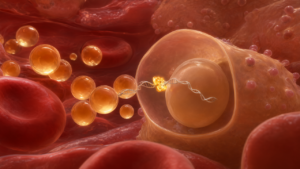
Satri-cel is an autologous CAR T-cell therapy designed to engineer a patient’s own T cells to express a chimeric antigen receptor (CAR) that specifically recognizes and attacks cancer cells expressing the CLDN18.2 protein. CLDN18.2 is a cell surface protein frequently expressed in various solid tumors, including gastric and pancreatic cancers, making it a promising therapeutic target. The approval is based on clinical trials conducted in China, which demonstrated promising response rates and durable efficacy in patients with advanced gastric cancer refractory to conventional therapies. The safety profile was also deemed manageable. While CAR T-cell therapies have shown remarkable success in hematologic malignancies, solid tumors present unique challenges such as the immunosuppressive tumor microenvironment and heterogeneous antigen expression, making this approval a significant step towards overcoming these hurdles.
Background & Context
Gastric cancer remains one of the leading causes of cancer-related deaths globally, with limited treatment options, especially for advanced or metastatic disease. Conventional chemotherapy, targeted therapies, and immune checkpoint inhibitors have shown limited efficacy, underscoring the urgent need for novel therapeutic approaches. CAR T-cell therapy, despite its transformative impact on blood cancers, has faced numerous obstacles in solid tumors, including identifying appropriate targets, ensuring T-cell infiltration into tumors, and overcoming the immunosuppressive tumor microenvironment. Satri-cel’s approval demonstrates that some of these challenges can be overcome, highlighting the potential for CAR T-cell therapy to become a viable option for solid tumors. China’s pioneering approval in this field underscores its growing leadership in biopharmaceutical innovation.
Strategic Significance & Outlook
The NMPA’s approval of satri-cel in China will likely provide a strong impetus for researchers and pharmaceutical companies worldwide to accelerate their development efforts for CAR T-cell therapies against solid tumors. A surge in the development of CLDN18.2-targeting therapies is particularly anticipated. Future focus will be on the long-term efficacy and safety of satri-cel, as well as its potential for expanded indications in other CLDN18.2-positive solid tumors. Regulatory approvals in major markets like the U.S. and Europe are expected to follow, with clinical data requirements and manufacturing quality remaining key considerations. Satri-cel’s success offers new hope for solid tumor patients and heralds a potential paradigm shift in cancer immunotherapy research and development.
Get our weekly technology intelligence — free
Receive an infographic that lets you judge at a glance whether each field’s analysis report is worth reading.
Subscribe Free — Weekly Tech Intelligence
By subscribing, you’ll receive Troy-Technical’s weekly technology intelligence newsletter.
- Your email and selected fields are used only to deliver the newsletter.
- We never share your information with third parties.
- You can unsubscribe anytime via the link in each email.
See our Privacy Policy for details.
Takes about a minute · Unsubscribe anytime