Key Findings
In June 2026, the U.S. Food and Drug Administration (FDA) made several significant decisions regarding new drug approvals and expanded indications within the oncology landscape. A highlight was the approval of Gilead Sciences’ antibody-drug conjugate (ADC), sacituzumab govitecan-hziy (brand name: Trodelvy), for two first-line treatment indications in metastatic triple-negative breast cancer (mTNBC). This approval marks a crucial advancement, offering new standard-of-care options and potentially improving outcomes for mTNBC patients.
Technical / Clinical Details
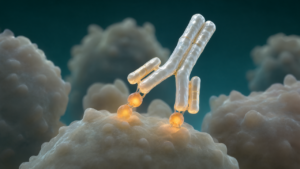
Trodelvy is an ADC targeting the TROP2 antigen, linked to SN-38, a topoisomerase I inhibitor. Its approval was based on compelling clinical trial data demonstrating significantly prolonged progression-free survival (PFS) and overall survival (OS) in previously untreated mTNBC patients, compared to a placebo arm. Response rates showed marked improvement, and severe adverse events were reported as manageable. Additionally, June saw the approval of AstraZeneca’s combination therapy of capivasertib with abiraterone for PTEN-deficient metastatic prostate cancer, and a tyrosine kinase inhibitor for specific renal cell carcinoma, further solidifying the trajectory towards precision oncology.
Background & Context
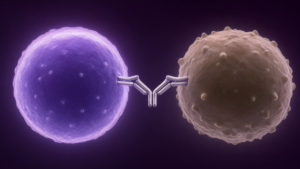
Antibody-drug conjugates (ADCs) represent a rapidly advancing class of next-generation cancer therapeutics, designed to deliver potent cytotoxic agents directly to tumor cells, thereby enhancing anti-tumor efficacy while mitigating systemic side effects. Trodelvy’s approval in a first-line setting signifies the growing establishment of ADCs as powerful modalities that can replace or complement existing treatments. TNBC, in particular, is an aggressive subtype with limited treatment options and a poor prognosis, making this approval highly impactful. The broader pharmaceutical industry is accelerating its shift towards biomarker-driven personalized medicine, and FDA regulatory actions reflect this trend.
Strategic Significance & Outlook
This approval for Trodelvy has the potential to significantly alter the treatment paradigm for patients with mTNBC. Future developments are expected to include expanded indications based on TROP2 expression in other solid tumors, as well as the exploration of combination therapies with other anti-cancer agents. ADC technology continues to evolve through optimization of linkers, payloads, and antibodies, suggesting that numerous new ADC candidates will emerge in clinical development. These advancements promise to further precision oncology and significantly improve therapeutic outcomes for patients battling challenging cancers.
Source: https://www.targetedonc.com/view/june-2026-in-oncology-a-look-back-at-fda-approvals-and-decisions
Get our weekly technology intelligence — free
Receive an infographic that lets you judge at a glance whether each field’s analysis report is worth reading.
Subscribe Free — Weekly Tech Intelligence
By subscribing, you’ll receive Troy-Technical’s weekly technology intelligence newsletter.
- Your email and selected fields are used only to deliver the newsletter.
- We never share your information with third parties.
- You can unsubscribe anytime via the link in each email.
See our Privacy Policy for details.
Takes about a minute · Unsubscribe anytime