Key Findings
As reported by KATU News, an experimental gene therapy, inspired by Professor Shinya Yamanaka’s Nobel Prize-winning research on induced pluripotent stem cells (iPSCs), is targeting senescent cells. This therapy aims to ‘reprogram’ mature cells into a more youthful state, thus opening new horizons in aging research and the treatment of age-related diseases. Early-phase human clinical trials for age-related eye conditions, including glaucoma, have now commenced.
Technical / Clinical Details
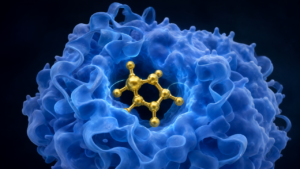
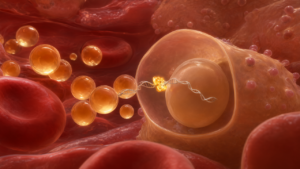
This gene therapy employs an approach that partially ‘resets’ mature cells in the body by transiently expressing specific transcription factors known as Yamanaka factors (Oct4, Sox2, Klf4, c-Myc). This process is expected to rewind the cellular aging clock, restoring functions that have deteriorated with age. Specifically, these factors are delivered to the target tissue (e.g., the eye) using adeno-associated virus (AAV) vectors to induce cellular reprogramming. Preclinical studies have demonstrated that this reprogramming reduces inflammation in aged tissues, improves mitochondrial function, and rejuvenates cellular metabolism. In current early-stage human clinical trials, the gene therapy is administered via intravitreal injection to glaucoma patients, assessing its safety, tolerability, and initial efficacy indicators such as improvement in intraocular pressure and optic nerve protection. The technology aims to achieve partial rejuvenation without fully dedifferentiating cells, which carries a higher risk of tumorigenesis.
Background & Context
Aging is the single largest risk factor for many major age-related diseases, including cancer, neurodegenerative disorders, cardiovascular diseases, and glaucoma. Existing treatments typically manage individual disease symptoms but do not target the fundamental processes of aging. Professor Shinya Yamanaka’s iPSC research demonstrated the potential to fundamentally rewrite cell fate, revolutionizing regenerative medicine. This gene therapy applies the core concept of ‘cellular reprogramming,’ central to iPSC technology, to therapeutic contexts. This has spurred the rapid development of a new field called ‘Geroscience,’ which focuses on treating aging itself as a therapeutic target. This approach holds the potential to prevent or delay the onset of multiple age-related diseases by slowing aging, rather than treating a single condition.
Strategic Significance & Outlook
The success of the early clinical trials for glaucoma could pave the way for applying this gene therapy to other age-related conditions, such as macular degeneration, Alzheimer’s disease, Parkinson’s disease, and heart failure. Future clinical development will critically evaluate the long-term safety and durability of the rejuvenation effects. Further research will also be needed to control and optimize the cellular reprogramming techniques. If successful, this technology could represent one of the most transformative advancements in modern medicine, with the potential to dramatically extend health span and reduce age-related suffering, fundamentally changing human quality of life. Investment and research in this field are expected to accelerate significantly.
Source: https://www.youtube.com/watch?v=rAQWcSCrsJ4
Get our weekly technology intelligence — free
Receive an infographic that lets you judge at a glance whether each field’s analysis report is worth reading.
Subscribe Free — Weekly Tech Intelligence
By subscribing, you’ll receive Troy-Technical’s weekly technology intelligence newsletter.
- Your email and selected fields are used only to deliver the newsletter.
- We never share your information with third parties.
- You can unsubscribe anytime via the link in each email.
See our Privacy Policy for details.
Takes about a minute · Unsubscribe anytime