Key Findings
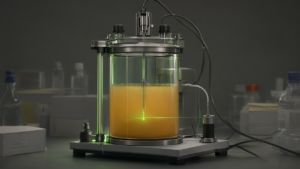
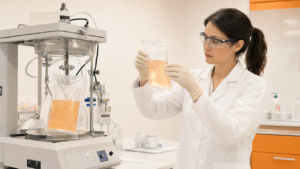
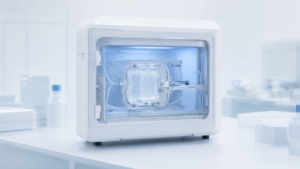
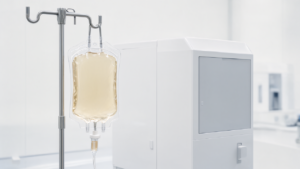
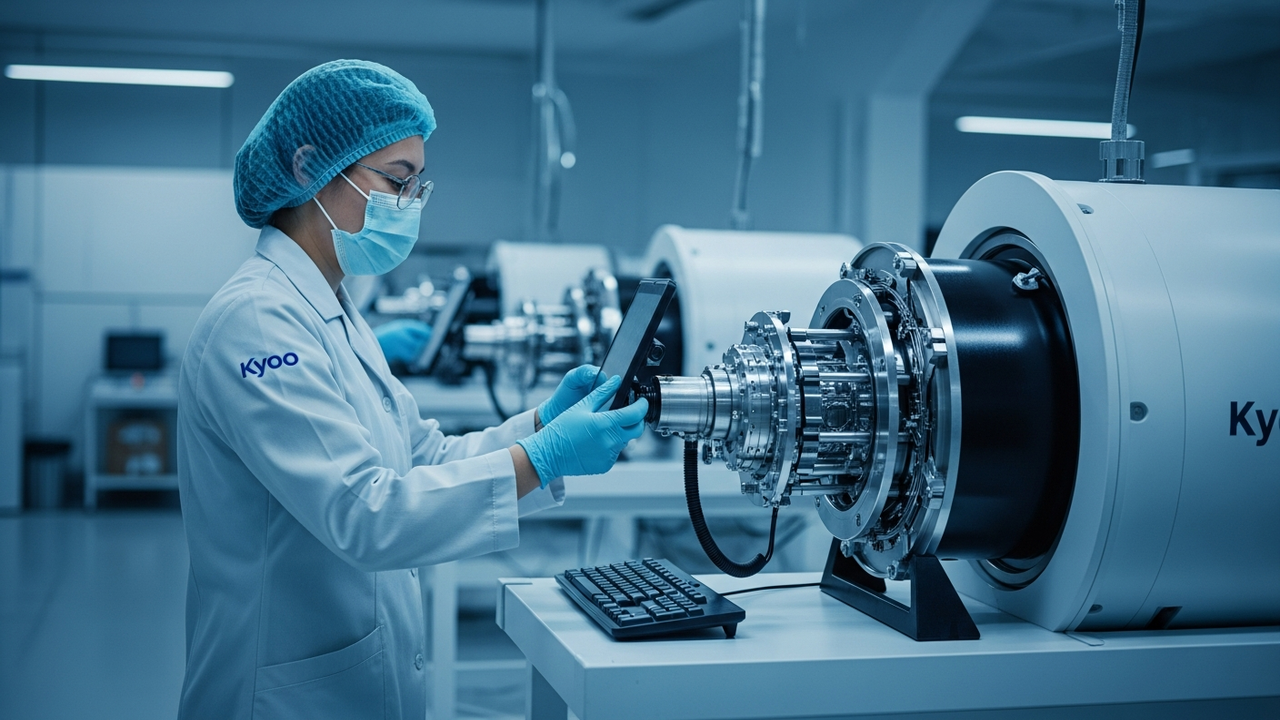
KyooBe Tech announced significant progress in a new, rapid method for vaccine development that leverages low-energy electron beam irradiation (LEEI) for pathogen inactivation. This innovative technology is capable of processing up to 300 mL of liquid per hour, with plans underway to scale up to 100 liters per hour. LEEI technology holds broad application potential, including distributed vaccine production and viral inactivation in cell culture media within the Cell and Gene Therapy (CGT) sector.
Technical and Clinical Details
LEEI technology offers several key advantages compared to conventional pathogen inactivation methods involving heat, chemicals, or high-energy radiation. Low-energy electron beams inactivate pathogens by damaging their genetic material (DNA or RNA) while largely preserving their surface structures and antigenicity, which is crucial for maintaining vaccine immunogenicity. The current processing capacity of 300 mL per hour is already practical for research and small-scale production, and the anticipated scale-up to 100 liters per hour would open pathways to medium- to large-scale commercial production. This technology is expected to be particularly effective for heat-labile antigens and viruses that are difficult to inactivate chemically. In the CGT field, LEEI can be utilized for inactivating potential viral contaminants in cell culture media, thereby enhancing product safety. Compared to traditional filtration or autoclaving, LEEI can remove viruses without compromising media components, improving the robustness of the culture process.
Background and Industry Context
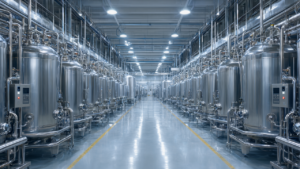
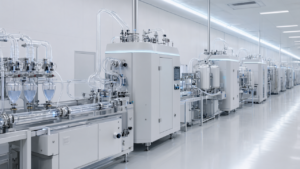
In times of emergency, such as pandemics, vaccine manufacturing demands rapid and large-scale production capabilities. However, conventional manufacturing methods are often time-consuming and rely on centralized large-scale facilities, making them prone to supply bottlenecks. Distributed vaccine production is a promising strategy to respond quickly to regional demands and reduce supply chain vulnerabilities. Furthermore, ensuring the safety of CGT products is paramount, and viral contamination during the cell culture process poses a significant risk. LEEI technology is garnering attention as an innovative solution to address these challenges. Beyond pharmaceuticals, this technology holds potential applications in various sectors, including food safety and sterilization processes.
Strategic Significance and Outlook
The advancement of KyooBe Tech’s LEEI technology is poised to significantly impact vaccine manufacturing and the CGT sector. Successful scale-up to 100 liters per hour would accelerate the realization of distributed vaccine manufacturing models, enabling communities to possess their own vaccine production capabilities. This would facilitate faster and more flexible responses to pandemics or regional outbreaks. In the CGT field, LEEI is expected to become a standard method for viral inactivation in cell culture media, further enhancing product safety. Future clinical trials will be crucial to validate the safety and efficacy of LEEI-inactivated vaccines and secure regulatory approvals. This technology holds the potential to play a vital role in protecting public health and advancing innovative therapies.
Source: https://www.biospace.com/press-releases/kyoobe-tech-advances-new-method-for-vaccine-development
Get our weekly technology intelligence — free
Receive an infographic that lets you judge at a glance whether each field’s analysis report is worth reading.
Subscribe Free — Weekly Tech Intelligence
By subscribing, you’ll receive Troy-Technical’s weekly technology intelligence newsletter.
- Your email and selected fields are used only to deliver the newsletter.
- We never share your information with third parties.
- You can unsubscribe anytime via the link in each email.
See our Privacy Policy for details.
Takes about a minute · Unsubscribe anytime