Key Findings
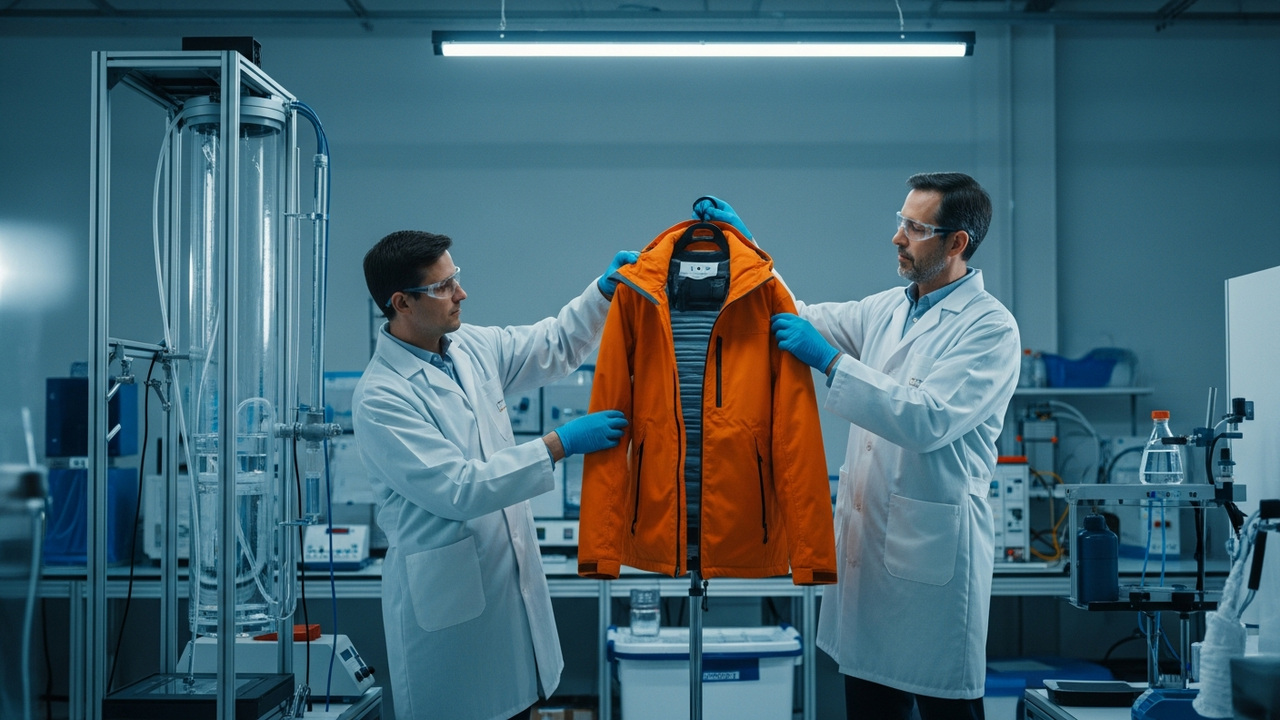
Engineers have developed an innovative material that efficiently collects atmospheric moisture, capable of generating up to 30 ounces (approximately 900ml) of drinking water per day. By incorporating this new material, a ‘water-harvesting jacket’ has been produced, allowing wearers to hydrate on the go. This represents a groundbreaking advancement, opening new avenues for securing water in arid regions and during emergencies, as well as for outdoor activities.
Technical / Clinical Details
At the core of this water-harvesting technology is a special porous material designed to efficiently adsorb and condense water vapor from the air. This material captures water vapor in response to changes in ambient humidity and then releases the condensed water using minimal thermal energy from sources like sunlight or body heat. The research team optimized this adsorption-desorption cycle, achieving high energy efficiency and water collection efficiency.
The developed water-harvesting jacket integrates this adsorbent material, leveraging the wearer’s movement and ambient environmental conditions (temperature, humidity) to facilitate the water collection process. The collected water passes through a filtration system, making it potable. Because this system does not heavily rely on external power supply, it is particularly suitable for remote areas or locations with limited power infrastructure. Laboratory tests demonstrated its capability to produce approximately 900ml of drinking water per day even in relatively dry environments (around 30% relative humidity).
Background & Context
Access to clean drinking water remains a significant challenge globally, particularly in arid regions, disaster-stricken areas, or during extended outdoor activities, where securing a safe water source is a critical life-or-death issue. Conventional water purification technologies often depend on the presence of a water source or energy supply, making them not suitable for all scenarios. ‘Atmospheric Water Generation (AWG)’ technology, which directly collects moisture from the air, has garnered attention as a promising approach to solve this challenge.
The development of this water-harvesting jacket represents a pioneering advancement in applying AWG technology to wearable devices. This aligns with the US government’s focus on water resource security and new technology development. Such technology holds potential applications across a wide range of fields, including humanitarian aid, military operations, and recreation.
Strategic Significance & Outlook
This water-harvesting jacket offers an innovative solution to the challenge of securing drinking water. Moving forward, the research team will likely focus on further enhancing the material’s water collection capacity, reducing the jacket’s weight and improving comfort, and researching the long-term durability of the filtration system. In the future, by integrating this technology into other wearable devices and outdoor gear such as tents and backpacks, a broader range of hydration solutions could be provided. This is expected to be a groundbreaking product that improves the lives of people in water-scarce regions and for outdoor enthusiasts and emergency responders globally.
Get our weekly technology intelligence — free
Receive an infographic that lets you judge at a glance whether each field’s analysis report is worth reading.
Subscribe Free — Weekly Tech Intelligence
By subscribing, you’ll receive Troy-Technical’s weekly technology intelligence newsletter.
- Your email and selected fields are used only to deliver the newsletter.
- We never share your information with third parties.
- You can unsubscribe anytime via the link in each email.
See our Privacy Policy for details.
Takes about a minute · Unsubscribe anytime