Key Findings
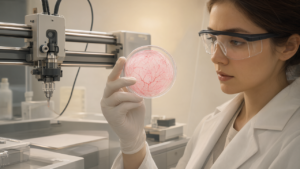
A team of scientists at the University of Southern California (USC) has developed a groundbreaking stem cell-inspired technology, enabling the virtually limitless cultivation of immune cell precursors. These engineered cells possess a potent ability to specifically target cancer cells and significantly enhance immune responses. This breakthrough holds the potential to dramatically improve the scalability and accessibility of existing cancer immunotherapies, particularly CAR T-cell therapy, which has been constrained by challenges in cell supply.
Technical / Clinical Details
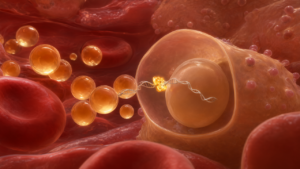
The novel technology leverages the unique properties of induced pluripotent stem cells (iPSCs), which possess the theoretical capacity for infinite proliferation and differentiation into any cell type in the body. The research team successfully established specific culture conditions to efficiently induce iPSCs to differentiate into precursors that can mature into powerful anti-cancer immune cells, such as Natural Killer (NK) cells and T-cells. Preclinical studies in multiple animal models demonstrated that these iPSC-derived immune cell precursors could expand and mature within the host, effectively recognizing and eliminating cancer cells within the tumor microenvironment. Furthermore, early indications suggest these cells may form immune memory, potentially offering long-term protection against cancer recurrence. This ‘off-the-shelf’ platform holds significant promise, as it standardizes the manufacturing process and bypasses the high costs and lengthy production times associated with individualized CAR T-cell therapies, enabling faster delivery of treatments to a larger patient population.
Background & Context
Cancer immunotherapies, particularly CAR T-cell therapies, have achieved remarkable success in treating certain hematological malignancies. However, these therapies typically require genetic modification of a patient’s own T-cells, leading to complex and expensive manufacturing processes that can take several weeks. These factors limit patient access, especially for those with aggressive disease progression. iPSC-derived, off-the-shelf immune cells are garnering significant attention as a promising approach to overcome these limitations, aiming to provide a universal and scalable cell source that can be mass-produced and administered to various patients. USC’s achievement marks a significant milestone in this field, poised to accelerate the development of next-generation cancer immunotherapies.
Strategic Significance & Outlook
This iPSC-derived immune cell precursor technology is expected to advance into human clinical trials. Initial trials will likely focus on evaluating the safety profile and efficacy in solid tumors. If successful, this technology could offer new therapeutic options for a broader range of cancers, including challenging solid tumors, beyond leukemias and lymphomas. The long-term objective is to provide a ‘living drug’ capable of continuously monitoring and attacking cancer within the patient’s body, potentially fundamentally altering the cancer treatment paradigm. Moreover, this versatile platform could also be adapted for developing cell therapies for other diseases, such as autoimmune disorders and infectious diseases, broadening its impact on medicine.
Source: https://www.sciencedaily.com/releases/2026/06/260620100317.htm
Get our weekly technology intelligence — free
Receive an infographic that lets you judge at a glance whether each field’s analysis report is worth reading.
Subscribe Free — Weekly Tech Intelligence
By subscribing, you’ll receive Troy-Technical’s weekly technology intelligence newsletter.
- Your email and selected fields are used only to deliver the newsletter.
- We never share your information with third parties.
- You can unsubscribe anytime via the link in each email.
See our Privacy Policy for details.
Takes about a minute · Unsubscribe anytime