Key Findings
Forbes magazine has reported on Cedars-Sinai Hospital’s pioneering initiative, spanning over a decade, to directly integrate vast amounts of data collected from wearable biosensors into its Electronic Health Records (EHR) system. The core focus of this ambitious project is not merely to aggregate data, but to develop clinical workflows where this information is genuinely useful to clinicians without imposing additional operational burden.
Technical/Clinical Details
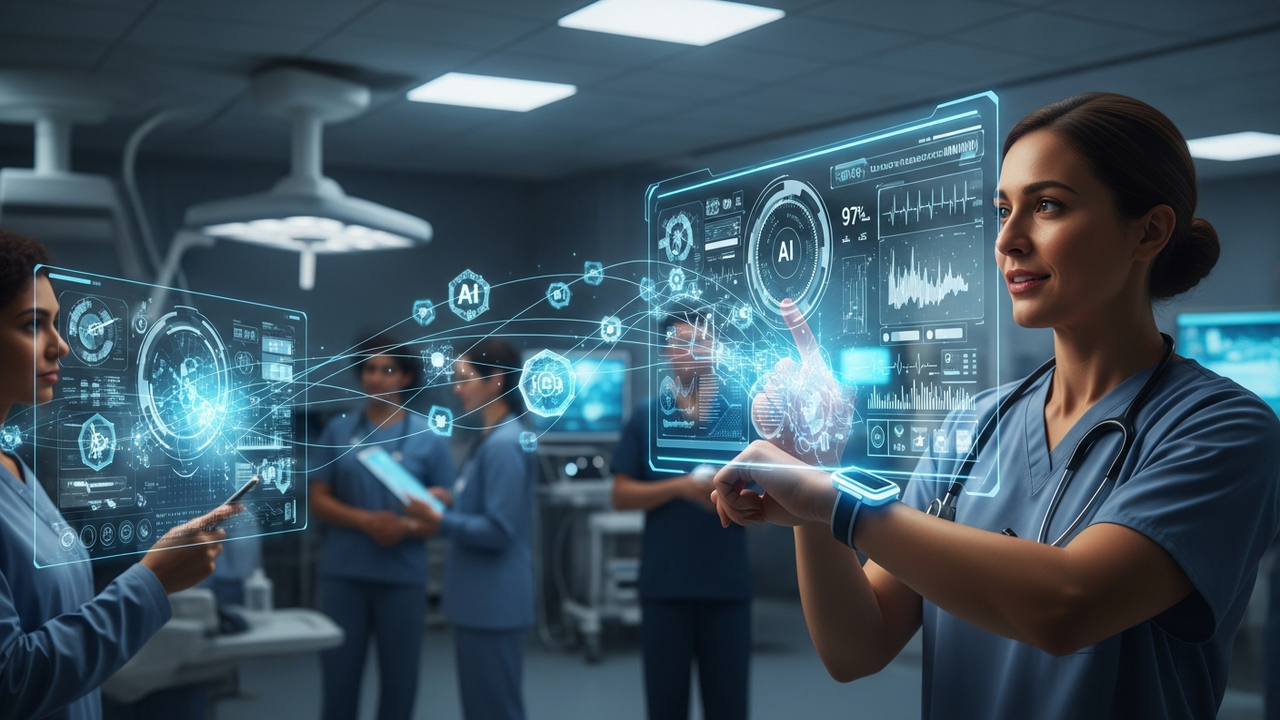
Cedars-Sinai’s efforts center on building a system that automatically incorporates vital signs and physiological data from various wearable biosensors (e.g., heart rate monitors, activity trackers, sleep trackers, continuous glucose monitors) worn by patients into their EHRs. This enables clinicians to gain a comprehensive and chronological understanding of a patient’s health status. However, an oversupply of raw data can lead to ‘alert fatigue’ and information overload for clinicians. This is where AI and machine learning algorithms play a critical role. AI analyzes complex data patterns to automatically identify anomalies, potential risks, or trends requiring intervention. For instance, it can detect subtle changes such as irregular heartbeats or sudden drops in activity levels that might indicate patient deterioration, presenting these as prioritized ‘actionable insights’ to clinicians. This allows clinicians to focus on the most critical information and intervene in a timely manner, ultimately improving patient outcomes.
Background & Context
The healthcare industry faces mounting challenges, including increasing patient populations and the management of chronic diseases, while also grappling with escalating healthcare provider burnout. Wearable technology offers the potential for continuous patient health monitoring outside the hospital setting, but transforming this data into clinically meaningful information and seamlessly integrating it into existing healthcare systems has been a significant barrier. Cedars-Sinai’s endeavor serves as a model for this integration, offering a practical approach to enhance patient-centric care while streamlining healthcare provider workflows.
Strategic Significance & Outlook
The integration of wearable data with EHRs and intelligent data analysis by AI will be indispensable in shaping the future of healthcare. In the future, these systems will further contribute to early disease prediction, the provision of personalized preventive strategies, and the enhancement of self-management capabilities for chronic disease patients. For widespread adoption of this technology, standardization of data interoperability, strengthening of cybersecurity, and ensuring the transparency and reliability of AI algorithms are crucial. Cedars-Sinai’s experience provides a valuable roadmap for other healthcare organizations seeking to implement similar digital health transformations.
Get our weekly technology intelligence — free
Receive an infographic that lets you judge at a glance whether each field’s analysis report is worth reading.
Subscribe Free — Weekly Tech Intelligence
By subscribing, you’ll receive Troy-Technical’s weekly technology intelligence newsletter.
- Your email and selected fields are used only to deliver the newsletter.
- We never share your information with third parties.
- You can unsubscribe anytime via the link in each email.
See our Privacy Policy for details.
Takes about a minute · Unsubscribe anytime