Key Findings
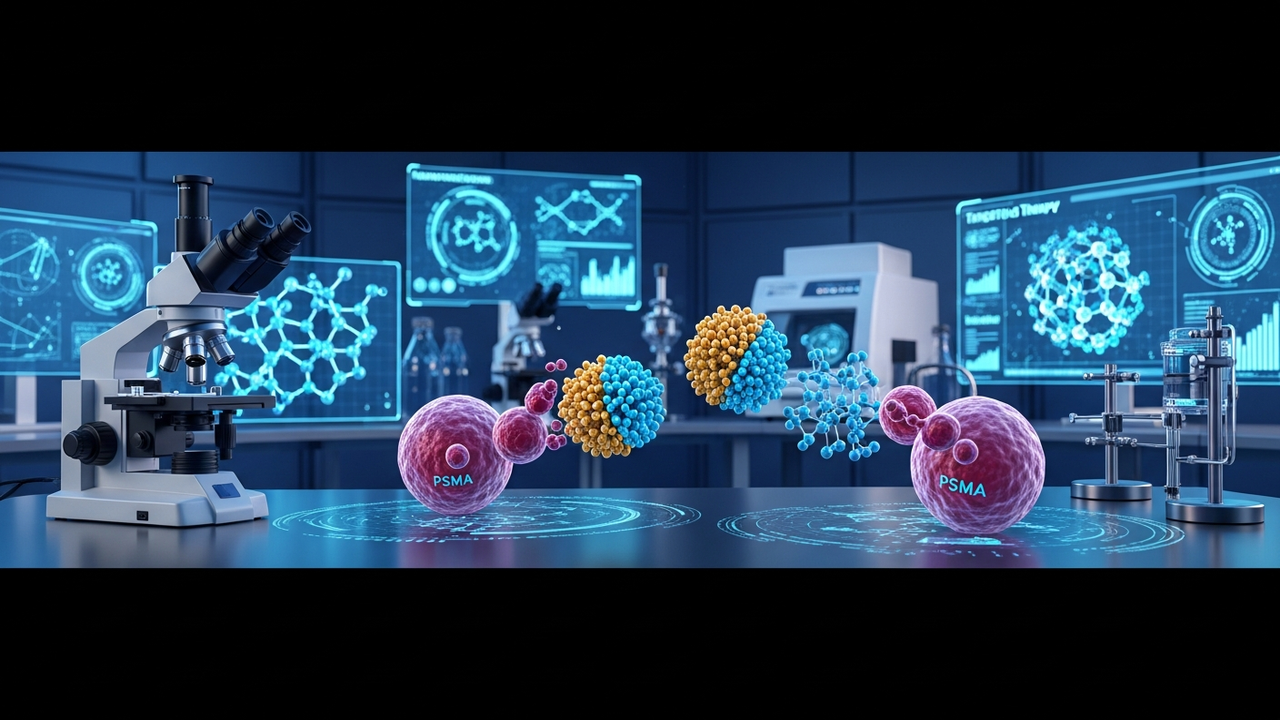
The application of multimodal nanomaterials is making significant strides in the field of prostate cancer (PCa) theranostics, which integrates diagnosis and therapy. These innovative nanomaterials provide a comprehensive and precise approach to PCa by enabling molecular imaging, biomarker detection, targeted drug delivery, the integration of diverse therapeutic modalities, and the assessment of treatment response, all on a single platform. Notably, nanoplatforms targeting prostate-specific membrane antigen (PSMA), which is highly expressed in PCa cells, are gaining prominence as representative systems for PCa theranostics due to their high specificity.
Technical and Development Details
- Functionality of Multimodal Nanomaterials: Multimodal nanomaterials integrate multiple functions into a single nanoparticle, enabling advanced medical applications not achievable with single-function nanomaterials. Key functions in PCa theranostics include:
- Molecular Imaging: Incorporating functional particles compatible with various imaging modalities such as fluorescence, MRI, CT, and PET, they contribute to early detection, staging, metastasis detection, and treatment planning for PCa. PSMA targeting allows for specific visualization of cancer cells.
- Biomarker Detection: These platforms also function as nanosensors capable of highly sensitive detection of trace PCa biomarkers in blood or urine (e.g., PSA, circulating tumor cells), aiding in improving diagnostic accuracy and monitoring treatment efficacy.
- Targeted Drug Delivery: Anticancer drugs or gene therapeutics are specifically delivered to PCa cells via PSMA. This reduces systemic side effects and maximizes drug concentration at the tumor site.
- Multimodal Therapy: By integrating multiple therapeutic modalities such as photothermal therapy, photodynamic therapy, radiation therapy, and chemotherapy into the same nanoplatform, synergistic therapeutic effects are aimed for. For example, PSMA-targeted nanoparticles loaded with photosensitizers and anticancer drugs can attack cancer through both laser irradiation and chemotherapy.
- Treatment Response Evaluation: Imaging capabilities embedded within the nanoplatform allow for real-time monitoring of tumor changes and drug accumulation post-treatment initiation, enabling objective assessment of therapeutic response. This allows for prompt adjustment of treatment plans.
- Importance of PSMA Targeting: PSMA is a protein highly expressed on the surface of PCa cells, with limited expression in normal tissues, making it a very attractive target for PCa diagnosis and treatment. Attaching PSMA-recognizing ligands (antibodies, small molecule ligands) to the nanoparticle surface achieves high selectivity and specificity for PCa cells.
Background and Industry Context
Prostate cancer is one of the most commonly diagnosed cancers in men, and early detection and personalized treatment strategies are key to improving prognosis. However, traditional diagnostic methods (PSA testing, biopsy) have limitations, and current treatments often come with significant side effects. Nanomedicine, particularly theranostics, is emerging as a cutting-edge approach to overcome these challenges and realize “precision medicine” based on the unique characteristics of each patient’s cancer. PSMA targeting is already progressing in clinical applications with small-molecule radiopharmaceuticals (e.g., PSMA-PET), and its application to nanomaterials further extends its scope.
Future Outlook
Research into multimodal nanomaterials for PCa theranostics is expected to advance rapidly. Key challenges will include ensuring long-term safety, stability, and scalability of manufacturing processes in vivo. In the future, these nanoplatforms are anticipated to be introduced into clinical practice, combining early and accurate PCa diagnosis, targeted minimally invasive therapy, and real-time monitoring. This integration is expected to dramatically improve treatment outcomes and significantly enhance patient quality of life. PSMA-targeted multimodal nanoplatforms will play a central role in the advancement of personalized medicine.
Get our weekly technology intelligence — free
Receive an infographic that lets you judge at a glance whether each field’s analysis report is worth reading.
Subscribe Free — Weekly Tech Intelligence
By subscribing, you’ll receive Troy-Technical’s weekly technology intelligence newsletter.
- Your email and selected fields are used only to deliver the newsletter.
- We never share your information with third parties.
- You can unsubscribe anytime via the link in each email.
See our Privacy Policy for details.
Takes about a minute · Unsubscribe anytime