Key Findings
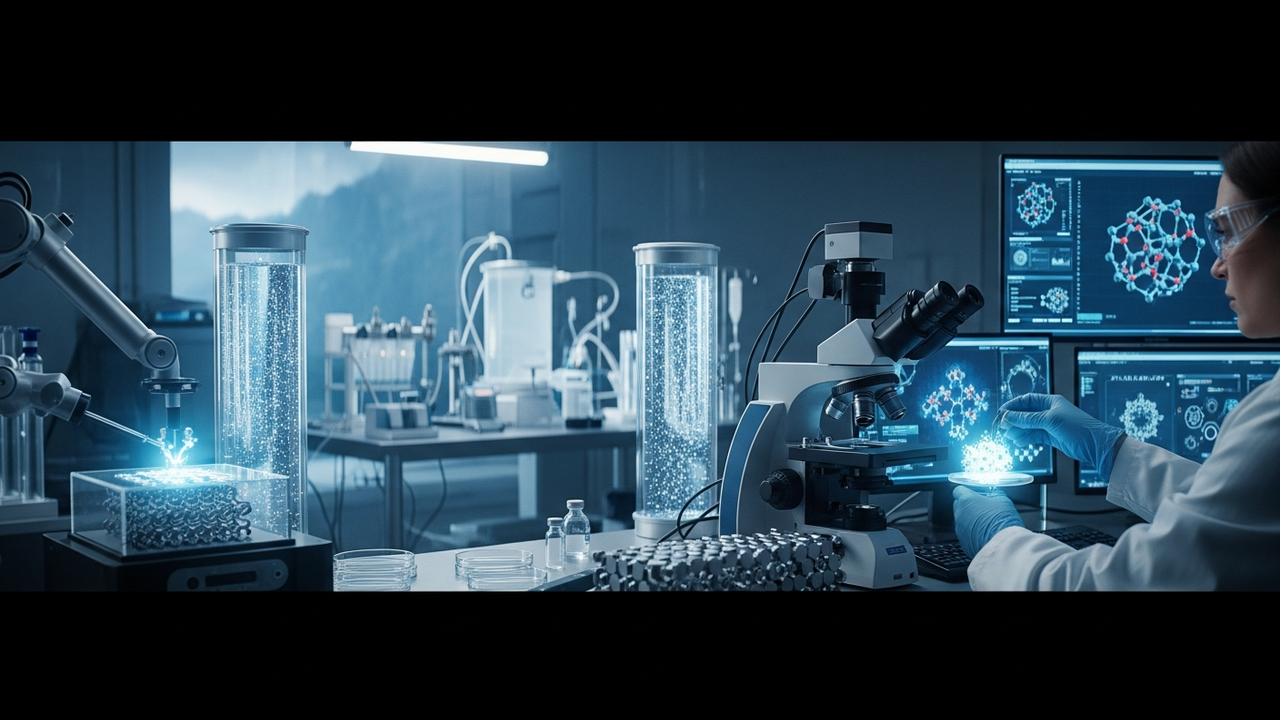
The EU-funded NESTOR project has successfully developed a new generation of smart magnetic nanozymes that balance high efficiency with biocompatibility. These innovative iron oxide-based nanozymes mimic the function of natural enzymes while possessing the unique capability to be easily guided and retrieved by external magnetic fields. This achievement holds the potential to significantly expand the application of nanotechnology in environmental remediation, biomedical diagnostics, and therapy.
Technical Details
Nanozymes are nanomaterials with catalytic activity similar to natural enzymes but offer advantages in stability, durability, and manufacturing cost compared to natural enzymes. The magnetic nanozymes developed in the NESTOR project feature an iron oxide core and precisely modified surfaces to enhance selectivity for specific reactions. Their magnetic properties allow for easy separation and retrieval after reactions using an external magnetic field, improving reusability. This not only enables efficient removal of catalysts after pollutant degradation in environmental remediation processes but also opens new therapeutic strategies in the medical field, such as targeted delivery of nanozymes to specific cells or tissues, controlling their activity with magnetic fields, or retrieving them from lesion sites. The project focuses on developing technologies to precisely predict and control the selectivity, robustness, reproducibility, and biological safety of these nanocatalysts in real-world environments.
Background and Industry Context
Modern society faces global challenges such as environmental pollution, complex diseases, and energy shortages, requiring the integration of innovative materials science and biotechnology to address them. While natural enzymes possess high catalytic activity, they suffer from low stability and high manufacturing costs. Conversely, traditional nanocatalysts offer high efficiency but raise concerns about biocompatibility and potential environmental impacts. The NESTOR project provides a new paradigm with magnetic nanozymes, achieving high efficiency without sacrificing biocompatibility. This demonstrates how nanotechnology can contribute to a clean planet and a healthy society.
Strategic Significance and Outlook
NESTOR project’s magnetic nanozymes are expected to find wide-ranging applications in environmental sectors, including water purification, soil remediation, and air purification. For example, they can efficiently contribute to the degradation of pharmaceuticals, removal of heavy metals, and inactivation of microorganisms. In the medical field, potential applications include biosensors for early cancer diagnosis, drug delivery systems, or therapeutics for specific enzyme deficiency disorders. The precise control capability via magnetic fields enables non-invasive therapeutic interventions and in vivo safety monitoring. Further preclinical research and safety evaluations are anticipated, with expectations that these smart nanozymes will eventually be established as new standard tools in both environmental and medical fields. EU research support will be a crucial driving force for this cutting-edge technology to deliver practical benefits to society.
Get our weekly technology intelligence — free
Receive an infographic that lets you judge at a glance whether each field’s analysis report is worth reading.
Subscribe Free — Weekly Tech Intelligence
By subscribing, you’ll receive Troy-Technical’s weekly technology intelligence newsletter.
- Your email and selected fields are used only to deliver the newsletter.
- We never share your information with third parties.
- You can unsubscribe anytime via the link in each email.
See our Privacy Policy for details.
Takes about a minute · Unsubscribe anytime