Key Findings
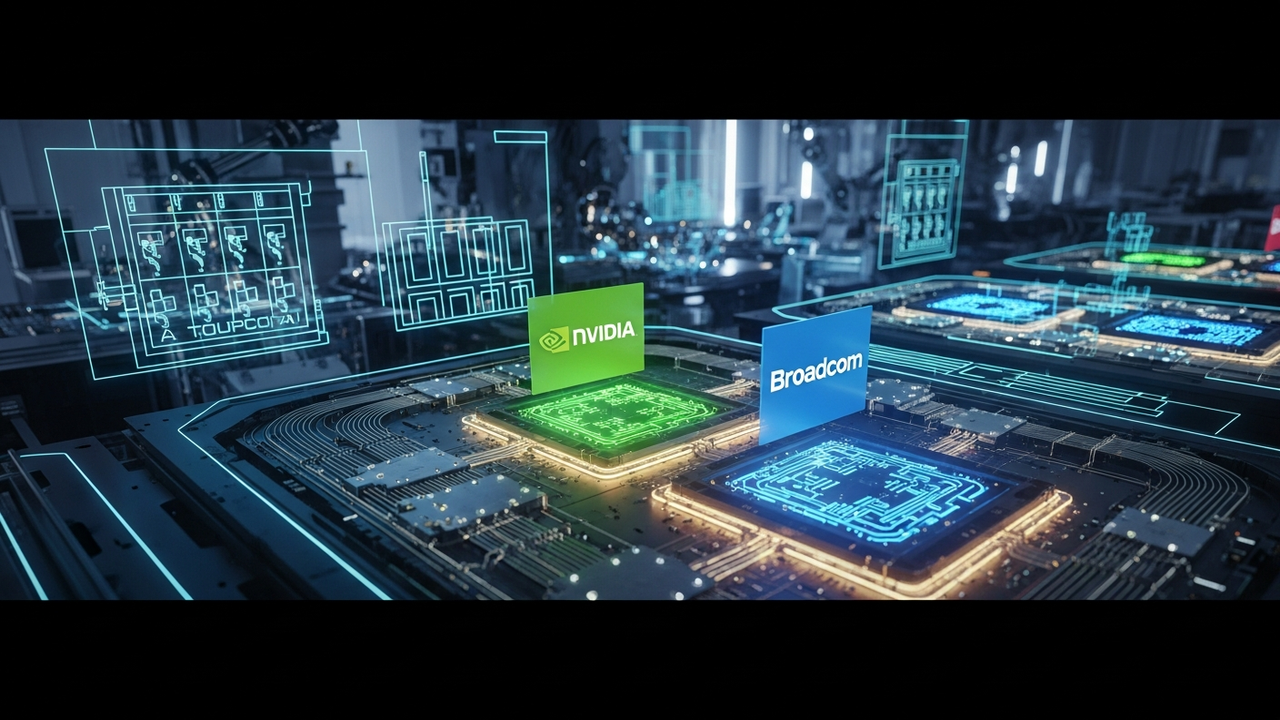
The Co-Packaged Optics (CPO) supply chain in 2026 is grappling with significant challenges and a highly concentrated market structure, largely dominated by NVIDIA and Broadcom. A primary constraint is the allocation of Taiwan Semiconductor Manufacturing Company’s (TSMC) advanced COUPE (Chip-on-Wafer-on-Substrate with Underfill and Epoxy) production capacity. This critical packaging technology is predominantly reserved for high-priority AI accelerators, creating a near-absence of an open market for standalone optical engines and thus limiting broader CPO adoption.
Technical / Clinical Details
- **Supply Concentration**: The CPO supply chain is currently heavily driven by NVIDIA and Broadcom, two industry titans. These companies are integrating CPO technology into their own AI accelerator and network switch products, managing their supply chains with a vertically integrated approach. This strategy, while securing their own production, creates significant procurement hurdles for other enterprises aspiring to implement CPO technology.
- **TSMC’s Pivotal Role and Limitations**: Advanced packaging solutions like TSMC’s COUPE are indispensable for achieving the performance and integration levels required by CPO products. However, the scarcity and high cost of this cutting-edge capacity lead to its prioritization for high-revenue products such as GPUs and AI accelerators. This allocation strategy exacerbates the bottleneck in optical engine production, contributing to an overall CPO supply shortage—a direct consequence of the insatiable demand fueled by the AI boom across the semiconductor ecosystem.
- **Key Product Deployments**:
- **NVIDIA**: The company’s Spectrum-X Photonics platform is slated for launch in the latter half of 2026, with an anticipated shipment of 10,000 to 15,000 units within the year. This aggressive rollout signifies NVIDIA’s recognition of optical interconnects as a cornerstone for future AI infrastructure.
- **Broadcom**: Broadcom’s Bailly CPO switch has already reached mass production, positioning the company as a leader in the early commercialization of CPO technology. Furthermore, their 102.4T Tomahawk 6 Davisson began shipping in October 2025, underscoring the accelerating deployment of CPO in high-performance networking markets.
Background & Context
As AI models grow exponentially in size and complexity, the demand for higher data transmission speeds and bandwidth within data centers has reached unprecedented levels. Traditional electrical interconnects are encountering fundamental limits in terms of power consumption and performance, making the transition to optical interconnects, particularly CPO, inevitable. CPO significantly reduces electrical trace lengths by placing optical engines proximate to the switch or processor silicon dies, minimizing signal loss and achieving substantial improvements in power efficiency and bandwidth. Nevertheless, the supply chain for this transformative technology is still in its nascent stages, marked by intricate manufacturing processes and a restricted pool of suppliers.
Strategic Significance & Outlook
The current state of the CPO supply chain poses a potential bottleneck to the rapid advancement of AI infrastructure. The market dominance of NVIDIA and Broadcom, coupled with TSMC’s production capacity constraints, presents considerable barriers for new entrants and the widespread adoption of CPO technology. In the coming years, it is anticipated that more foundries will develop advanced packaging capabilities, and the number of optical engine suppliers will increase, leading to a more diversified and distributed CPO supply chain. This evolution is crucial for CPO technology to permeate a broader range of AI data centers and High-Performance Computing (HPC) applications, thereby serving as a foundational pillar for dramatically enhancing information processing capabilities in the age of AI.
Source: https://supplyics.com/insights/supply-chain/co-packaged-optics-cpo-supply-chain-2026/
Get our weekly technology intelligence — free
Receive an infographic that lets you judge at a glance whether each field’s analysis report is worth reading.
Subscribe Free — Weekly Tech Intelligence
By subscribing, you’ll receive Troy-Technical’s weekly technology intelligence newsletter.
- Your email and selected fields are used only to deliver the newsletter.
- We never share your information with third parties.
- You can unsubscribe anytime via the link in each email.
See our Privacy Policy for details.
Takes about a minute · Unsubscribe anytime