Background: The Promise and Challenges of siRNA in Cancer Treatment
Small interfering RNA (siRNA) holds immense promise as an innovative therapeutic modality for cancer due to its ability to selectively silence specific gene expression. However, siRNA molecules are highly susceptible to enzymatic degradation by nucleases, possess a negative charge hindering easy cellular membrane penetration, and face significant challenges for effective systemic delivery to target tumor sites. Overcoming these hurdles to ensure stable and specific delivery of siRNA to malignant tissues necessitates sophisticated delivery systems.
Key Findings / Results: Advancements in siRNA Nanoparticle Delivery Systems
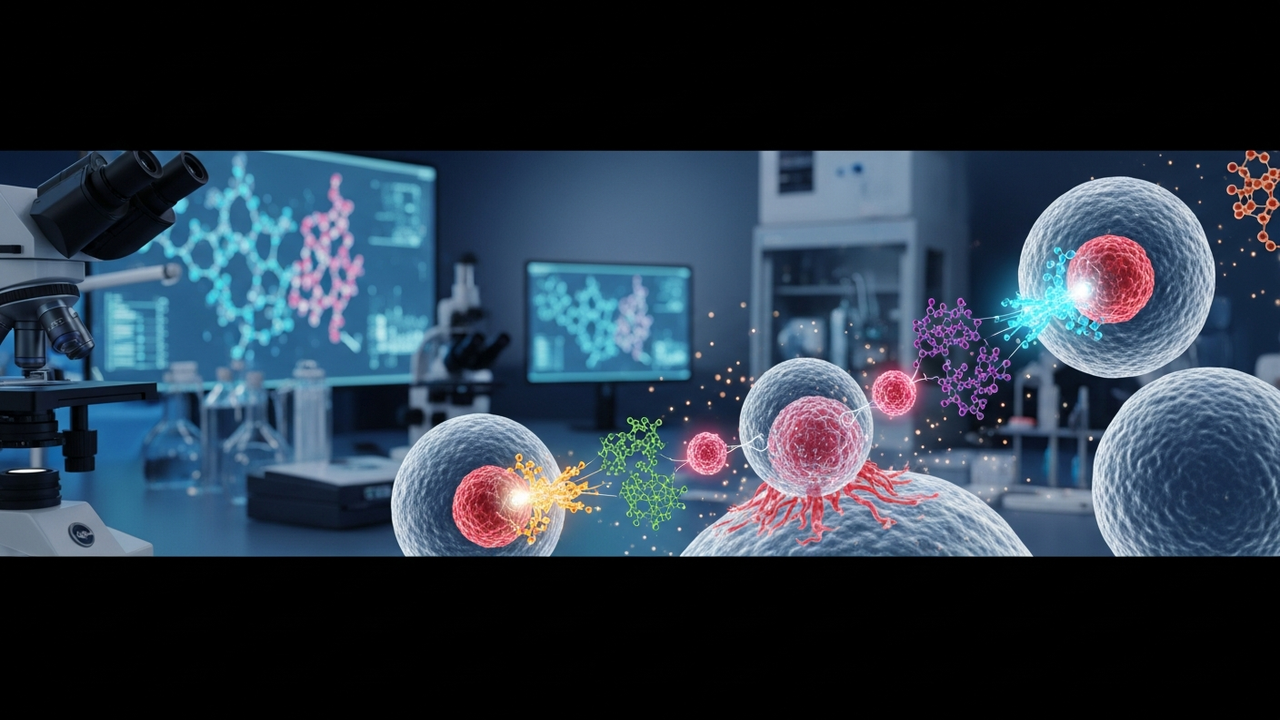
This review article provides a comprehensive analysis of siRNA nanoparticle delivery strategies and their recent progress in clinical trials, with a specific focus on cancer therapy. Nanotechnology offers a robust platform to enhance the in vivo stability of siRNA, evade biological barriers (such as enzymatic degradation in circulation and clearance by the reticuloendothelial system), and enable targeted delivery to tumor cells. The review highlights several key nanodelivery systems:
- Lipid Nanoparticles (LNPs): Building on their success in mRNA vaccine development, LNPs demonstrate high biocompatibility and efficiency for siRNA delivery. Their tunable composition allows for specific targeting of various cancer cells and effective cytoplasmic delivery of siRNA.
- Polymeric Nanoparticles: Composed of biocompatible polymers (e.g., polyethylene glycol, polylactic acid), these nanoparticles physically protect siRNA and extend its circulation time. Surface modifications can further enable tumor-specific targeting.
- Inorganic Nanoparticles: Gold nanoparticles, silica nanoparticles, and iron oxide nanoparticles are being explored as siRNA carriers. They offer high stability and the potential for dual diagnostic (imaging) and therapeutic functionalities.
- Hybrid Nanoparticles: These systems combine multiple materials (e.g., lipids with polymers, or inorganic materials with biomolecules) to synergistically leverage the advantages of each component, further enhancing delivery efficiency and specificity.
- Conjugate-siRNA Delivery Systems: This approach involves directly conjugating siRNA to specific peptides, aptamers, or antibodies for simpler, yet targeted, delivery to specific cell types.
The review details that these systems have progressed from preclinical stages, with several siRNA nanoparticle-based therapeutics showing promising results in clinical trials for solid tumors and hematological cancers. These trials aim to suppress oncogene expression, overcome drug resistance, and modulate tumor microenvironments.
Technical Significance & Outlook: siRNA Nanoparticles as a Cancer Treatment Breakthrough
siRNA nanoparticle delivery systems are poised to play a pivotal role in the future of cancer therapy. These systems have the potential to enhance therapeutic efficacy and significantly reduce systemic side effects by increasing drug stability and enabling highly specific delivery to tumors. Notably, the successful delivery of siRNA for oncogene silencing and the modulation of tumor-associated genes offers new approaches to address challenges previously intractable with conventional therapies, such as targeting cancer stem cells, combination therapies with immune checkpoint inhibitors, and overcoming drug resistance mechanisms.
Future prospects include further optimization of delivery efficiency, rigorous establishment of in vivo safety profiles, and scalable manufacturing technologies. The integration of artificial intelligence (AI) and machine learning is expected to accelerate the design of optimal nanocarriers. The advancement of siRNA nanoparticle technology will drive personalized cancer medicine, leading to groundbreaking therapeutic options that improve patient prognosis. This field’s progress stands as a concrete example of the profound impact nanotechnology is bringing to the medical domain, globally.