Background: The Imperative for Theranostics in Cancer Treatment
Cancer therapy consistently faces the critical challenge of balancing therapeutic efficacy with minimizing adverse side effects. In recent years, the concept of “Theranostics,” which combines diagnosis and therapy, has garnered significant attention. Theranostics aims to integrate imaging capabilities into drug delivery systems, allowing for real-time monitoring of drug pharmacokinetics, prediction of therapeutic efficacy, and optimization of treatment regimens. This approach promises highly personalized and precise cancer treatment, necessitating platforms capable of efficient co-delivery of both therapeutic agents and imaging probes.
Key Findings / Results: Advances in Lipid-Based Nanoparticles for Cancer Therapy
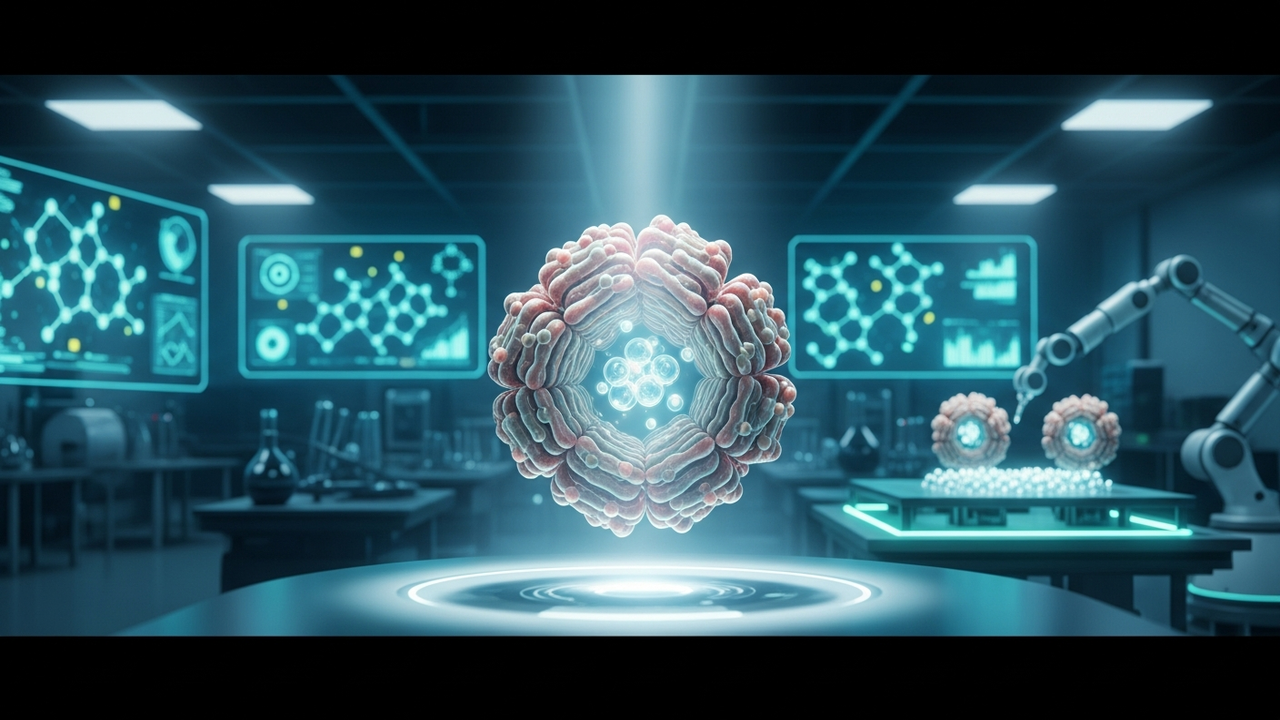
This review article, published in ACS Applied Nano Materials, underscores the latest advancements in tailored lipid-based nanoparticles (LNPs) as theranostic platforms for cancer treatment. LNPs, with their proven efficacy demonstrated in mRNA vaccines, hold immense potential in oncology due to their multifunctional capabilities.
Key advancements and characteristics of LNPs discussed in this review include:
- Integration of Therapeutic Payloads and Imaging Agents: LNPs can simultaneously encapsulate anticancer drugs, gene therapeutics (siRNA, mRNA), and various imaging agents such as MRI contrast agents or fluorescent probes within a single nanoparticle. This enables synchronous drug delivery and tumor visualization, providing real-time monitoring of therapeutic progress.
- Enhanced Drug Properties: LNPs improve the solubility of poorly water-soluble drugs, stabilize therapeutic agents in vivo, and protect them from premature degradation. This extends the systemic circulation time of drugs and enhances their efficiency in reaching target sites, often increasing drug concentration at the tumor by several fold compared to free drugs.
- Passive and Active Targeting: LNPs passively accumulate in tumor tissues through the Enhanced Permeation and Retention (EPR) effect, a phenomenon common in solid tumors due to leaky vasculature and impaired lymphatic drainage. Furthermore, conjugating specific ligands (e.g., antibodies, peptides) to the LNP surface enables active targeting, allowing specific binding to cancer cells and dramatically improving drug selectivity and reducing off-target toxicity.
- Manufacturing and Challenges: The manufacturing process for LNPs involves optimizing numerous parameters, including lipid composition, mixing ratios, and size control (typically 50-200 nm for optimal biodistribution). The review discusses major challenges for commercialization, such as LNP stability (aggregation, drug leakage), immunogenicity (biocompatibility), and the scalability of large-scale production, which require robust quality control protocols.
Technical Significance & Outlook: LNP Theranostics Shaping the Future of Cancer Care
The development of theranostic platforms using lipid-based nanoparticles holds the potential to profoundly transform cancer treatment. By integrating diagnosis and therapy, clinicians can gain real-time insights into a patient’s tumor status, enabling the formulation of optimized, individualized treatment strategies. This directly translates to maximized therapeutic efficacy and minimized side effects, accelerating the progress of personalized medicine in oncology.
Future prospects include:
- Integration with Immunotherapy: Combining LNP-mediated drug delivery with cancer immunotherapies is expected to potentiate anti-tumor immune responses, leading to more robust and durable therapeutic outcomes. For example, LNPs can deliver immune-stimulating agents or siRNA to silence immune-suppressive genes in the tumor microenvironment.
- AI-Assisted Design: Research is advancing in leveraging artificial intelligence (AI) to optimize LNP composition, structure, and surface functionalization, further enhancing delivery efficiency and specificity, reducing the experimental cycle time from years to months.
- Expansion of Clinical Applications: Successful outcomes from ongoing clinical trials are anticipated to broaden the application of LNP theranostics across various cancer types and stages of treatment, from early diagnosis to advanced metastatic disease.
These advancements are critical for improving patient prognosis and alleviating the burden of cancer treatment. LNP theranostics stands out as one of the most promising and impactful innovations nanotechnology brings to the medical field, with global implications for patient care and therapeutic development.






Comments