
Background
Diabetic Ketoacidosis (DKA) is a severe, acute complication, particularly prevalent in Type 1 diabetes, resulting from excessive ketone body production due to insulin deficiency. Characterized by rapidly rising blood glucose and ketone levels, DKA can lead to coma or death if untreated. Current diagnostics primarily rely on blood glucose measurements and urinary ketone tests; however, the latter lacks real-time capability, and blood ketone measurements are invasive. Consequently, there is an urgent need for more effective tools that enable painless, continuous monitoring of both ketone bodies and glucose.
Key Findings / Results
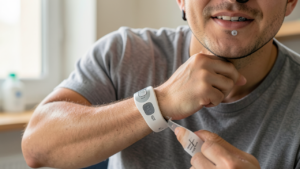
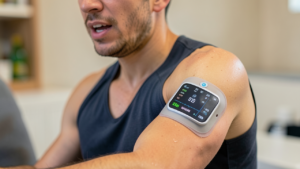
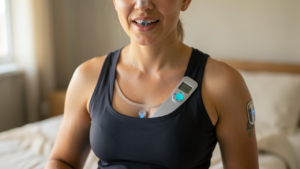
The National Institute of Diabetes and Digestive and Kidney Diseases (NIDDK) is backing the development of a microneedle sensor technology designed for simultaneous continuous monitoring of ketone and glucose, aimed at early DKA detection and management. The core of this technology is an array of enzyme-functionalized microneedles. These microneedles are painlessly inserted into the outermost layers of the skin to measure biomarkers in the interstitial fluid (ISF). The system integrates the following key components:
- Microneedle Technology: Utilizes ultra-small needles that painlessly penetrate the skin’s surface, reaching the epidermal layer where nerve endings are sparse, thereby minimizing discomfort.
- Enzymatic Functionalization: The surface of the microneedles is immobilized with enzymes specifically designed to detect glucose and β-hydroxybutyrate (BHB), the primary ketone body. Electrochemical signals generated by these enzymatic reactions are measured to quantify each biomarker’s concentration.
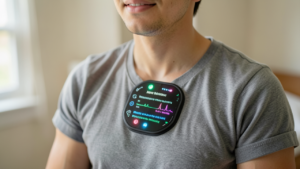
- Simultaneous and Continuous Monitoring: A single sensor system provides real-time and continuous measurements of both glucose and BHB, offering a comprehensive view of the patient’s metabolic state.
- Data Acquisition and Assessment: The collected data is wirelessly transmitted to a device, serving as crucial information for assessing DKA risk.
This integrated continuous ketone/glucose monitoring (CKM/CGM) system is currently undergoing clinical trials in Type 1 diabetes patients to validate its accuracy and reliability.
Technical Significance & Outlook
This microneedle sensor technology has the potential to profoundly transform diabetes self-management and clinical care. By serving as an early warning system for DKA, it enables patients to receive timely medical intervention before symptoms escalate, directly leading to reduced hospitalizations and fewer complications. Given the high DKA risk for Type 1 diabetes patients, this technology promises significant improvements in their quality of life. In the future, this non-invasive, continuous biosensing method could become a standard for monitoring not only diabetes but also other metabolic conditions and general health. This advancement contributes to the realization of more personalized and proactive healthcare, aligning with global trends in preventive medicine and remote patient monitoring.


Comments