Key Findings
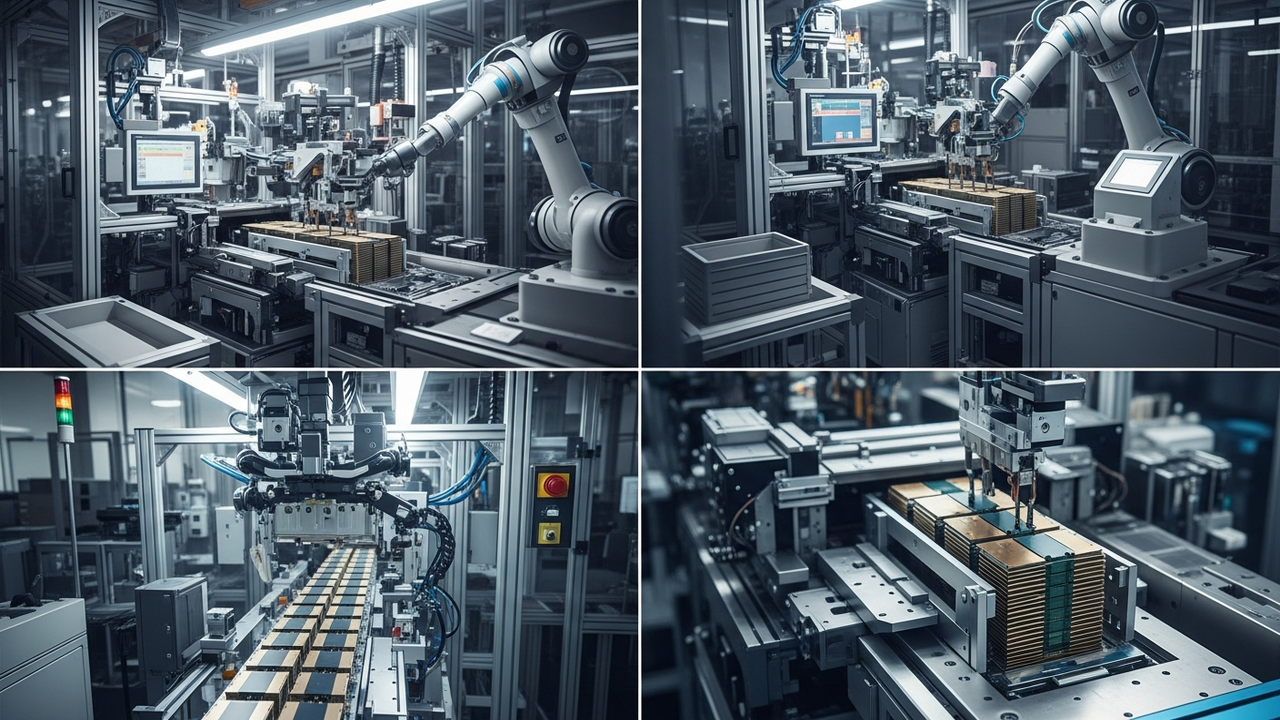
The persistent shortage of High Bandwidth Memory (HBM) required for the explosive growth of AI demand is primarily exacerbated by the technical complexities of HBM stack manufacturing and the constrained supply of specialized production equipment. Specifically, HBM stacks utilizing Through Silicon Vias (TSV) necessitate extremely high-precision bonding equipment, and the industry faces a significant challenge due to low yield tolerance. With only a limited number of vendors capable of manufacturing these specialized tools, particularly multi-layer bonders, leading supplier HANMI reportedly faces a prolonged 12-month backlog, severely impeding the expansion of HBM production capacity. Consequently, advanced packaging has emerged as the most critical bottleneck in the AI semiconductor supply chain, with HBM supply shortages projected to continue until at least 2027.
Technical / Clinical Details
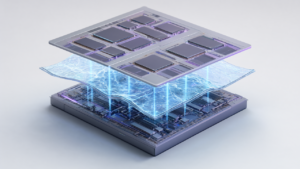
HBM stacks are prime examples of 3D packaging technology, involving the vertical stacking of multiple DRAM dies and their electrical interconnection via TSVs. The TSV process includes highly precise steps such as creating minute holes in the dies and filling them with copper to form electrical pathways. Subsequent die-to-die bonding employs micro-bump or hybrid bonding techniques, which demand nanometer-level precision. Even minor misalignments in these stages can significantly impact overall yields, making process optimization and stringent quality control paramount throughout manufacturing. High-precision bonding equipment must accurately align multiple dies and simultaneously bond microscopic bumps. The development and manufacturing of such sophisticated equipment are time-consuming and costly, limiting the number of manufacturers capable of supplying the market. While TSMC’s CoWoS (Chip-on-Wafer-on-Substrate) technology is crucial for HBM integration, even with a target of a 25% capacity increase by the end of 2026, AI demand growth is outpacing this expansion, creating bottlenecks at the final packaging stage.
Background & Context
The evolution of AI technology demands not only greater computational power from CPUs and GPUs but also a dramatic increase in memory bandwidth. HBM was developed to meet this demand, becoming an indispensable component for AI accelerators. However, HBM manufacturing relies on the fusion of multiple cutting-edge technologies—DRAM chip miniaturization, TSV technology, and advanced packaging—and this complexity is the fundamental cause of the supply shortage. Major memory manufacturers (SK Hynix, Samsung, Micron) are making massive investments in HBM production capacity expansion, but the shortage of specialized manufacturing equipment hinders overall scaling. The prolonged backlogs at equipment manufacturers mean that the benefits of memory manufacturers’ investments appear only with a time lag, contributing to the prolonged HBM supply shortage.
Strategic Significance & Outlook
The HBM supply shortage is a critical issue that directly impacts the growth rate and technological innovation of the entire AI industry. Projections that supply will not meet demand until 2027 imply higher AI chip prices, delays in AI hardware deployment, and constraints on AI infrastructure investment plans. Addressing this challenge requires closer collaboration and investment coordination among memory manufacturers, packaging providers, and manufacturing equipment suppliers. Equipment manufacturers need to increase their production capacity, while memory manufacturers must focus on yield improvement and explore alternative technologies. Furthermore, AI chip designs may need to adopt approaches that optimize HBM dependence. Stabilizing HBM supply is an absolute prerequisite for AI to achieve its next breakthroughs and achieve widespread societal adoption.
Source: https://www.aicerts.ai/news/hbm-supply-crunch-why-ai-memory-shortage-lasts-until-2027/
Get our weekly technology intelligence — free
Receive an infographic that lets you judge at a glance whether each field’s analysis report is worth reading.
Subscribe Free — Weekly Tech Intelligence
By subscribing, you’ll receive Troy-Technical’s weekly technology intelligence newsletter.
- Your email and selected fields are used only to deliver the newsletter.
- We never share your information with third parties.
- You can unsubscribe anytime via the link in each email.
See our Privacy Policy for details.
Takes about a minute · Unsubscribe anytime