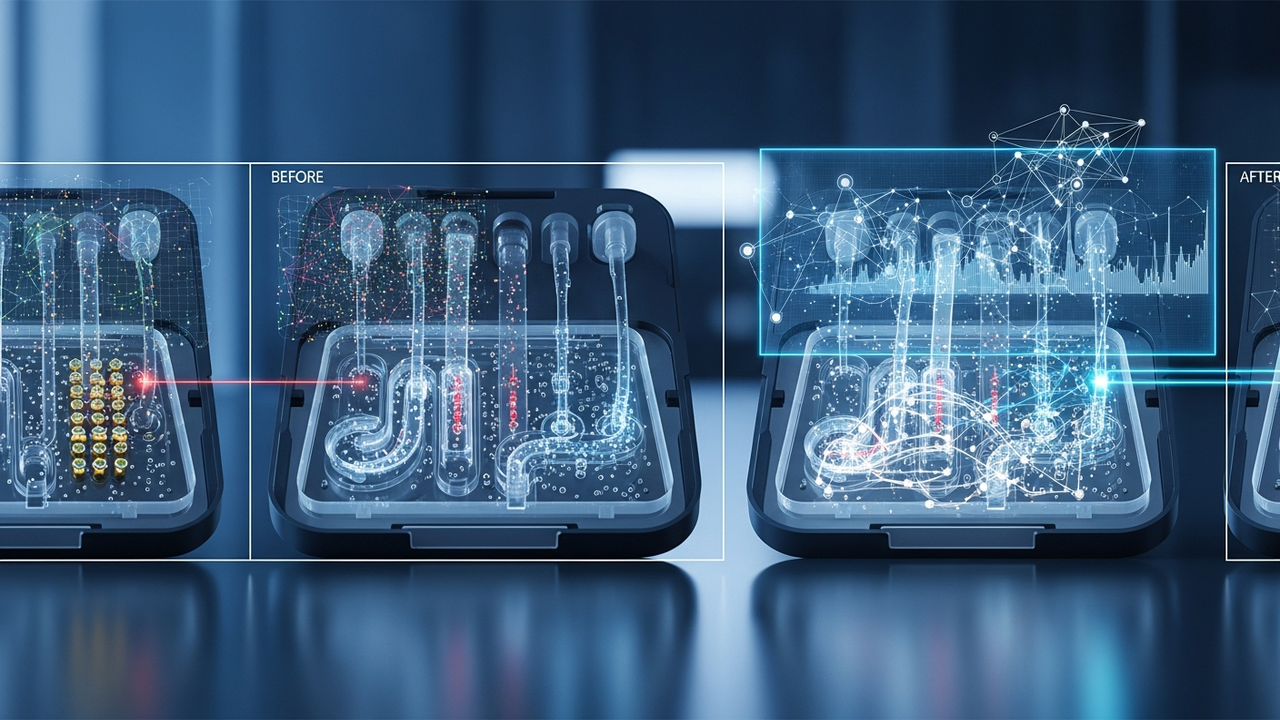
Background: Development and Challenges in Nano-Biosensor Diagnostics
Nano-biosensor diagnostics hold the potential to revolutionize various fields, including medical diagnosis, environmental monitoring, and food safety. The development of multi-analyte nano-biosensors, capable of simultaneously detecting multiple biomarkers with high sensitivity and specificity from minute samples, is particularly crucial for realizing precision medicine. However, challenges such as the physical limitations of sensor materials, the complexity of detection mechanisms, and manufacturing variability have hindered their widespread practical application. This correction article focuses on these challenges and solutions through the integration of microfluidics and AI.
Enhanced Diagnostics Through Integration of Microfluidics and AI
Microfluidic technology enables the automation of complex analytical processes on a small chip using very small sample volumes (nanoliters to microliters). This results in rapid reactions, reduced reagent consumption, and minimized contamination risks. In multi-analyte nano-biosensor diagnostics, placing sensors with different recognition elements within microfluidic channels improves the efficiency of detecting multiple biomarkers simultaneously. Furthermore, the integration of Artificial Intelligence (AI) is indispensable for extracting reliable diagnostic information from the vast amounts of data generated by sensors, especially from complex multi-analyte signals. This article emphasizes how AI architectures like Convolutional Neural Networks (CNNs), Long Short-Term Memory (LSTM) networks, transfer learning, and ensemble methods are critical for addressing practical challenges such as sensor drift (performance changes over time) and manufacturing variability.
Application to Wearable Biosensors and Future Outlook
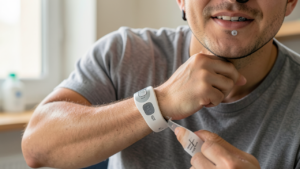
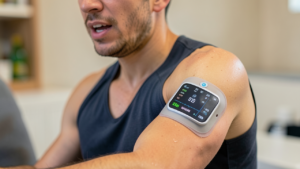
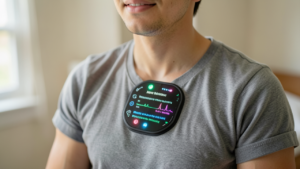
This multi-analyte nano-biosensor technology, integrating microfluidics and AI, also holds significant potential in the field of wearable biosensors. Wearable devices enable continuous biomarker monitoring but face challenges in terms of stability and signal recovery during long-term use. This article states that regenerative sensing methods, using electrochemical or optical cleaning, can extend sensor lifespan, reduce costs, and enable continuous personalized monitoring. AI also plays a role in optimizing regeneration processes and compensating for sensor changes over time. In the future, these advancements are expected to accelerate the ultra-early detection of diseases, personalized health management, and the realization of ubiquitous health monitoring systems.



Comments