Key Findings
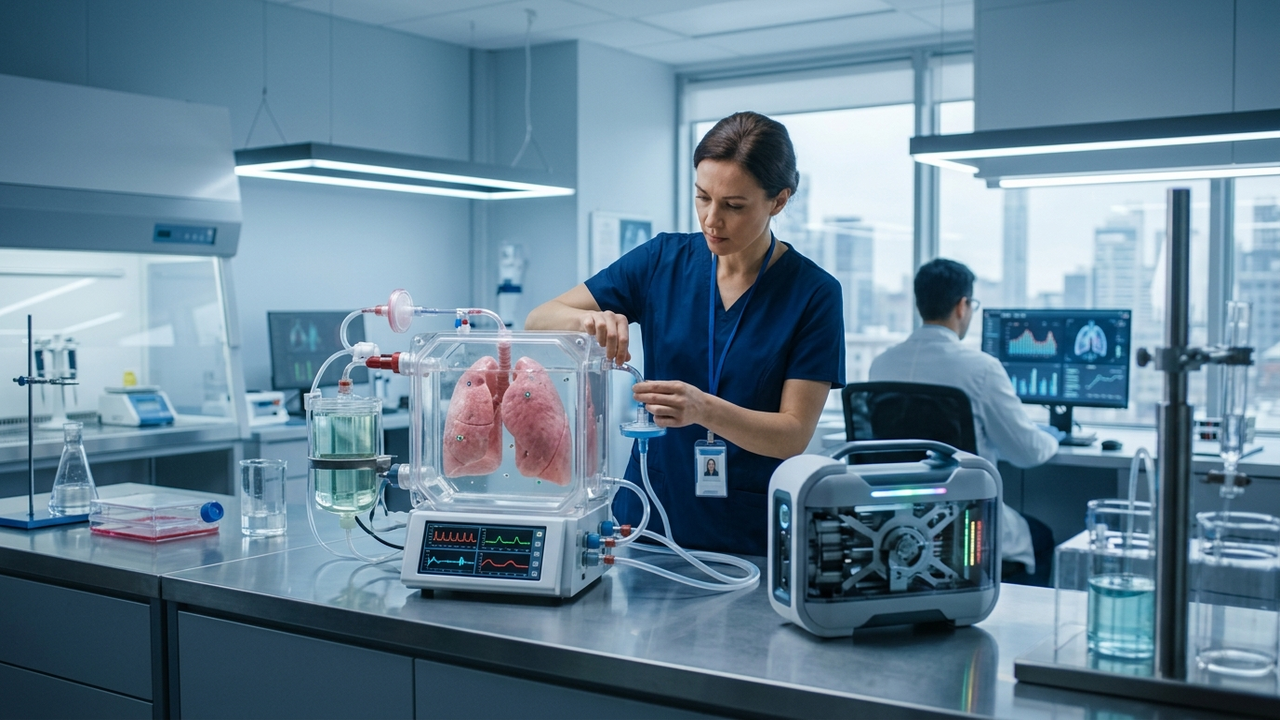
On September 10, 2026, Beyond Air announced that its LungFit GO device, designed to treat nontuberculous mycobacterial (NTM) pulmonary disease, received Breakthrough Device Designation from the U.S. Food and Drug Administration (FDA). This designation is intended to accelerate the development and review process for medical devices that provide more effective treatment or diagnosis for life-threatening or irreversibly debilitating diseases. The article also notes that researchers are developing new technologies to simplify biosensor manufacturing, which could enhance production capacity for medical research and specialized clinics, potentially leading to better identification of suitable donor organs for transplantation.
Technical / Clinical Details
Beyond Air’s LungFit GO device is designed to deliver inhaled nitric oxide (iNO) therapy in home or non-hospital settings. iNO is believed to exert anti-inflammatory and antimicrobial effects in respiratory conditions like NTM pulmonary disease. The FDA’s Breakthrough Device Designation suggests that this device has the potential to significantly improve treatment outcomes for NTM pulmonary disease patients compared to existing therapies. Concurrently, research into simplifying biosensor manufacturing seeks more rapid and cost-effective approaches to current complex, multi-step production methods. This includes combining technologies such as 3D printing, microfluidics, and novel material development to substantially increase sensor output. These simplified manufacturing methods hold the potential to increase the supply of diagnostic biosensors, particularly for rapid and objective assessment of donor organ (e.g., lungs) viability and compatibility, thereby improving selection criteria in organ transplantation.
Background & Context
Nontuberculous mycobacterial (NTM) pulmonary disease is a chronic respiratory infection that is challenging to diagnose and treat, with limited existing therapeutic options. Innovative devices like LungFit GO could therefore significantly contribute to improving patients’ quality of life and treatment outcomes. The FDA’s Breakthrough Device Designation reflects the regulatory body’s proactive stance towards technologies addressing such unmet medical needs. In the field of organ transplantation, the shortage of compatible donor organs remains a critical issue, and the ability to accurately assess the quality of donated organs is paramount for improving transplantation success rates. Streamlining biosensor manufacturing provides a foundation for standardizing this assessment process, making more organs safely available for use.
Strategic Significance & Outlook
Beyond Air’s LungFit GO device is expected to reach the market earlier through the FDA’s expedited review pathway. This will likely change the landscape of NTM pulmonary disease treatment, offering more accessible and effective therapies. Simultaneously, advancements in biosensor manufacturing technology will have a profound impact on medical diagnostics in general, especially in quality control and compatibility assessment for organ transplantation. The advent of cheaper, mass-producible biosensors will facilitate the widespread adoption of diagnostic tools and research instruments, also contributing to the advancement of personalized medicine. These technological innovations are complementary, working together to improve patient care and healthcare system efficiency, and potentially increasing donor organ utilization rates to save more lives of patients awaiting transplantation.
Get our weekly technology intelligence — free
Receive an infographic that lets you judge at a glance whether each field’s analysis report is worth reading.
Subscribe Free — Weekly Tech Intelligence
By subscribing, you’ll receive Troy-Technical’s weekly technology intelligence newsletter.
- Your email and selected fields are used only to deliver the newsletter.
- We never share your information with third parties.
- You can unsubscribe anytime via the link in each email.
See our Privacy Policy for details.
Takes about a minute · Unsubscribe anytime







Comments