Background
The advancement of quantum computing fundamentally relies on a robust manufacturing infrastructure capable of reliably supplying high-performance quantum chips. Historically, quantum chip fabrication has largely depended on proprietary in-house processes, posing challenges for large-scale production and standardization. The U.S. government, through the CHIPS and Science Act, has outlined a strategy to bolster domestic semiconductor manufacturing capabilities and secure leadership in strategically vital emerging technology sectors. The establishment of a dedicated quantum foundry is a cornerstone of this initiative.
Key Findings / Results
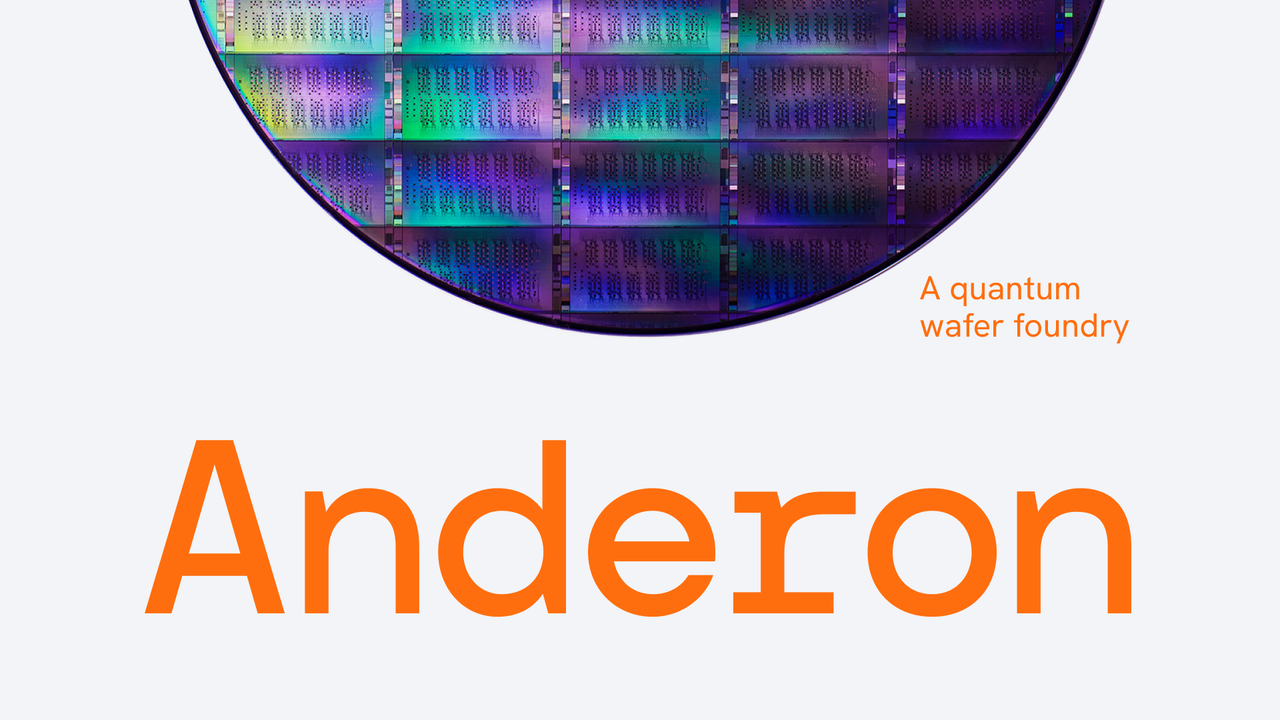
IBM, in collaboration with the U.S. Department of Commerce, has announced plans for “Anderon,” the first quantum-dedicated foundry in the United States. This ambitious project is slated to receive up to $1 billion in federal funding under the CHIPS Act. The Anderon foundry will specialize in the production of quantum-grade superconducting wafers, aiming to manufacture substrates for quantum chips with stringent quality standards and high reproducibility. Critically, this facility is designed not only to support IBM’s internal quantum computing development but also to provide manufacturing services to multiple external quantum technology vendors, thereby fostering an open and collaborative ecosystem.
Superconducting qubits, known for their scalability and relatively long coherence times, are widely adopted in current quantum computing research. The foundry will focus on establishing advanced, highly uniform wafer manufacturing techniques essential for maximizing the performance of these superconducting qubits.
Technical Significance & Outlook
The establishment of the Anderon foundry marks a pivotal step for the U.S. quantum computing ecosystem. Firstly, it will create a stable, high-quality domestic manufacturing base for quantum chips, mitigating supply chain risks and enhancing technological self-reliance. Secondly, by offering manufacturing services to a diverse range of vendors, it is expected to stimulate varied research and development across quantum technologies, accelerating overall industry innovation. This infrastructure will significantly advance hardware development towards the realization of large-scale, error-correctable quantum computers. Leveraging IBM’s extensive expertise in semiconductor manufacturing and quantum computing, this foundry is poised to become an indispensable infrastructure as quantum computing transitions from a research-intensive field to one with broad industrial applications.








Comments