Background
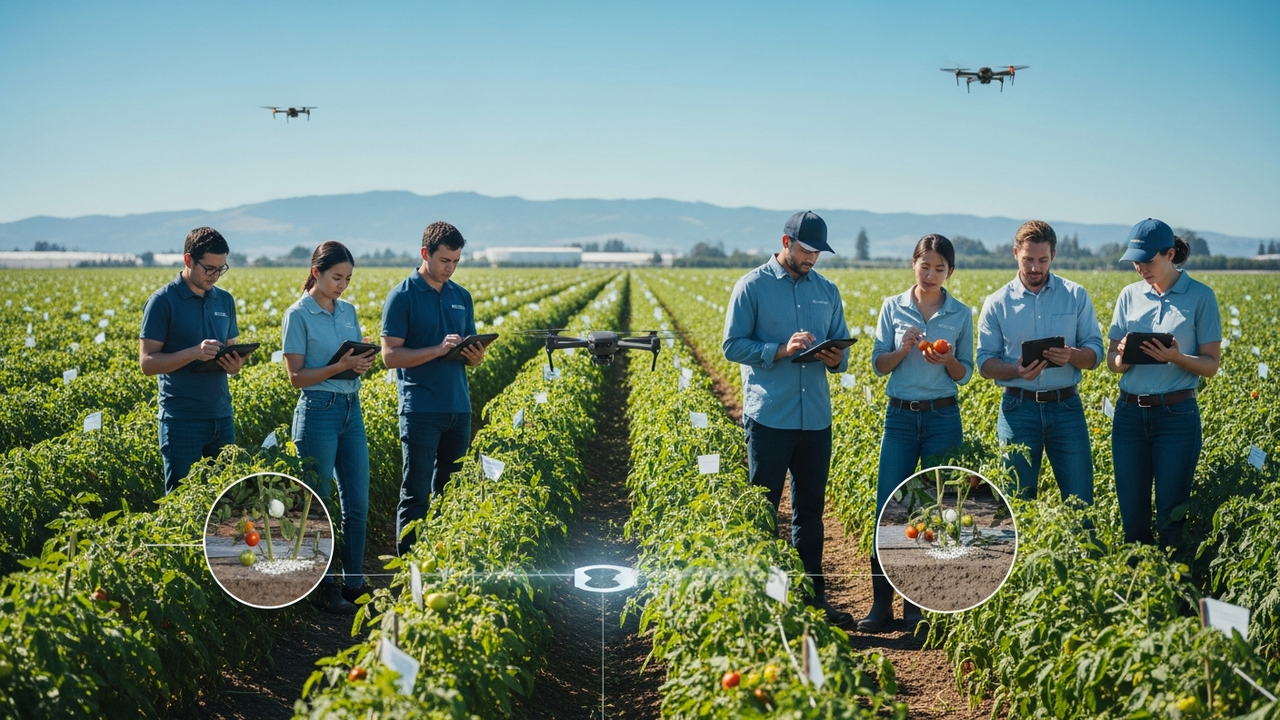
Kanematsu Corporation, EF Polymer, and Morning Star Packing (MSP), a leading U.S. processing tomato producer, have commenced large-scale field trials of EF Polymer’s natural-derived polymer in California’s processing tomato production. This strategic partnership seeks to evaluate innovative technological solutions for establishing a sustainable tomato production and supply system, specifically addressing escalating water scarcity and broader environmental challenges in agriculture. Global agriculture faces complex challenges, including climate change, depletion of water resources, and soil degradation. California, despite being the largest agricultural state in the U.S., is frequently plagued by severe droughts. The processing tomato industry, due to its scale, consumes significant volumes of water, making sustainable water management an urgent priority. Kanematsu, leveraging its global network and business development capabilities as a trading company, is instrumental in disseminating EF Polymer’s innovative technology worldwide. Collaboration with MSP marks a crucial step toward the practical implementation of this technology in large-scale agriculture, with EF Polymer’s technology holding significant potential to enhance efficient water resource utilization and substantially reduce the environmental footprint of agricultural practices.
Key Findings
EF Polymer’s natural-derived polymer is a superabsorbent polymer primarily designed for agricultural applications, with its innovation rooted in the following characteristics:
- Water Absorption & Retention: When integrated into soil, the polymer efficiently absorbs rainfall and irrigation water, retaining moisture over extended periods. This mitigates drought stress for plants, thereby reducing irrigation frequency and overall water consumption.
- Biodegradability: Unlike conventional synthetic superabsorbent polymers, EF Polymer’s natural origin ensures complete biodegradation by microorganisms present in the soil. This enables sustainable application without concerns of soil contamination or degradation of soil health.
- Nutrient Retention: Beyond water, the polymer also exhibits the capacity to retain essential nutrients, such as fertilizers. This property actively suppresses nutrient runoff, contributing to highly efficient fertilization, optimizing fertilizer use, and significantly mitigating the risk of groundwater pollution.
- Crop Yield Enhancement: By ensuring a stable and consistent supply of water and nutrients directly to the root zone, the polymer is expected to foster robust crop growth, leading to tangible improvements in both crop yield and quality.
These large-scale field trials, conducted across MSP’s vast tomato fields under actual cultivation conditions, will meticulously evaluate the polymer’s effects on water consumption reduction, impact on crop yield, and changes in soil conditions. Given California’s chronic water scarcity, such water-saving technologies are critically important. The success of these field trials holds the potential to significantly enhance agricultural sustainability not only in California but also in water-stressed regions globally. By substantially reducing water usage, maintaining soil health, and stabilizing crop yields, the technology contributes to both food security and environmental protection. For investors, it offers an opportunity to invest in innovative sustainability solutions within the AgriTech sector. For researchers and engineers, it will stimulate new R&D at the intersection of biopolymers and smart agriculture. This partnership is poised to become an important model for building the future of sustainable food production systems.
Source: https://www.kanematsu.co.jp/en/press/release/20260716_release
Get our weekly technology intelligence — free
Receive an infographic that lets you judge at a glance whether each field’s analysis report is worth reading.
Subscribe Free — Weekly Tech Intelligence
By subscribing, you’ll receive Troy-Technical’s weekly technology intelligence newsletter.
- Your email and selected fields are used only to deliver the newsletter.
- We never share your information with third parties.
- You can unsubscribe anytime via the link in each email.
See our Privacy Policy for details.
Takes about a minute · Unsubscribe anytime








Comments