Key Findings
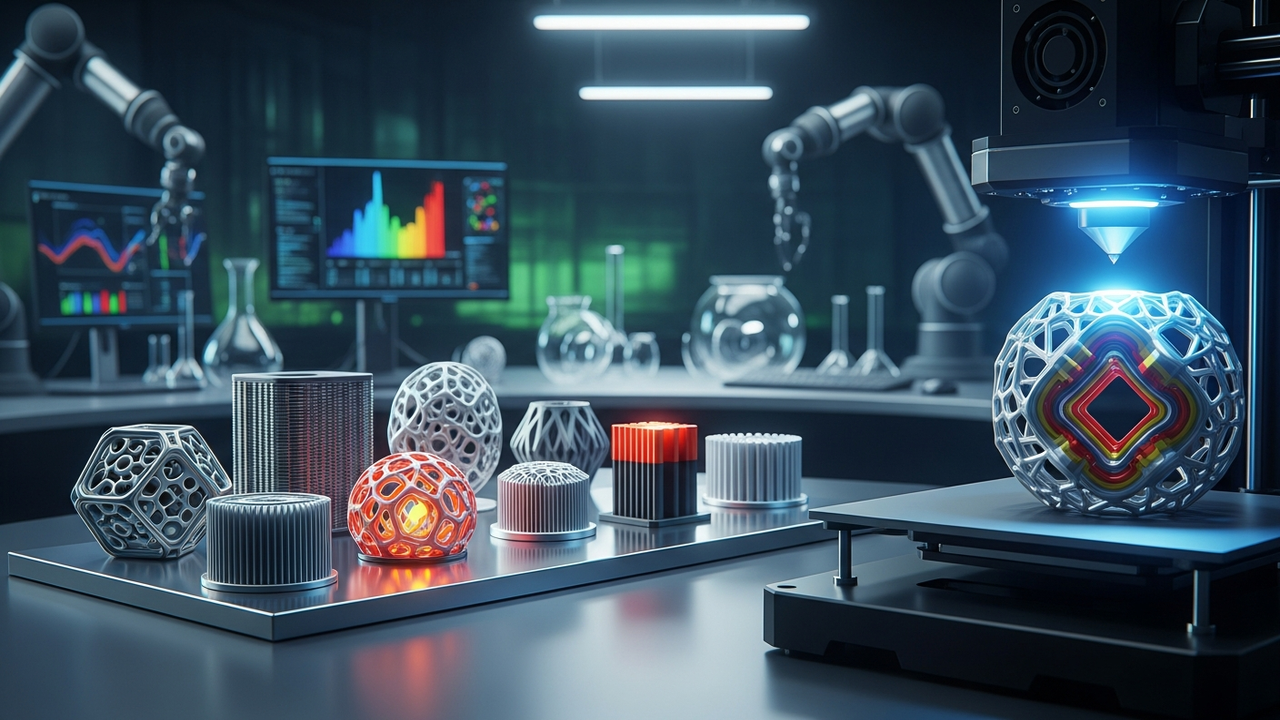
This research investigates the latest trends in additive manufacturing (AM) for thermoelectric (TE) devices, emphasizing its profound impact on materials selection, synthesis methods, and device fabrication. The study highlights how AM capabilities enable the creation of TE units with intricate geometries, including hollow and layered structures, which significantly enhance temperature gradients and boost power density compared to conventionally manufactured designs. This newfound ability to customize geometries through AM offers unprecedented opportunities to drastically improve the performance of TE materials and devices, particularly for crucial waste-heat recovery applications in the automotive, industrial, and wearable sectors.
Technical / Clinical Details
- Advantages of Additive Manufacturing: AM, or 3D printing, offers unparalleled design freedom compared to traditional subtractive or molding processes. It allows for the optimal placement of materials and independent control over thermal and electrical conduction pathways, which is critical for maximizing TE material efficiency.
- Complex Geometrical Structures: The study emphasizes the effectiveness of AM in fabricating TE units with hollow and multi-layered internal structures. Hollow designs create effective barriers to heat flow, thereby increasing the temperature difference across the thermoelectric elements. Layered structures enable the precise integration of different TE materials, each optimized for specific temperature ranges, leading to improved overall device efficiency.
- Enhanced Temperature Gradients and Power Density: TE device performance is directly proportional to the temperature difference they can sustain. AM-designed complex structures facilitate larger temperature gradients within the material, maximizing the voltage generated via the Seebeck effect. This leads to higher power output per unit volume, enabling the development of compact and powerful TE generators.
- Material and Synthesis Innovations: The research also discusses the development of novel TE material inks and filaments suitable for AM, along with the optimization of AM processes to fully exploit the unique properties of these advanced materials.
Background & Context
The global imperative for improved energy efficiency and waste heat recovery is driving intense research into TE technologies as clean and sustainable power generation solutions. A significant potential lies in harnessing low-grade heat, such as automotive exhaust, industrial waste heat, and even body heat, which has historically been unutilized. The evolution of AM technology breaks through the design and manufacturing constraints of conventional TE devices, opening new avenues for substantial improvements in performance and efficiency.
Strategic Significance & Outlook
These emerging trends in AM for TE devices are set to have a transformative impact on waste heat recovery systems. Key application areas include:
- Automotive Industry: Highly efficient exhaust heat recovery systems can improve fuel economy and extend the range of electric vehicles.
- Industrial Applications: Recovering electricity from high-temperature waste heat sources in steel mills, glass factories, and other industrial settings, leading to significant energy cost reductions.
- Wearable Devices: The creation of miniature and flexible TE generators that can power autonomous wearable sensors using body heat.
The customizable geometries and material design freedom offered by AM are crucial for unlocking the full potential of thermoelectric materials, accelerating the advent of more efficient and practical energy conversion devices. This will contribute significantly to reducing global energy consumption and achieving a sustainable future.





Comments