Key Findings
Researchers have developed an innovative dual-autonomous self-healing composite coating for steel by grafting urea-functionalized polysiloxane silica sol (Urea-SI) onto an acrylic resin backbone. This cutting-edge material features a nanoscale dispersion of a silicone-based healing agent and a reversible hydrogen-bonding network that self-repairs without external stimuli. The coating has demonstrated stable barrier performance in challenging saline environments and repeatable self-healing, promising significantly improved scalability and long-term stability for anticorrosive applications in demanding marine and industrial settings.
Technical / Clinical Details
- Dual Self-Healing Mechanism: The coating employs two synergistic self-healing mechanisms. First, a silicone-based healing agent, dispersed at the nanoscale, is released to fill cracks and restore the barrier. Second, a dynamic and reversible hydrogen-bonding network, formed by the urea functional groups, enables the re-formation of broken polymer chains, effectively mending the coating matrix.
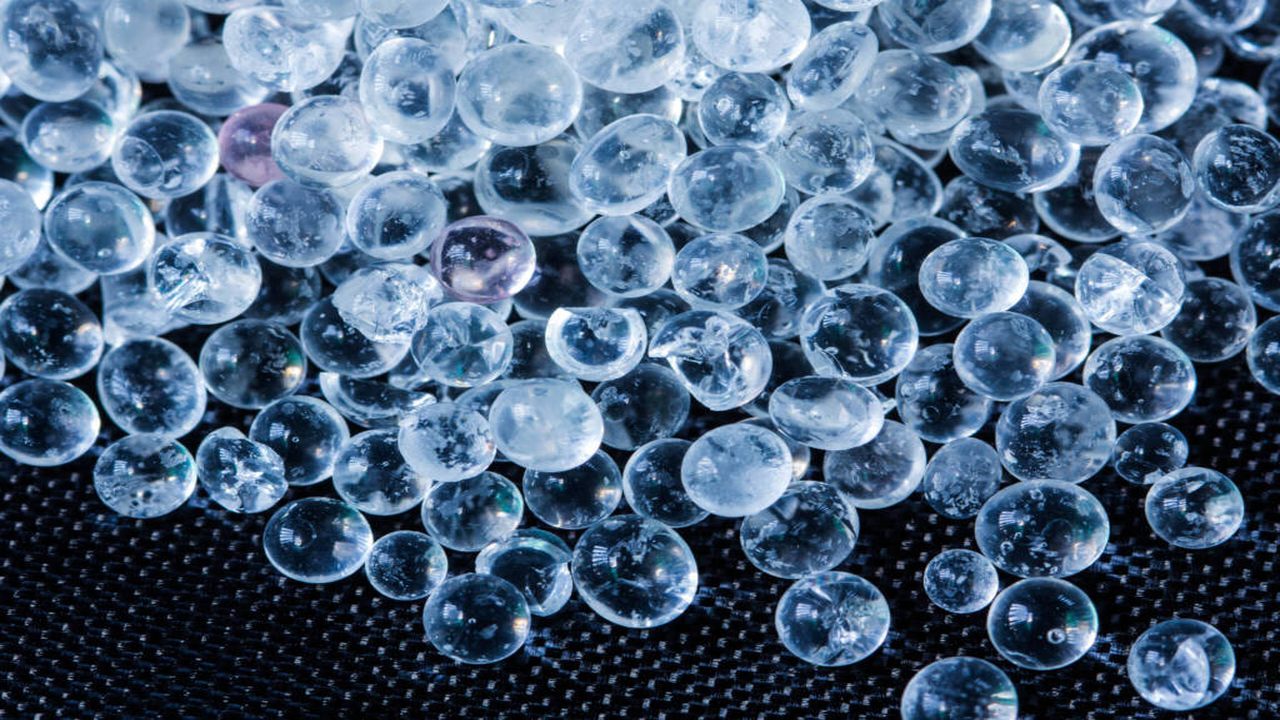
- Urea-Functionalized Polysiloxane Silica Sol (Urea-SI): Urea-SI is crucial for encapsulating and dispersing the healing agent efficiently. Its polysiloxane backbone provides excellent hydrophobicity and weather resistance, while the silica sol components contribute to mechanical strength and enhanced barrier properties.
- Grafting onto Acrylic Resin: By grafting Urea-SI onto an acrylic resin backbone, the healing agent is uniformly distributed throughout the coating, and its adhesion to the steel substrate is optimized. This ensures rapid and effective delivery of the healing agent to damage sites.
- Autonomous and Repeatable Healing: A significant advantage of this system is its ability to self-heal autonomously, without requiring external triggers such as heat, light, or specific chemicals. Furthermore, its healing capability is maintained even after multiple damage-repair cycles, greatly extending the coating’s functional lifespan.
- Stability in Saline Environments: The demonstrated stable barrier performance in saline environments is critical for real-world applications, as marine and many industrial settings are highly corrosive. This validates the coating’s robustness for demanding conditions.
Background & Context
Corrosion of steel structures is a pervasive and costly problem, leading to substantial economic losses and safety hazards in infrastructure, maritime transport, and industrial facilities globally. Traditional anticorrosive coatings lose their protective barrier function once damaged, even by micro-cracks, leading to accelerated corrosion. Self-healing coatings offer a promising solution to extend material lifespan and reduce maintenance costs, but many existing approaches are limited by the need for external triggers or by suboptimal healing efficiency and repeatability. This research addresses these limitations with a highly practical solution.
Strategic Significance & Outlook
This dual-autonomous self-healing steel coating holds transformative potential for industries where corrosion is a constant threat, including marine vessels and offshore platforms, oil and gas pipelines, bridges, and automotive components. The autonomous nature of the healing process, without external stimuli, is a major enabler for practical implementation. This technology promises to dramatically reduce the frequency and cost of maintenance for steel structures, enhance their safety and durability, and contribute significantly to sustainable industrial practices. With demonstrated long-term stability and scalability, this coating is poised to become an indispensable technology for constructing resilient and environmentally responsible industrial infrastructure in the future.



Comments