Key Findings
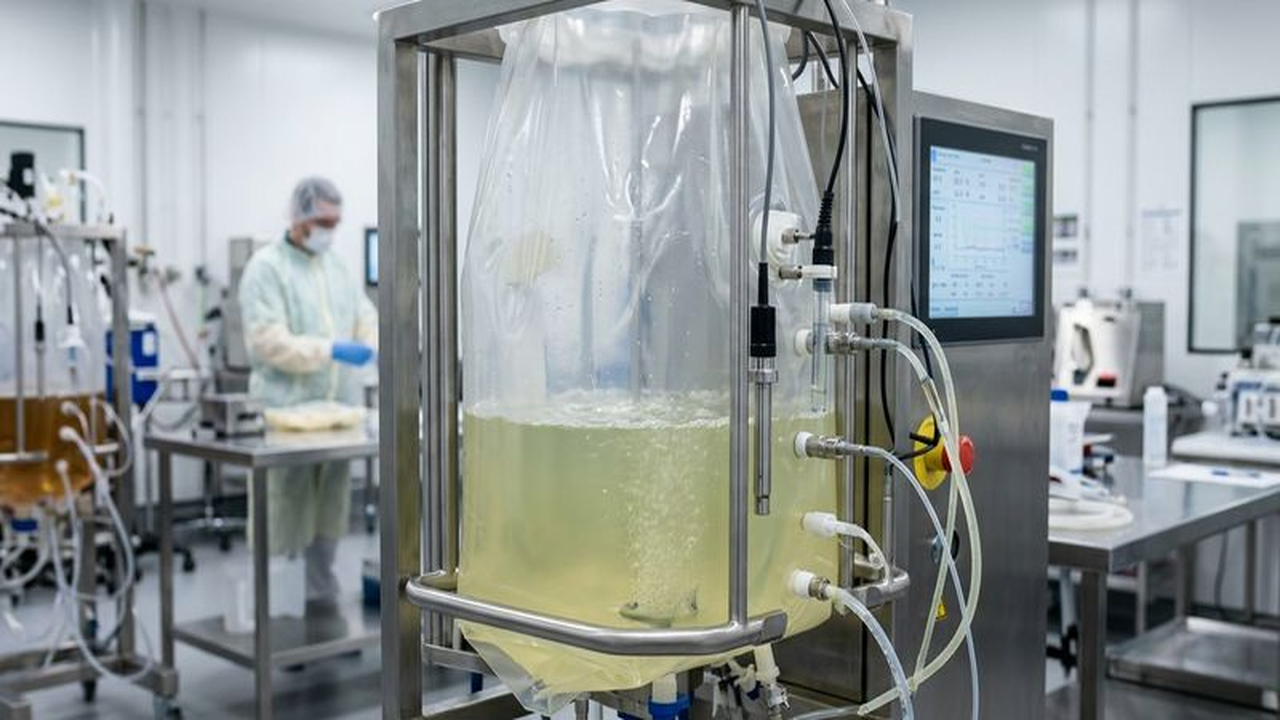
In high-density perfusion systems, the ‘turndown ratio’ of bioreactors is proving to have a transformative impact on N-1 perfusion programs. Bioreactors capable of achieving a turndown ratio of 10:1 or greater enable the seamless execution of both seed culture and production culture within the same vessel. This eliminates the need for a dedicated N-1 seed bioreactor, leading to a significant reduction in facility start-up times and a streamlined biomanufacturing process.
Technical / Clinical Details
The turndown ratio refers to the ratio of the maximum to minimum operating volumes at which a bioreactor can function stably and efficiently. For example, a 1000L bioreactor with a 10:1 turndown ratio can operate effectively from 100L to 1000L. In an N-1 perfusion program, seed culture is initially performed within the bioreactor, raising cell density to very high levels (e.g., over 100 million cells/mL). Subsequently, the process transitions to production culture within the same bioreactor, directly introducing these high-density cells into the production phase. This ‘N-1 in the same vessel’ approach reduces the time, space, and labor associated with seed trains and minimizes the risk of contamination. This technology is particularly valuable in process intensification strategies, as it is key to achieving higher inoculation densities with smaller seed trains.
Background & Context
The biopharmaceutical manufacturing industry consistently faces challenges related to improving cost-efficiency, shortening production lead times, and enhancing process flexibility. High-density perfusion culture has been widely adopted as a critical technology to address these issues. The N-1 perfusion concept aims to maximize upstream efficiency and reduce the overall manufacturing process footprint. Improvements in turndown ratios provide the physical and engineering foundation to achieve this goal, proving most valuable in scenarios requiring small-batch, high-variety production, such as orphan drugs and personalized medicine.
Strategic Significance & Outlook
The evolution of bioreactor turndown ratio technology will significantly influence the design and operation of future biomanufacturing facilities. It promises optimized capital expenditure, reduced changeover times between production batches, and lower overall operational costs. Investors should pay attention to the long-term efficiency and flexibility this technology offers, while bioprocess engineers will find their expertise increasingly vital in designing and integrating high-density perfusion systems with optimal turndown ratio bioreactors. Ultimately, this advancement is expected to contribute to faster market entry of medicines and improved patient access.
Source: https://www.drugdiscoverynews.com/evaluating-turndown-ratios-in-high-density-perfusion-17216








Comments