Key Findings
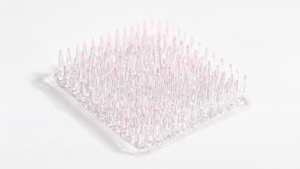
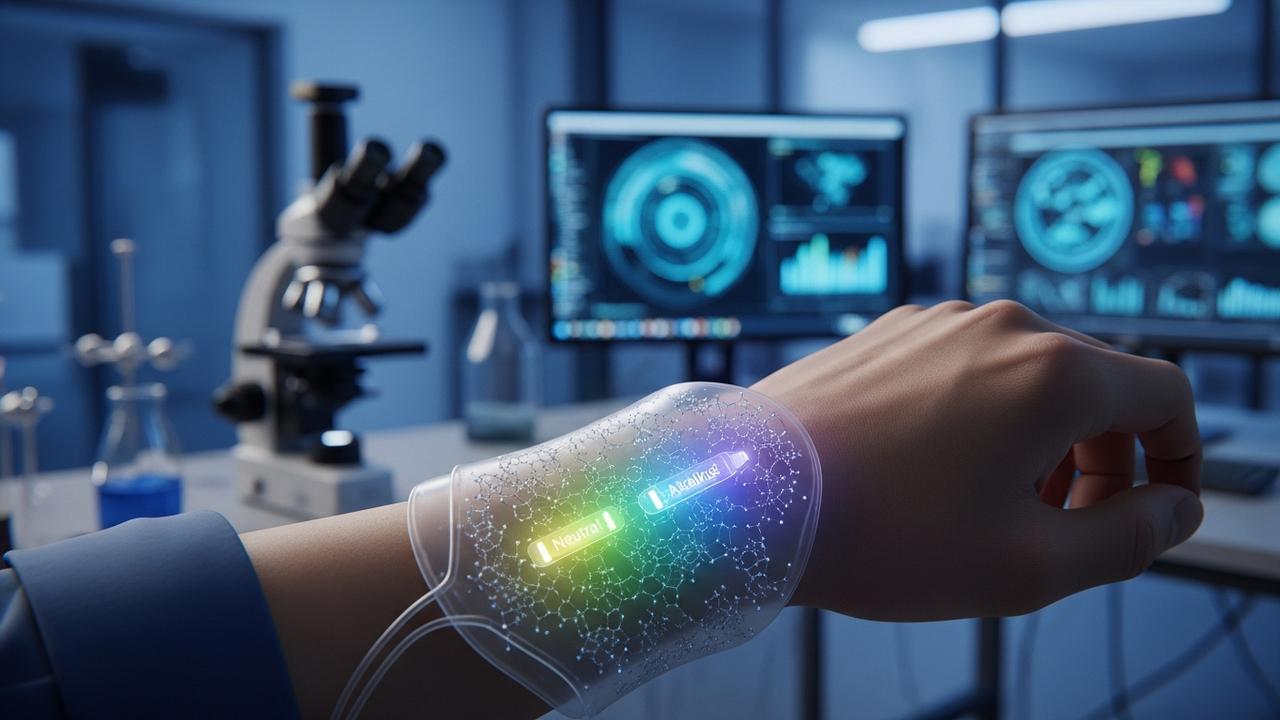
A recent review article highlights groundbreaking progress in hydrogel-based sensors, emphasizing how their electrical, mechanical, and sensing performances have been dramatically enhanced by incorporating various nanomaterials such as graphene, metal nanoparticles, and MXene. A notable achievement is the development of a wearable conductive hydrogel microneedle pH meter, which demonstrated real-time, in vivo monitoring of interstitial fluid pH. This device achieved an impressive 93% accuracy when compared to commercially available probes, showcasing its potential to combine diagnostic precision with patient comfort.
Technical and Clinical Details
Hydrogels, due to their high biocompatibility and flexibility, are gaining significant attention as foundational materials for biosensors. The introduction of nanomaterials fundamentally improves the hydrogel’s conductivity, expands the sensing surface area, and strengthens the interaction with target analytes. For instance, graphene provides high conductivity and surface area, metal nanoparticles contribute catalytic activity and signal amplification, and MXene offers superior mechanical strength and conductivity. The developed microneedle pH meter, utilizing these enhancements, can painlessly penetrate the skin with extremely small needles to continuously measure pH levels in interstitial fluid. As pH is a crucial biomarker for inflammation and metabolic status, this highly accurate real-time monitoring could revolutionize early disease detection and the tracking of disease progression.
Background and Industry Context
Amidst growing demand for wearable and implantable sensors, accurate and non-invasive (or minimally invasive) measurement of biomarkers in biofluids remains a critical challenge in healthcare. The improved performance of hydrogel-based sensors addresses the biocompatibility and flexibility issues inherent in traditional rigid sensors, enabling more comfortable and long-term monitoring solutions. Particularly, the combination with microneedle technology allows direct access to interstitial fluid without invasive procedures like blood draws, opening up diverse applications such as glucose monitoring for diabetic patients and electrolyte balance monitoring for athletes.
Strategic Significance and Outlook
Nanomaterial-integrated hydrogel-based sensors are expected to play a central role in advancing personalized medicine. Future developments will likely include multi-functional sensors capable of simultaneously detecting multiple biomarkers beyond pH (e.g., glucose, lactate, electrolytes) and the creation of disease prediction and management systems integrated with AI-driven data analysis. For commercialization, key challenges will involve ensuring long-term stability, reducing manufacturing costs, and navigating regulatory approval processes. Nevertheless, this technology holds the potential to transform all aspects of diagnosis, treatment monitoring, and preventive healthcare.